Choosing the right outdoor flooring can make a major difference in how comfortable, durable, and attractive your backyard feels. In El Paso, outdoor surfaces need to handle strong sunlight, high temperatures, dust, changing weather conditions, and frequent exposure to the elements, so the best material is not always the one that simply looks the most attractive.
The right outdoor flooring should match how you plan to use the space, how much maintenance you are willing to do, and whether the area will be used for dining, entertaining, relaxing, walking, or spending time around a pool. Homeowners should also think about surface temperature, slip resistance, durability, drainage, and how the flooring will coordinate with the rest of the backyard.
What Makes a Good Outdoor Flooring Material in El Paso?
Outdoor flooring in El Paso needs to perform well under intense sun exposure and dry conditions while remaining practical for everyday use. Materials that fade quickly, become excessively hot, crack easily, or require constant maintenance may not be the best choice for a heavily used backyard.
Before selecting a material, consider how much direct sunlight the area receives, whether it is covered or fully exposed, how much foot traffic it gets, and whether water from a pool, irrigation, or rain will regularly reach the surface. The right flooring for a shaded patio may be very different from the best material for an uncovered pool deck.
Concrete Patios
Concrete is one of the most common outdoor flooring options because it is durable, versatile, and suitable for many types of backyard spaces. It can be used for patios, walkways, outdoor kitchens, pool areas, and seating spaces, and it can also be finished in several different ways depending on the look you want.
Homeowners can choose from traditional concrete, stamped concrete, textured finishes, or decorative options that imitate stone or pavers. One of the advantages of concrete is that it creates a clean, continuous surface that works well with both modern and traditional outdoor designs.
However, concrete can become hot under direct sunlight, and cracks may develop over time depending on installation, soil conditions, movement, and weather exposure. Proper preparation and installation are important for long-term performance.
Pavers
Pavers are another popular option for outdoor flooring in El Paso because they combine durability with flexibility in design. They are available in many sizes, colors, patterns, and textures, making them suitable for patios, pool decks, walkways, and entertainment areas.
One major advantage of pavers is that individual pieces can sometimes be replaced if one becomes damaged, rather than requiring the entire surface to be redone. They can also create a more detailed and customized appearance than a single concrete slab.
Pavers work especially well in backyards where homeowners want to define different areas visually. For example, one pattern can be used around an outdoor kitchen while another layout defines a seating or pool area.
Porcelain Tile
Outdoor porcelain tile can be a strong option for homeowners who want a clean, modern appearance. It is available in designs that resemble natural stone, concrete, or wood, which makes it useful for creating a more polished outdoor living space.
Porcelain is generally resistant to moisture and staining when the correct outdoor-rated product is used. It can work well under covered patios, outdoor kitchens, dining areas, and some poolside applications.
The most important factor is choosing tile that is specifically designed for exterior use. Outdoor flooring should provide appropriate slip resistance and be installed correctly for the environment. Interior tile should not automatically be used outdoors simply because the design looks similar.
Natural Stone
Natural stone can create a high-end outdoor appearance and works well with many architectural styles. Materials such as travertine, limestone, slate, and other stone products can be used for patios, pool decks, pathways, and larger backyard spaces.
The appearance of natural stone varies from piece to piece, which gives the surface a more organic and unique look. It can be especially effective when combined with landscaping, masonry, retaining walls, or other natural materials.
However, different types of stone perform differently outdoors. Some may require sealing, while others can be more sensitive to stains, moisture, or temperature changes. Maintenance requirements should always be considered before choosing a natural stone surface.
Artificial Turf
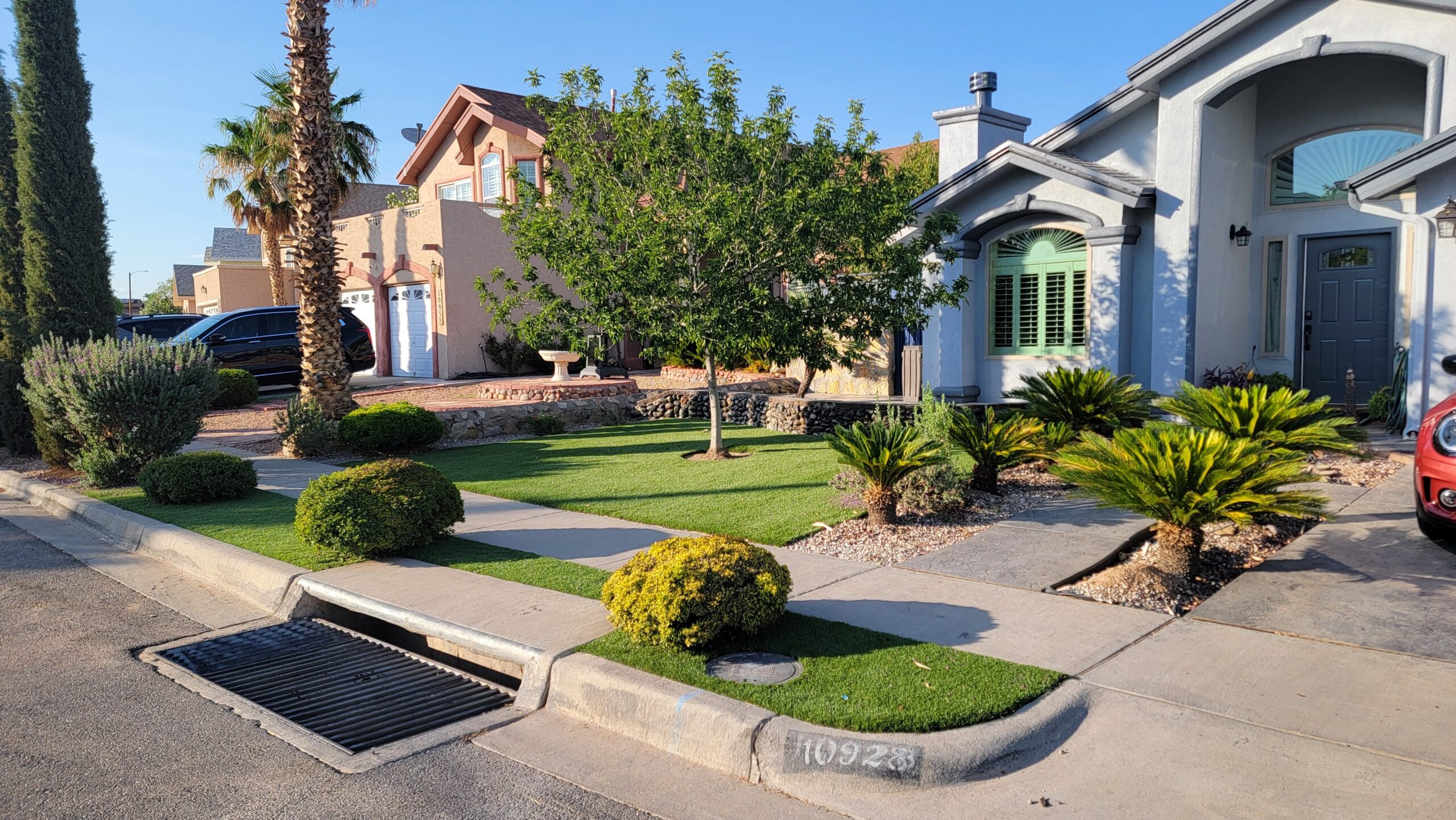
Artificial turf is not a traditional hard flooring material, but it has become a popular part of outdoor flooring design in many El Paso backyards. It can be used to create green areas without the watering and maintenance associated with natural grass.
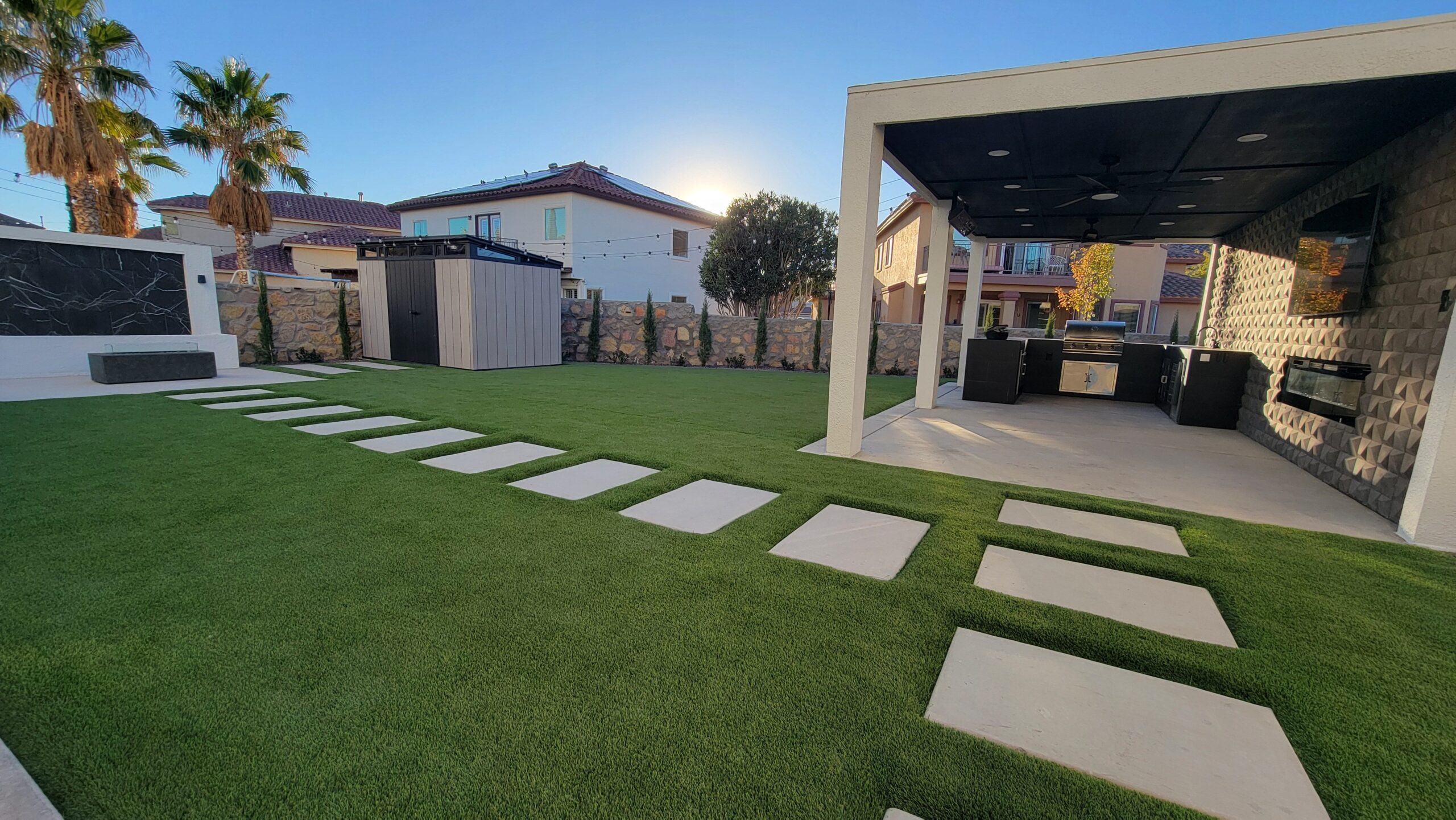
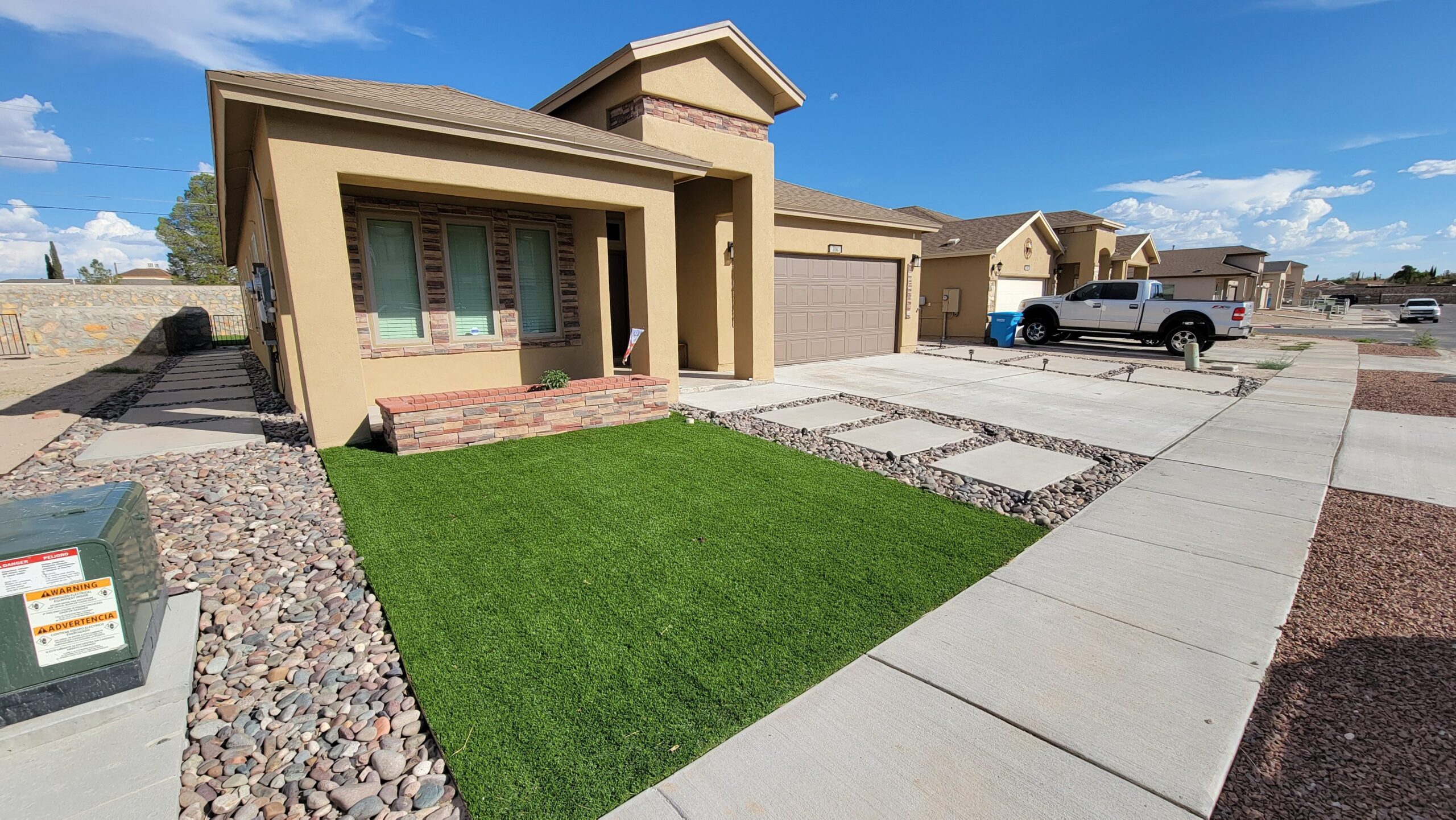
Artificial turf can work particularly well between patios, around seating areas, near pools, or in sections of the yard where homeowners want a softer surface. It can also be combined with pavers, concrete, or stepping stones to create more visually interesting layouts.
One consideration is heat. Artificial turf can become warm under direct sunlight, so it is important to think carefully about where it will be installed and how the area will be used.
Composite Decking
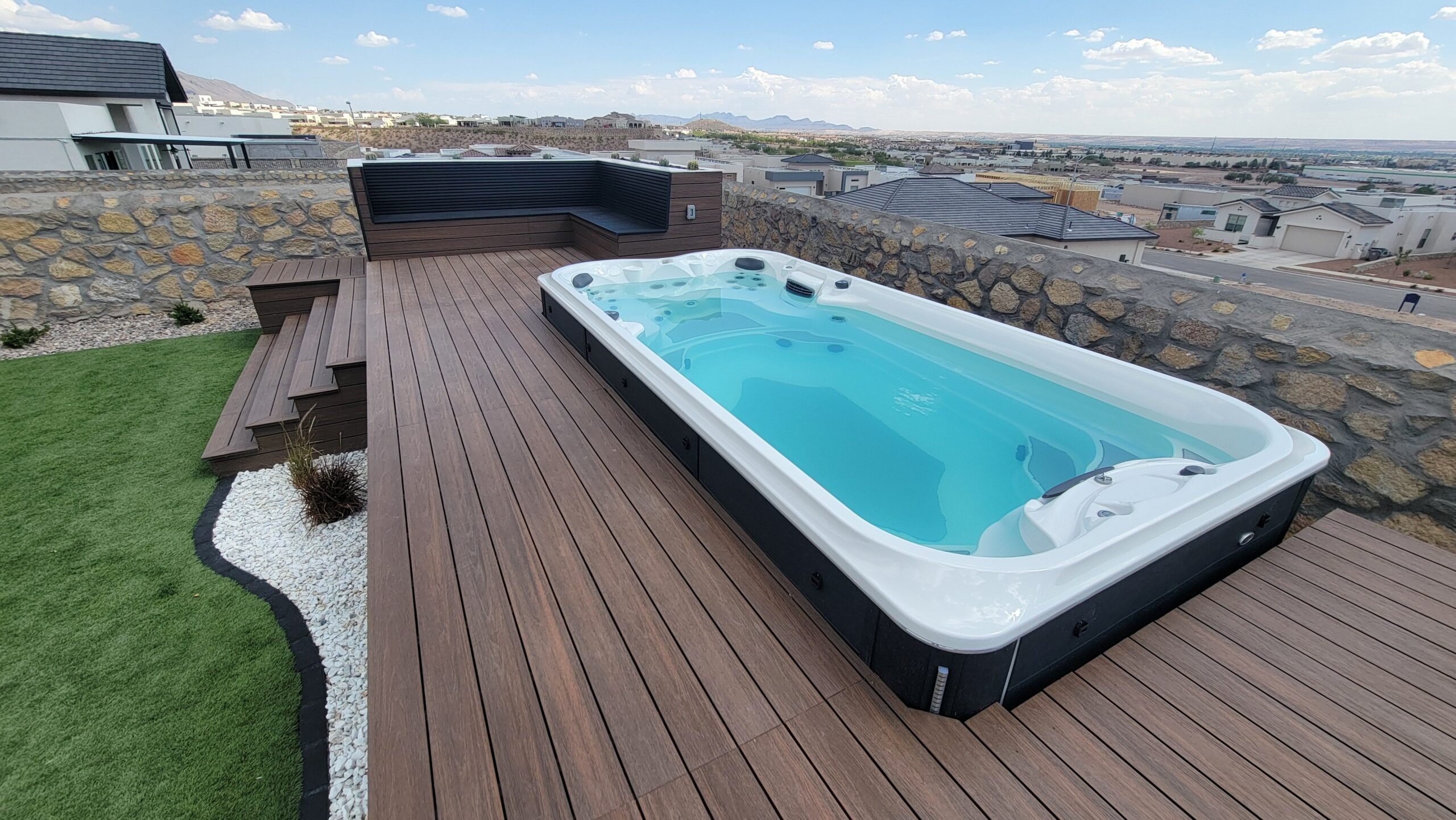
Composite decking can be a practical choice for raised decks, platforms, and certain outdoor living areas. It is manufactured using a combination of materials and is designed to provide the appearance of wood with less routine maintenance than many traditional wood products.
Composite decking is available in many colors and finishes, which makes it useful for homeowners who want a consistent, modern look. It can work well around seating areas, elevated patios, outdoor kitchens, and some pool environments.
Although composite materials often require less maintenance than wood, they can still become hot under strong sunlight. Product quality, installation, ventilation, and exposure should all be considered before choosing composite decking for an uncovered area.
Wood Decking
Natural wood continues to be a popular outdoor flooring choice because of its warm appearance and ability to create a comfortable, inviting backyard environment. It works particularly well for decks, raised seating areas, and outdoor spaces where homeowners want a softer visual style.
However, wood generally requires more maintenance than concrete, pavers, or composite decking. Depending on the material, it may need sealing, staining, or other periodic care to protect it from sun exposure and weather.
In El Paso, homeowners should carefully consider how much direct sunlight the deck will receive and whether they are comfortable with ongoing maintenance before choosing natural wood.
Pool Deck Flooring
Pool areas require special attention because the surface needs to handle both water and frequent barefoot use. The best pool deck flooring should provide slip resistance, durability, and a surface that remains as comfortable as possible during hot weather.
Common pool deck options include concrete, pavers, natural stone, and outdoor porcelain materials. Each option offers a different combination of appearance, maintenance, heat retention, and texture.
When choosing pool deck flooring in El Paso, consider how much direct sun the area receives during the hottest part of the day. A material that looks attractive may not be the best choice if it becomes uncomfortable to walk on barefoot.
Outdoor Tile vs. Pavers
Homeowners often compare outdoor tile and pavers because both can create a finished, customized patio.
Outdoor porcelain tile usually creates a smoother and more contemporary look, while pavers tend to offer more flexibility in patterns and individual replacement. Pavers can work particularly well in large uncovered areas, while outdoor tile can be a strong choice for covered patios and more refined outdoor spaces.
The best choice depends on the visual style you want, the condition of the installation area, and how much exposure to water and sunlight the surface will receive.
Concrete vs. Pavers
Concrete and pavers are two of the most practical options for patio flooring.
Concrete often creates a simpler and more uniform surface, while pavers provide more visual variety and flexibility. Concrete may work well for large areas where homeowners want a clean appearance, while pavers can help create patterns, borders, and defined zones.
Maintenance and repair should also be considered. If part of a paver surface becomes damaged, individual units may be easier to replace. Concrete repairs can sometimes be more visible, depending on the finish and age of the surface.
Which Outdoor Flooring Stays Cooler?
Surface temperature is an important consideration for El Paso homes because direct sun can make outdoor surfaces uncomfortable.
No outdoor flooring stays completely cool under intense sunlight, but some materials and colors absorb less heat than others. Lighter-colored surfaces generally tend to remain more comfortable than very dark materials, although actual temperature depends on the specific product, texture, exposure, and surrounding conditions.
Shade can also make a significant difference. Pergolas, covered patios, umbrellas, and other shade structures can help improve comfort regardless of the flooring material selected.
Which Outdoor Flooring Is Best for an Outdoor Kitchen?
Outdoor kitchens need flooring that can handle foot traffic, spills, grease, cleaning, and frequent use. The surface should also work well with nearby countertops, cabinetry, and appliances.
Concrete, pavers, porcelain tile, and some natural stone materials can all work well for outdoor kitchens. The best choice depends on the design and level of exposure.
Slip resistance and easy cleaning should be important priorities. Extremely textured surfaces may be difficult to clean, while very smooth materials may become slippery when wet.
Which Flooring Is Best for a Covered Patio?
Covered patios offer more flexibility because the flooring is protected from some direct weather exposure.
Outdoor porcelain tile, decorative concrete, pavers, natural stone, composite decking, and wood can all be considered depending on the style of the space. Since the area may receive less direct sunlight and water, homeowners can sometimes choose materials that would require more care in a fully exposed area.
The flooring should still be rated for outdoor use and selected based on durability, maintenance, and slip resistance.
Which Flooring Is Best for a Small Backyard?
In a small backyard, flooring can make the area feel either more open or more crowded.
Using one primary material across the main patio can create a cleaner appearance and make the space feel larger. Homeowners can then use artificial turf, landscaping, or a secondary material to define specific areas.
Large-format pavers or outdoor tiles can also create a more streamlined look when the proportions work with the available space.
Avoid using too many different flooring materials in a small backyard, as this can make the design feel fragmented.
Which Flooring Is Best for a Large Backyard?
Larger properties provide more opportunities to combine materials.
For example, concrete or pavers may be used for the main patio, artificial turf can create softer areas, and natural stone may be used for pathways or pool surroundings. Different materials can help define cooking, dining, pool, and lounge areas without adding walls or barriers.
The key is making sure the materials coordinate in color, texture, and overall style.
Consider Drainage Before Installing Outdoor Flooring
Drainage should be planned before installing any permanent outdoor flooring.
Water should move away from structures and avoid collecting in low areas. Poor drainage can create standing water, staining, erosion, and other long-term problems.
The installation should take into account the slope of the property, existing drainage patterns, nearby landscaping, roof runoff, pool areas, and irrigation.
Drainage is especially important when combining large areas of hardscape with landscaping because the finished surface can change how water moves through the yard.
Think About Maintenance
Different outdoor flooring materials require different levels of maintenance.
Concrete may require periodic cleaning and, depending on the finish, sealing. Pavers may need occasional joint maintenance or cleaning. Natural stone can require sealing depending on the product. Wood may need staining or protective treatments, while composite decking usually requires routine cleaning.
Artificial turf also needs maintenance, including debris removal and occasional cleaning.
Before making a decision, consider how much time and money you are willing to spend maintaining the surface over the long term.
Match Flooring With the Style of Your Home
Outdoor flooring should feel connected to the architecture of the house.
A contemporary home may work well with large porcelain tiles, clean concrete, or modern pavers. A more traditional or southwestern property may look better with natural stone, textured concrete, or earth-toned pavers.
Colors and finishes should also coordinate with exterior walls, roofing, landscaping, pool finishes, outdoor kitchens, and other permanent backyard elements.
The goal is to create an outdoor space that looks intentional rather than a collection of unrelated materials.
Outdoor Flooring Comparison
| Flooring Option | Best For | Maintenance | Main Consideration |
|---|---|---|---|
| Concrete | Patios, walkways, large areas | Low to moderate | Can become hot and may crack |
| Pavers | Patios, pool decks, entertainment areas | Moderate | Joints may require maintenance |
| Porcelain tile | Covered patios, modern spaces | Low to moderate | Must be rated for outdoor use |
| Natural stone | Premium patios and pool areas | Moderate | Some stones require sealing |
| Artificial turf | Soft areas and landscaping | Low to moderate | Can become hot in direct sun |
| Composite decking | Decks and raised platforms | Low to moderate | Heat retention varies by product |
| Wood decking | Decks and natural designs | Moderate to high | Requires ongoing maintenance |
How to Choose the Right Outdoor Flooring
When comparing outdoor flooring options, focus on how the surface will actually be used rather than choosing based only on appearance.
Ask yourself:
- Will the area be fully exposed to sunlight?
- Will people walk on it barefoot?
- Is it near a pool?
- Will food or drinks frequently be served there?
- How much maintenance are you comfortable with?
- Do you need a slip-resistant surface?
- Will the area be covered by a pergola or patio roof?
- Does the material match the architecture of the home?
- How will water drain from the area?
- Will the surface connect with other backyard materials?
Answering these questions can help narrow down the best options for your property.
Common Outdoor Flooring Mistakes
One common mistake is choosing a material based only on appearance without considering how it performs outdoors.
Another is ignoring how hot the surface may become during the day. This can be especially important around pools and uncovered patios.
Other common mistakes include:
- Using indoor flooring materials outside
- Ignoring slip resistance
- Installing hardscape without planning drainage
- Combining too many unrelated materials
- Choosing flooring before planning the entire backyard
- Forgetting maintenance requirements
- Selecting dark surfaces without considering heat
- Failing to coordinate flooring with landscaping and outdoor structures
Planning these details before installation can help create a more functional and cohesive result.
Should You Use More Than One Outdoor Flooring Material?
Using more than one material can work very well when the backyard has several different functions.
For example, a homeowner might use pavers around an outdoor kitchen, artificial turf in a lounge area, and another surface around the pool.
The key is moderation.
Materials should complement each other in color, texture, and scale. Too many competing finishes can make the backyard feel visually busy.
A coordinated material palette usually creates a cleaner and more intentional design.
Best Outdoor Flooring for El Paso Homes
There is no single best outdoor flooring material for every El Paso home.
Concrete can be practical and versatile, pavers provide design flexibility, outdoor porcelain tile can create a modern look, natural stone offers a premium appearance, artificial turf can reduce landscape maintenance, and decking can create comfortable raised outdoor spaces.
The right choice depends on where the flooring will be installed, how much sunlight it receives, how the space will be used, and how much maintenance you want to manage.
For many homeowners, the best backyard design uses different materials strategically rather than relying on one surface throughout the entire property.
Plan Your Outdoor Flooring With the Entire Backyard in Mind
Outdoor flooring should connect the different parts of a backyard rather than being treated as an isolated decision.
Consider how the surface will transition between the house, patio, outdoor kitchen, pool, pergola, landscaping, walkways, and entertainment areas. Planning these elements together can help create smoother traffic flow and a more cohesive visual design.
The right outdoor flooring can make your backyard easier to maintain, more comfortable to use, and better suited to the way your family spends time outside.
Upgrade Your Outdoor Space With Anson General Contracting
Whether you are planning a new patio, pool area, outdoor kitchen, pergola, or complete backyard renovation, choosing the right flooring is an important part of the project.
Anson General Contracting can help homeowners in El Paso evaluate outdoor flooring options and create backyard spaces that combine durable materials with practical layouts and coordinated design.
Contact Anson General Contracting to discuss your outdoor flooring or backyard remodeling project in El Paso and explore materials that fit your home, lifestyle, and outdoor space.