Building a beautiful outdoor surface begins with choosing the right foundation. Whether homeowners are redesigning a patio, expanding a driveway, or upgrading a walkway, understanding the differences between concrete vs stone pavers is essential for making a long-lasting investment. Each material offers its own balance of strength, aesthetic appeal, maintenance needs, and price—making the selection process a crucial step in any landscape project.
Below, we break down the factors that matter most when choosing high-quality pavers and how they influence performance, appearance, and overall value.
Understanding What Shapes a High-Quality Outdoor Surface
Before selecting any product, homeowners should focus on design goals, usage needs, and long-term expectations. Modern paver design involves evaluating layout options, textures, geometric patterns, and installation methods. The right style not only enhances curb appeal but also improves structural integrity and flow throughout an outdoor space.
Patios require warmth and cohesion, while driveways demand strength and weight-bearing capacity. Identifying these priorities early ensures you select a product that can withstand everyday use and local climate conditions.
Evaluating Common Outdoor Surfacing Options
Selecting the right base material requires balancing practicality with visual preference. Some options deliver high structural performance, while others offer unique natural beauty.
Concrete Pavers
- Highly customizable in shape, size, and color
- Cost-effective compared to premium stone
- Excellent for modern and contemporary architecture
- Strong durability and predictable performance
Stone Pavers
- Made from natural materials (granite, slate, travertine, limestone)
- Unique visual variation, natural veining, and organic tones
- Superior longevity with proper installation
- Higher upfront investment with exceptional long-term appeal
Understanding these distinctions helps homeowners determine which product aligns with their style preferences and maintenance expectations.
Examining the Full Spectrum of Available Material Types
Homeowners often explore a wide variety of landscaping materials to ensure the surface matches the rest of their outdoor environment. Options such as decomposed granite, river rock, flagstone, gravel mixes, and natural boulders can complement paved surfaces and add dimension to garden beds, pathways, and edging zones.
Selecting complementary materials ensures the design feels cohesive, intentional, and visually balanced from every angle.
Finding Reliable Sources for Outdoor Construction Supplies
A key step in any project is locating consistent, high-quality materials. Many homeowners search for landscape materials near me to identify trustworthy vendors within their region. Local suppliers often provide valuable guidance on product availability, climate suitability, and material performance, helping avoid costly mistakes and ensuring the project blends seamlessly with regional aesthetics.
For projects requiring heavy-duty stones, structural bases, or specialty aggregates, partnering with vendors who understand regional weather patterns and soil composition can make a significant difference.
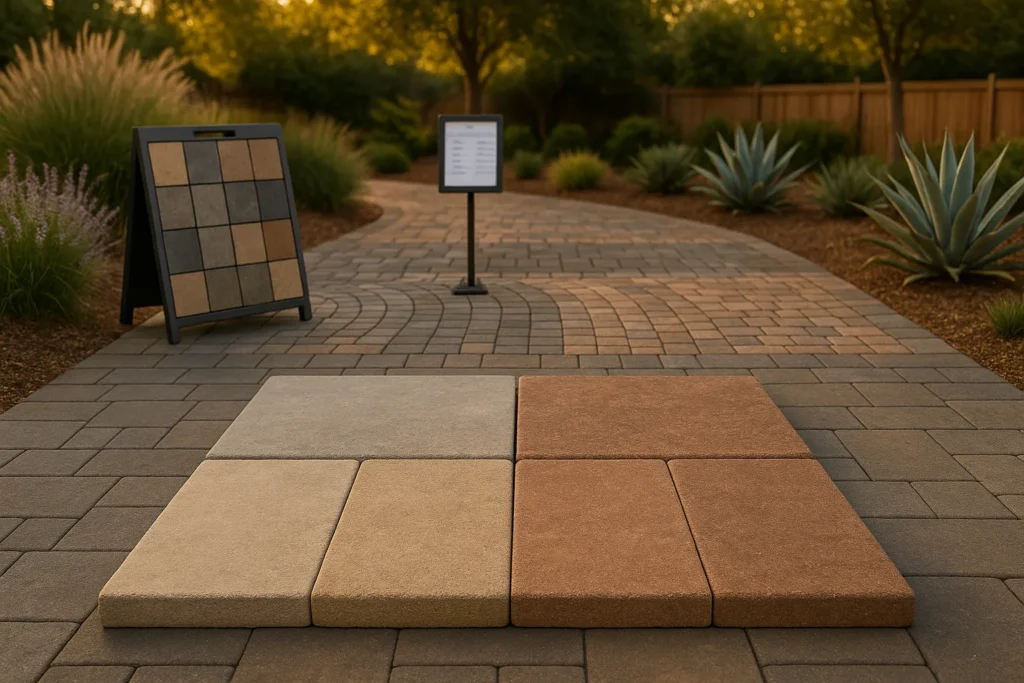
Selecting Premium Options for Long-Term Durability
When projects demand superior strength and natural appeal, professionals often turn to bedrock landscaping materials. These products, derived from dense geological formations, offer exceptional resilience, especially for driveways or high-impact areas. Their notable toughness, refined textures, and color consistency make them ideal for high-end exterior designs.
While these materials typically cost more than standard options, their longevity and elevated appearance often justify the investment.
Weighing Cost, Longevity, and Maintenance
Balancing upfront costs with long-term value is crucial when selecting pavers. Concrete offers affordability and flexibility, while stone provides timeless beauty and lasting performance. Homeowners should consider:
- Expected vehicle or foot traffic
- Local climate and freeze-thaw cycles
- Maintenance capacity (sealants, cleaning, repairs)
- Desired visual style
- Installation grade and contractor expertise
A thoughtful evaluation of these factors ensures homeowners invest in a surface that remains both durable and visually appealing for decades.
Conclusion
Choosing the right pavers is more than an aesthetic decision—it’s a commitment to longevity, safety, and outdoor enjoyment. By understanding material differences, selecting reliable suppliers, and working with skilled professionals, homeowners can create patios and driveways that endure seasonal changes while elevating curb appeal. Whether you prefer a sleek modern look or a rich natural finish, the right combination of materials and expert installation ensures your outdoor spaces stay functional, beautiful, and built to last.