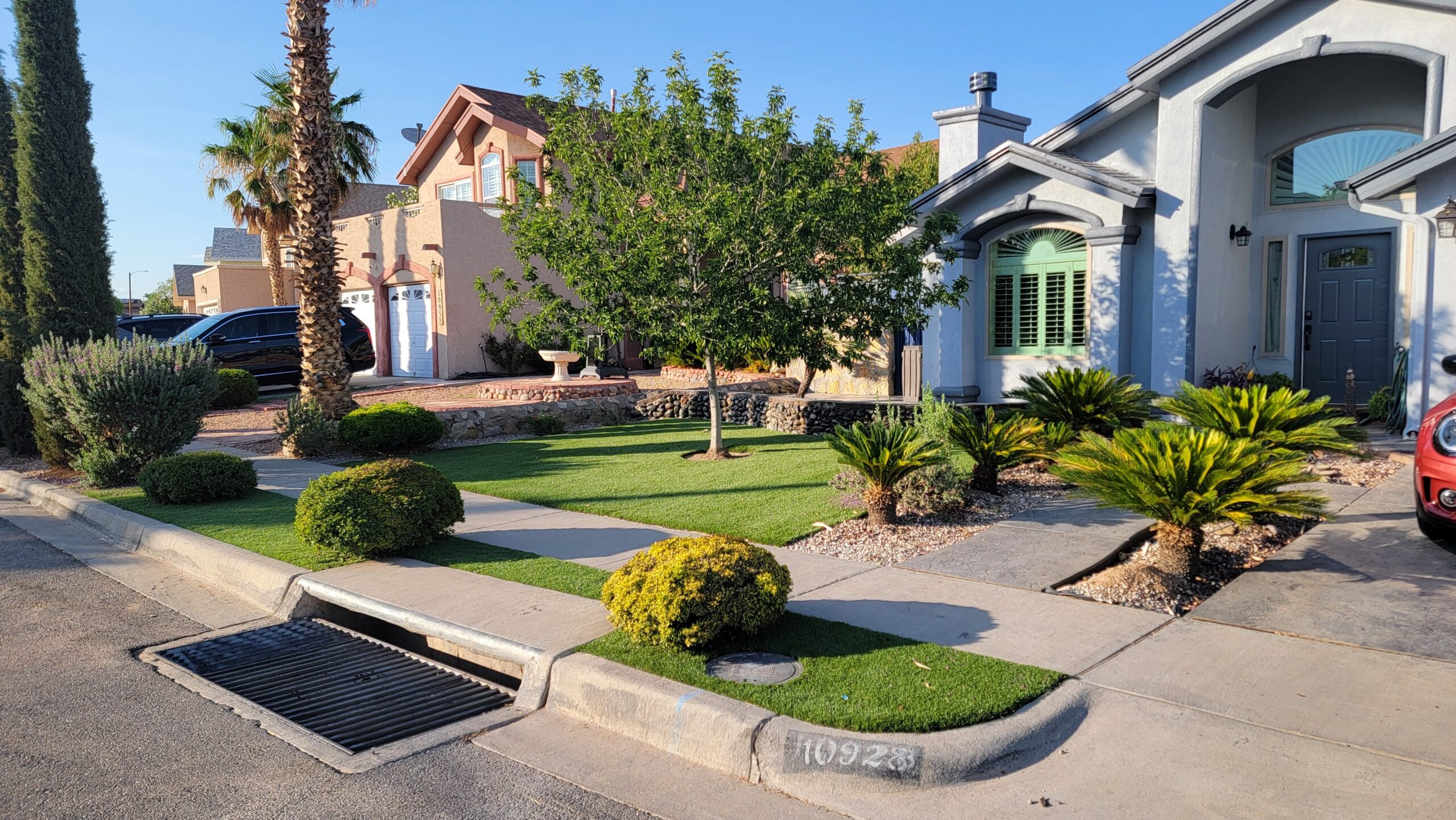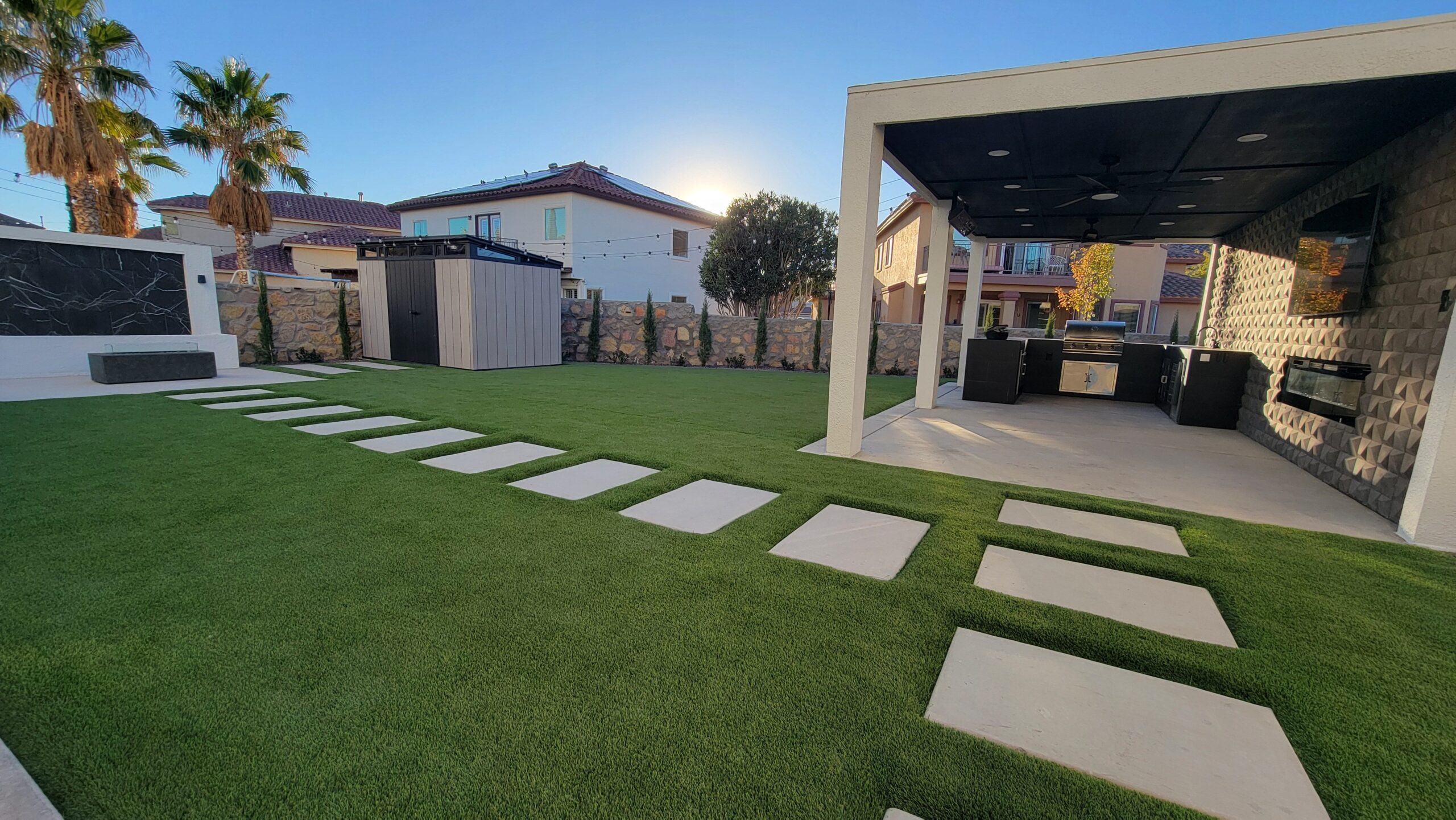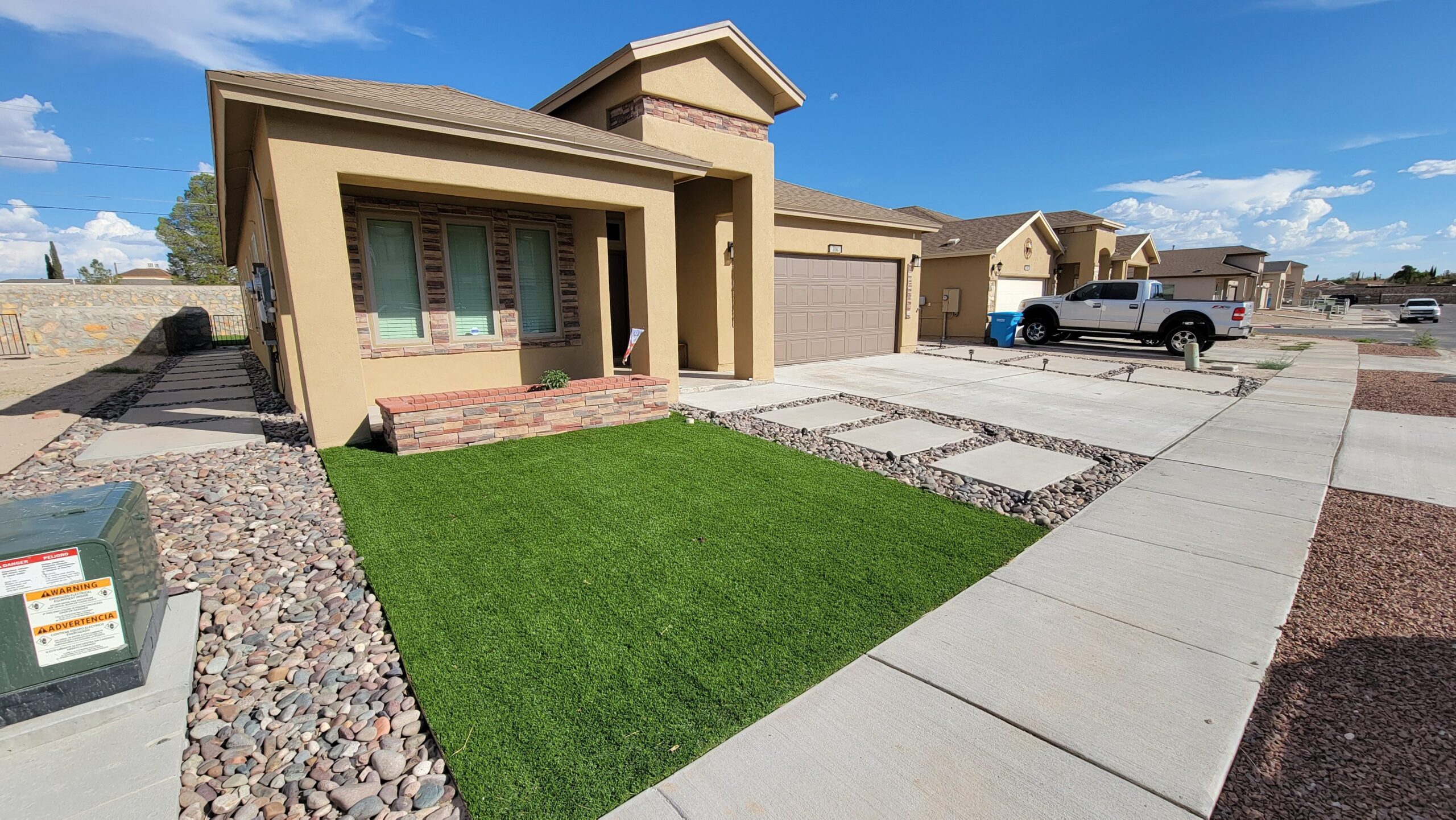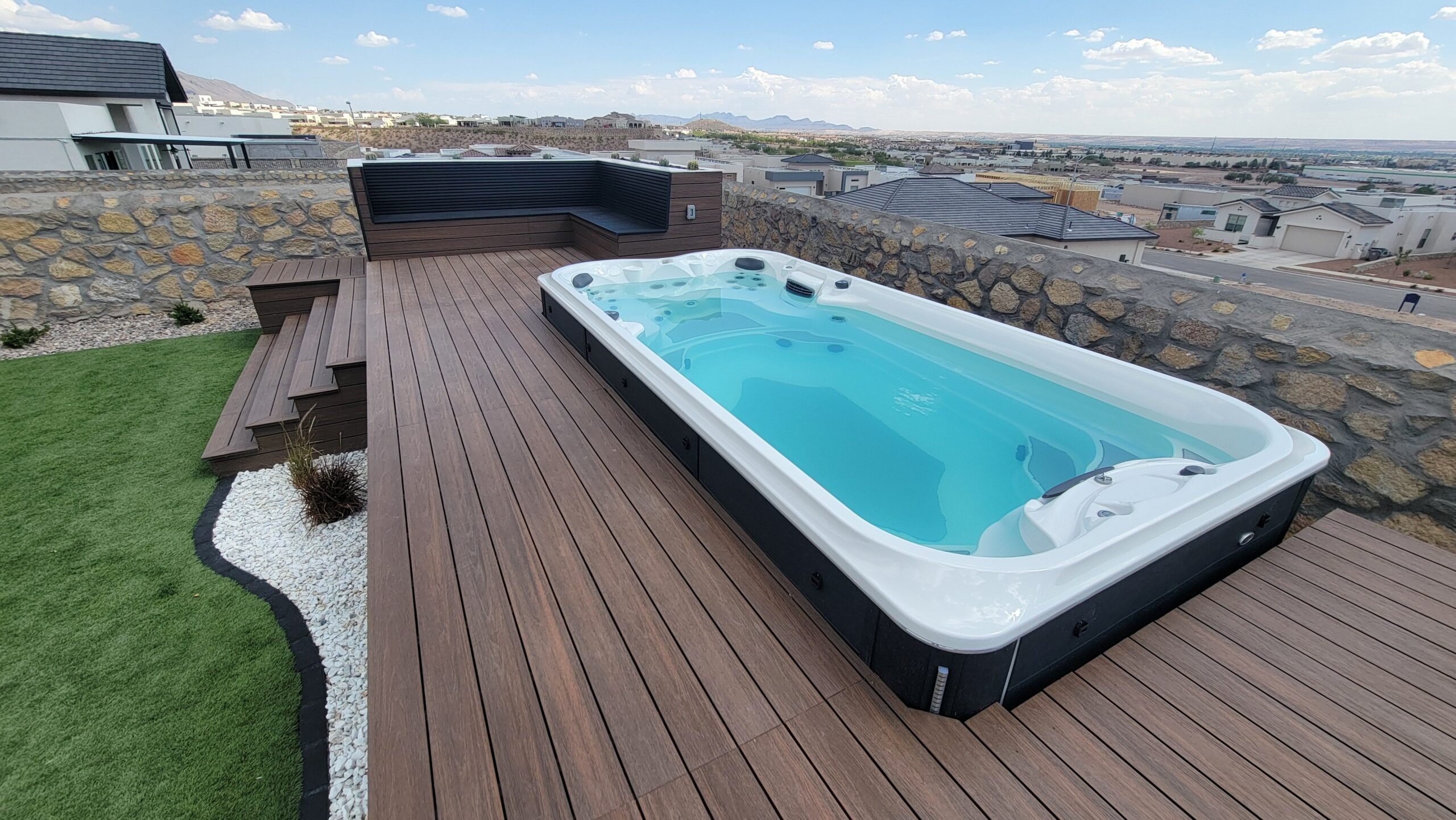
Creating an outdoor space that feels both beautiful and functional requires more than choosing plants or installing stone features at random. The true value of professional landscape design lies in achieving a thoughtful balance between structural elements and natural components. Hardscaping and softscaping are not opposing forces—they are complementary systems that, when combined intentionally, create harmony, usability, and long-term appeal.
Homeowners often struggle to decide how much of each element their yard needs. Too much structure can feel cold and uninviting, while an excess of plants may lead to high maintenance and a lack of definition. Understanding the role each component plays is the first step toward a balanced, enduring outdoor environment.
Understanding the Two Core Elements of Landscaping
Before finding balance, it’s important to clearly understand what each concept represents and how they function together.
What Is Hardscaping?
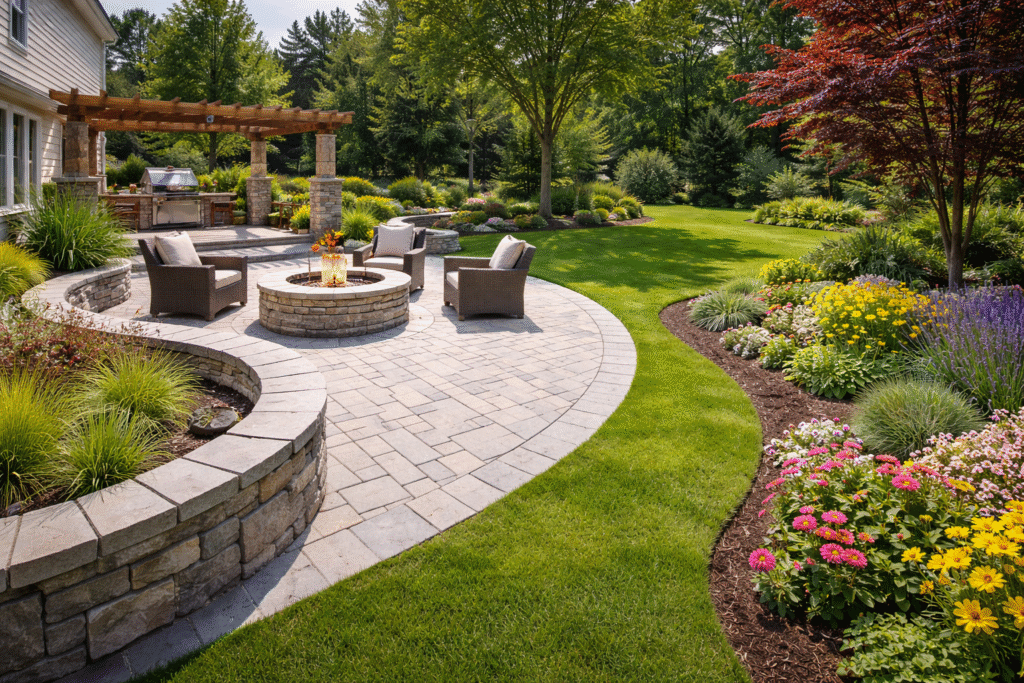
Hardscaping refers to the non-living, built features of a landscape. These elements provide structure, accessibility, and durability.
Common examples include:
- Stone patios and concrete slabs
- Retaining walls and seating walls
- Fire pits and outdoor kitchens
- Steps and raised platforms
- Driveways and borders
- Pergolas and built-in features
Collectively, these elements are known as hardscaping, and they form the backbone of outdoor spaces, defining how people move, gather, and interact.
What Is Softscaping?
Softscaping consists of the living, organic elements that bring warmth, movement, and seasonal change to the landscape.
This includes:
- Trees and shrubs
- Ground cover and grasses
- Perennials and annual flowers
- Soil preparation and mulch
- Natural contours and planting beds
The term softscaping emphasizes flexibility and life. These elements evolve over time, respond to climate conditions, and soften the visual impact of structural features.
Why Balance Matters in Outdoor Spaces
A successful landscape feels cohesive, not divided. Hard elements guide movement and function, while plant life provides comfort and visual interest. When one outweighs the other, the space may feel incomplete.
Balance ensures:
- Comfortable transitions between areas
- Visual warmth without clutter
- Structural stability without harshness
- Practical use alongside aesthetic appeal
- Long-term adaptability and growth
Achieving equilibrium allows outdoor areas to remain inviting, usable, and visually engaging throughout the year.
The Functional Role of Hardscaping
Hardscape features create order and usability within the yard. They establish the framework upon which everything else is built.
Key benefits include:
Clear circulation
Defined patios walkways guide movement, reduce soil compaction, and improve accessibility.
Durability
Hard materials withstand weather, foot traffic, and time better than plant-based features alone.
Multi-use spaces
Built surfaces allow for dining, lounging, cooking, and entertaining.
Low-maintenance zones
Replacing turf with stone or pavers reduces watering and mowing needs.
Hardscaping provides predictability and permanence—essential for modern outdoor living.
The Emotional Impact of Softscape Elements
Plants bring life and emotion into a space. They create connection, comfort, and a sense of retreat.
Benefits of incorporating greenery include:
Visual softness
Leaves, flowers, and grasses soften straight lines and rigid surfaces.
Environmental benefits
Plants improve air quality, manage temperature, and support local ecosystems.
Seasonal variation
Changing foliage and blooms keep the yard visually interesting year-round.
Privacy and enclosure
Trees and layered plantings define spaces without solid barriers.
Carefully selected softscape plants can transform a functional yard into a welcoming sanctuary.
Designing With Intention, Not Excess
The most successful outdoor environments avoid extremes. Instead of asking “How much hardscape or softscape do I need?”, the better question is “What does my space need to function well and feel inviting?”
Key considerations include:
- How the yard will be used daily
- The local climate and soil conditions
- Desired maintenance level
- Family and lifestyle needs
- Long-term growth and aging of plants
This mindset leads to cohesive outdoor design that serves both present enjoyment and future adaptability.
Creating Harmony Through Layout and Flow
Balance is not just about quantity—it’s about placement. Strategic layout allows both elements to enhance one another.
Effective design strategies include:
Anchoring spaces with structure
Use patios or seating areas as focal points.
Softening edges
Frame hard surfaces with planting beds or ground cover.
Layering heights
Combine low plantings, mid-level shrubs, and taller trees to add depth.
Repeating materials and colors
Consistency across elements creates visual unity.
These techniques ensure smooth transitions and a natural rhythm throughout the yard.
Planning for Longevity and Maintenance
Every landscape should be designed with the future in mind. Smart landscape planning considers how materials weather, how plants mature, and how maintenance needs evolve.
Thoughtful planning helps:
- Prevent overcrowding as plants grow
- Avoid drainage and erosion issues
- Reduce future redesign costs
- Ensure usability across seasons
- Maintain visual balance over time
Professional planning protects your investment and preserves harmony long after installation.
Matching Balance to Lifestyle Needs
No two households use their outdoor space the same way. A family with children may prioritize open lawns and durable surfaces, while entertainers may prefer expansive patios with accent plantings.
Balanced landscapes adapt to lifestyle by offering:
- Open zones for flexibility
- Defined gathering areas
- Quiet corners for relaxation
- Clear pathways for movement
- Green spaces for visual relief
When structure and nature work together, the yard supports everyday life effortlessly.
Common Mistakes to Avoid
Even beautiful elements can fail if they are poorly balanced. Common issues include:
- Over-paving the yard, creating heat and visual heaviness
- Overplanting, leading to high maintenance and clutter
- Ignoring drainage and soil conditions
- Choosing materials or plants without long-term planning
- Designing without considering how spaces connect
Avoiding these pitfalls helps maintain harmony and functionality.
Conclusion
Finding the perfect balance between hardscaping and softscaping is the foundation of a truly successful outdoor space. When structure and nature work in harmony, landscapes become more functional, welcoming, and visually compelling. Thoughtful planning, intentional layout, and a clear understanding of how each element contributes to the whole allow homeowners to enjoy outdoor environments that feel complete, adaptable, and enduring—spaces that enhance daily life and grow more beautiful with time.