At Anson General Contracting, we help El Paso homeowners with hardscaping vs softscaping on a regular basis. If you’re considering a project like this for your property, we’d love to help — get in touch here or call 915-499-7378 for a free estimate. In the meantime, here’s what we’ve found matters most.
Why Professional Help With Hardscaping vs Softscaping Matters
How Anson General Can Help
How much does hardscaping vs softscaping cost?
The cost of this work varies depending on the scope of the project, property size, and specific requirements. At Anson General, we offer competitive pricing and free estimates. Contact us for a personalized quote tailored to your needs.
How long does a typical project take?
Most projects are completed within a few days to a couple of weeks depending on complexity. Our team works efficiently to minimize disruption while maintaining the highest quality standards throughout the entire process.
Why should I choose Anson General for this work?
Anson General brings years of experience, a dedicated team, and a commitment to excellence to every project. We are fully licensed and insured, and we stand behind all of our work with a satisfaction guarantee.
Talk to Anson General About Hardscaping vs Softscaping
We serve El Paso and the surrounding area — Westside, Upper Valley, East El Paso, Socorro, Canutillo, and Horizon City. Explore our landscaping services, or read more from tips on hiring a contractor in Texas. When you’re ready, schedule a free consultation and we’ll come to your property. If you have questions about hardscaping vs softscaping, we can review your property and explain the options.
Hardscaping vs Softscaping: How to Split the Work
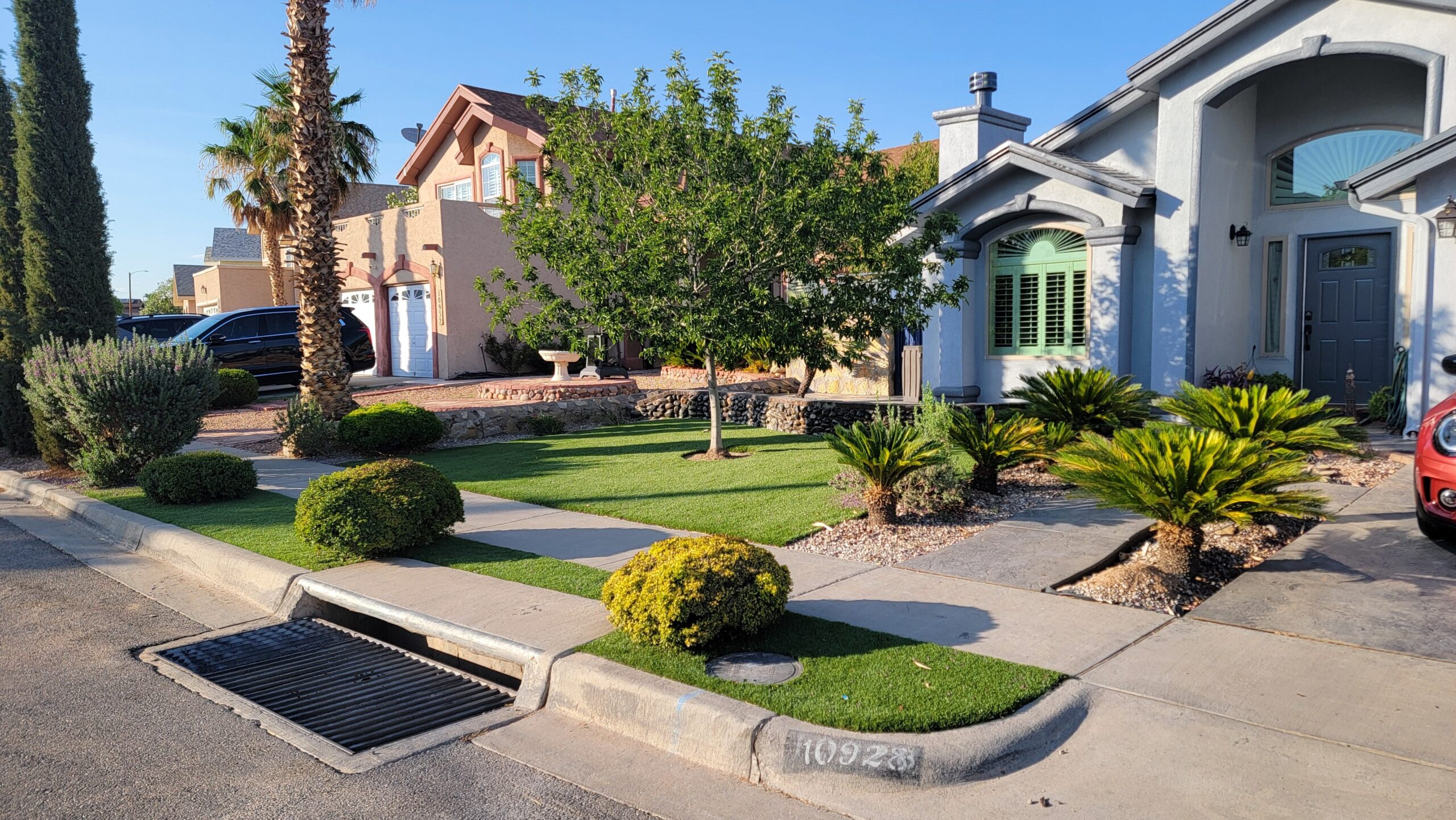
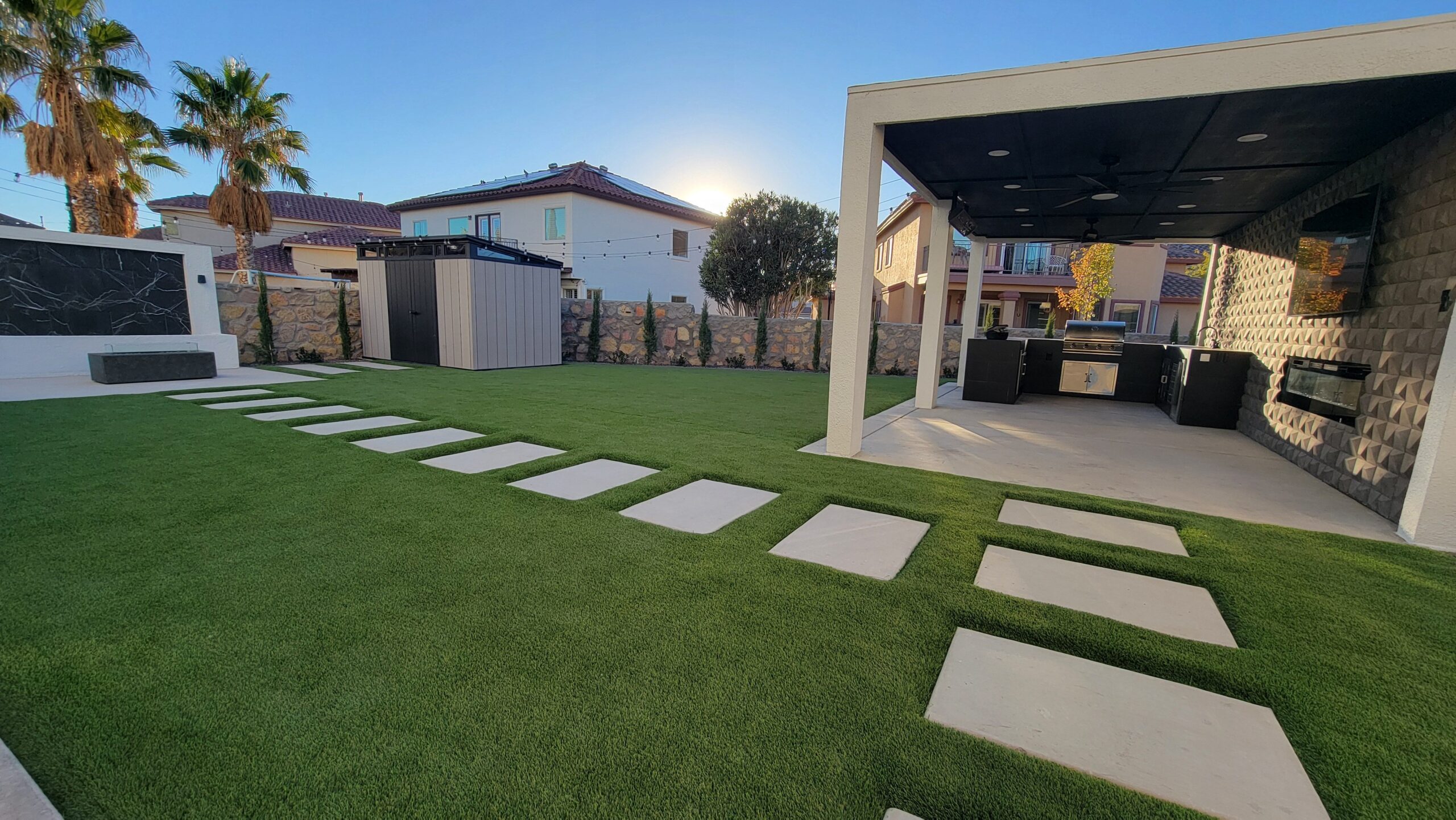
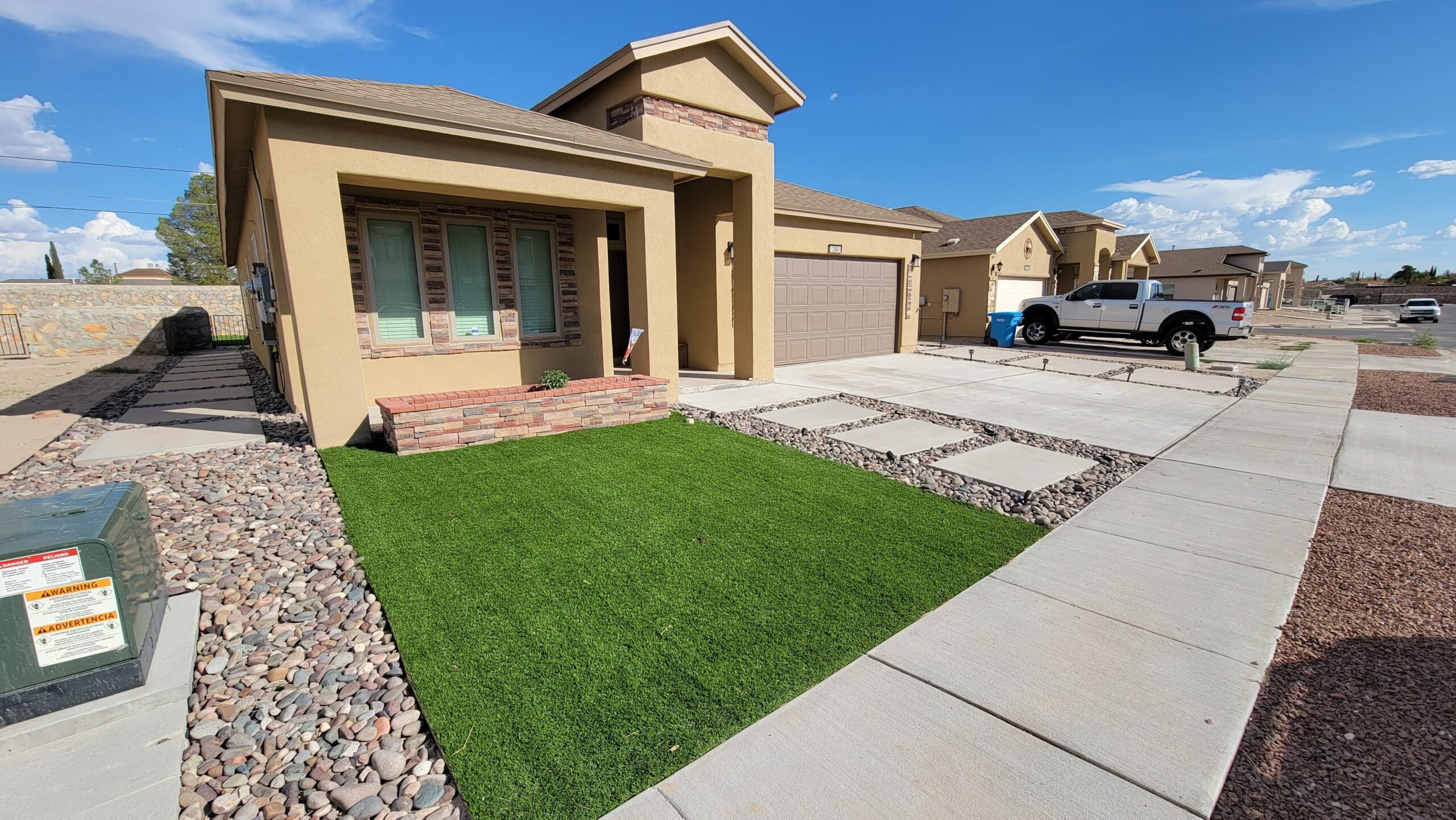
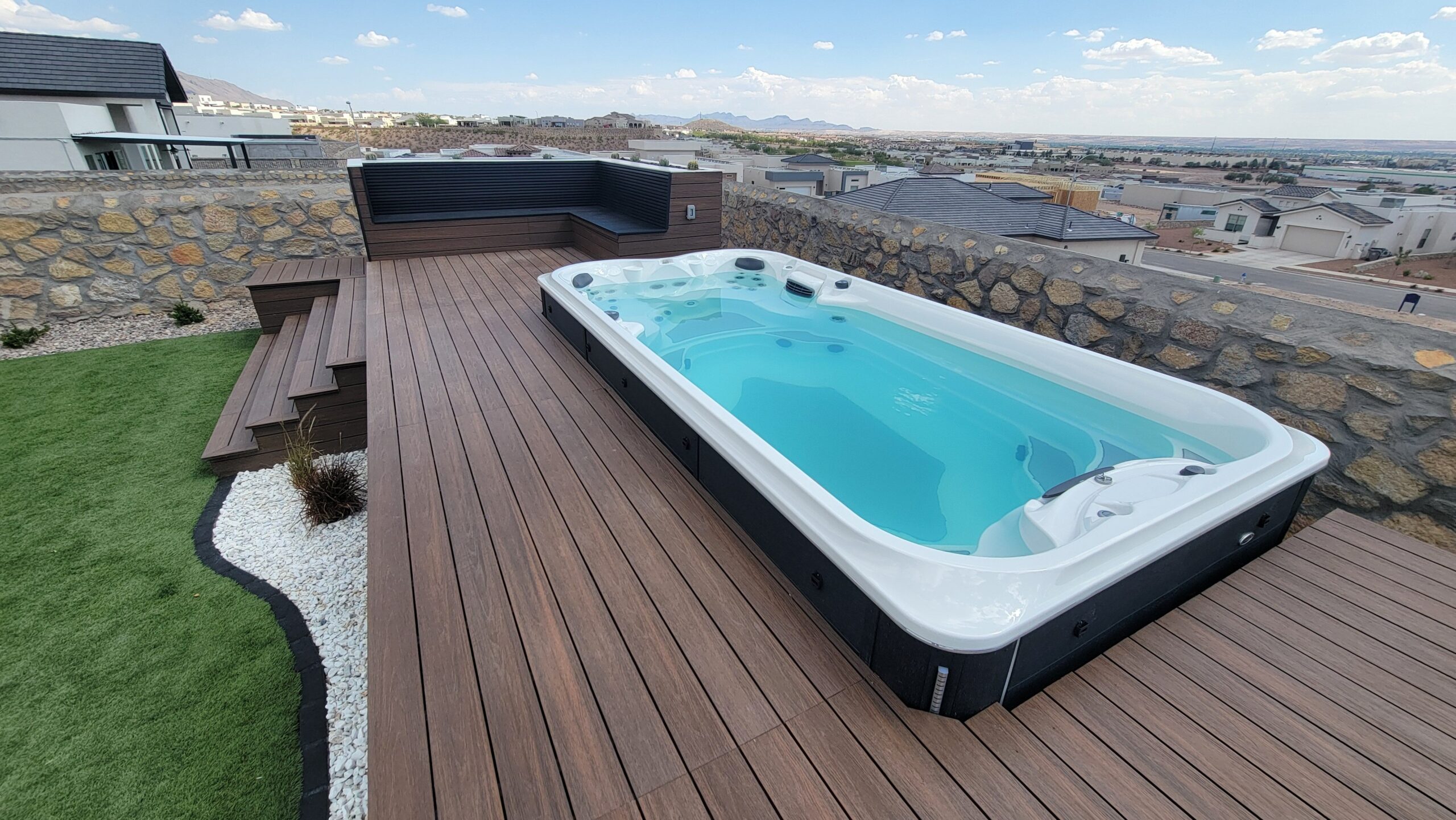
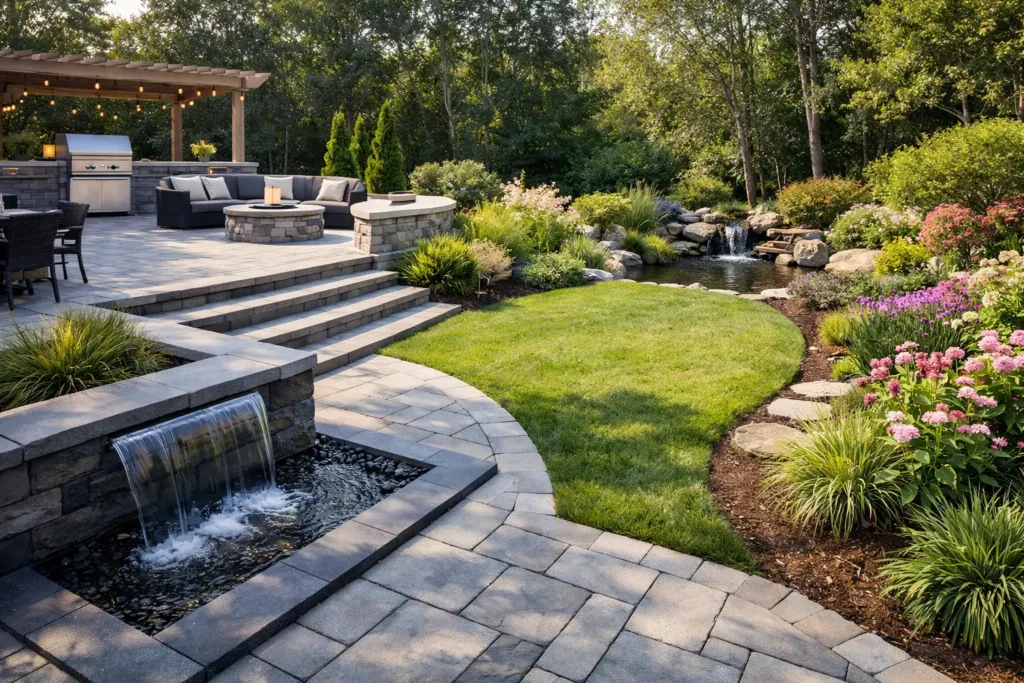
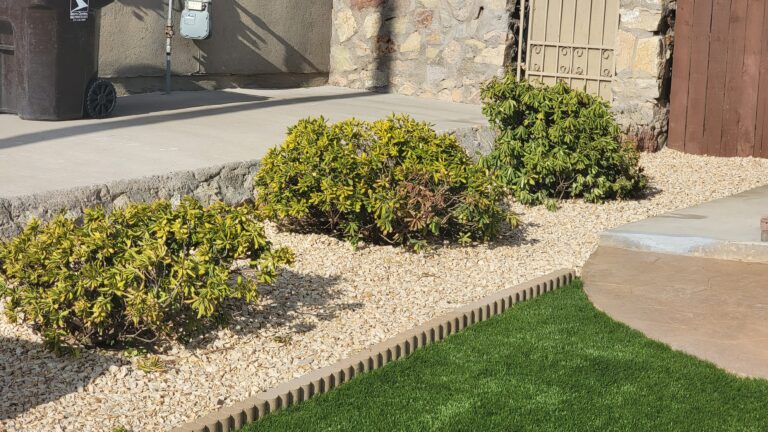
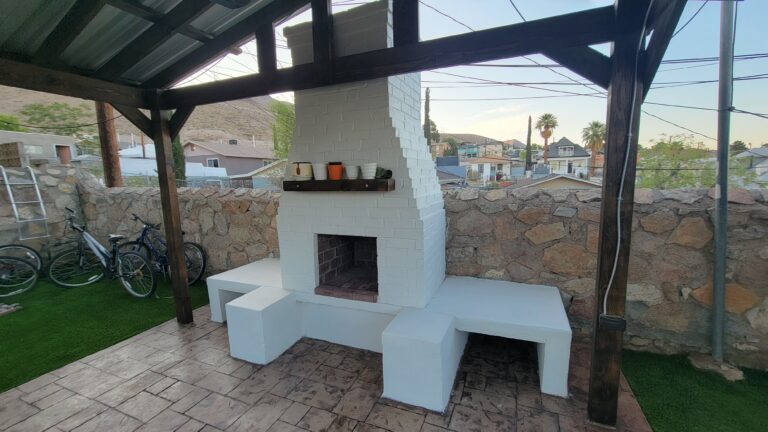
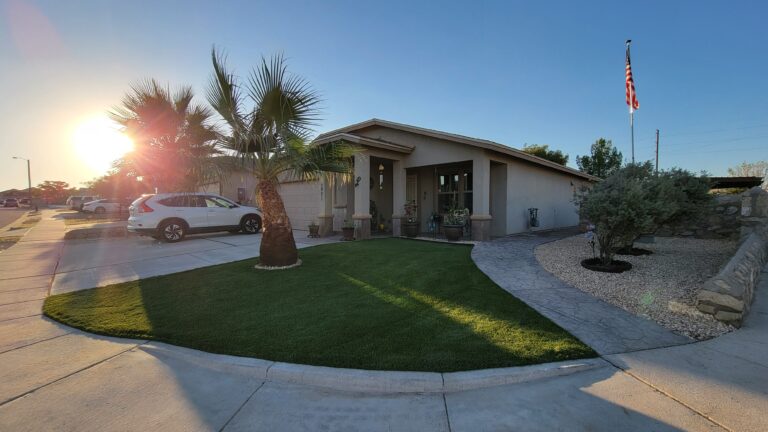
Hardscaping vs softscaping is a planning question, not a style debate. Hardscaping is the built floor and structure—patios, walls, walks, and sometimes a pergola base. Softscaping is the living layer—plants, soil, and irrigation.
The right split depends on how you use the yard and on El Paso’s heat and water limits. A yard that is mostly unused lawn may need more hardscape in the living zone and more drought-adapted planting everywhere else.
Let use drive the ratio
If you cook and eat outside, the hardscape has to be large enough and shaded enough to hold that activity. If you mainly want a garden view, softscaping can take more of the lot, with narrower walks.
Hardscaping vs softscaping also affects drainage. More paving means more runoff to plan for. More planting means more soil preparation and a clearer irrigation design.
Build the hard layer first
Set grades, paving, and any walls before you plant. Softscaping installed before final elevations often gets damaged or sits too high or too low against a patio.
Leave planting pockets in the hardscape where they will actually cool a wall or soften a view. Token planting pits in a sea of paving are hard to water and rarely thrive.
Keep both layers maintainable
Can you edge, prune, and wash the surfaces without awkward leftover slivers? A clean border between hardscaping and softscaping makes both easier to care for.
A balanced plan usually has a clear living floor, a simple plant structure, and no leftover odd corners. That is the practical answer to hardscaping vs softscaping on a typical El Paso lot.
Budgeting Attention, Not Just Area, in Hardscaping vs Softscaping
Where the effort should go
In the hardscaping vs softscaping split, put construction effort into the places you walk and sit, and put planting effort into the places that frame those spaces or handle runoff. Leftover strips that are too narrow to plant and too awkward to pave should be designed out.
A small, excellent patio with a simple planted edge usually outperforms a large field of mixed leftovers.
Shared details
Edges, grades, and irrigation are shared by both layers. If those are weak, the hardscaping vs softscaping conversation will not matter, because both sides will look unfinished.
When you add a structure later, revisit the split. A new pergola may justify a slightly larger hard floor and a tighter planted border. That is a normal adjustment, not a failure of the first plan.
A Final Check on Hardscaping vs Softscaping
What to confirm on site
Walk the finished or planned yard and ask whether you can use the hard floor without stepping into plants, and whether you can water plants without soaking the floor. That is the practical test of hardscaping vs softscaping.
Eliminate leftover slivers that are too narrow to plant and too awkward to pave. They become permanent maintenance problems.
If a structure is coming later, revisit the split. A pergola may justify a slightly larger floor and a tighter planted edge.
Keep the edge detail consistent. Hardscaping vs softscaping looks finished when the joint is intentional.
A small, excellent patio with a simple planted border is usually the right end point on an El Paso lot.
Take a Photo of the Joint
Photograph the finished edge between paving and planting. Hardscaping vs softscaping is easier to maintain when you can remember the intended joint.
The photo also helps if a later crew is asked not to blur that line.
Remove the Leftover Slivers
Walk the plan and strike any leftover strip that is too narrow to plant and too awkward to pave. Those slivers are where hardscaping vs softscaping looks unfinished.
Give each remaining space a job: walk, sit, or plant. If it has no job, fold it into a neighbor.
Photograph the intended edges so a later crew does not blur the split between hardscaping and softscaping.
Common Questions
Do you serve my part of El Paso?
Yes — we work across all of El Paso, TX. Contact us to confirm availability for your neighborhood.
How do I get a free estimate for hardscaping vs softscaping?
Call 915-499-7378, email projects@ansongeneral.com, or book online. We respond within one business day.
Is Anson General licensed and insured in Texas?
Yes — fully licensed, bonded, and insured in Texas on every project.