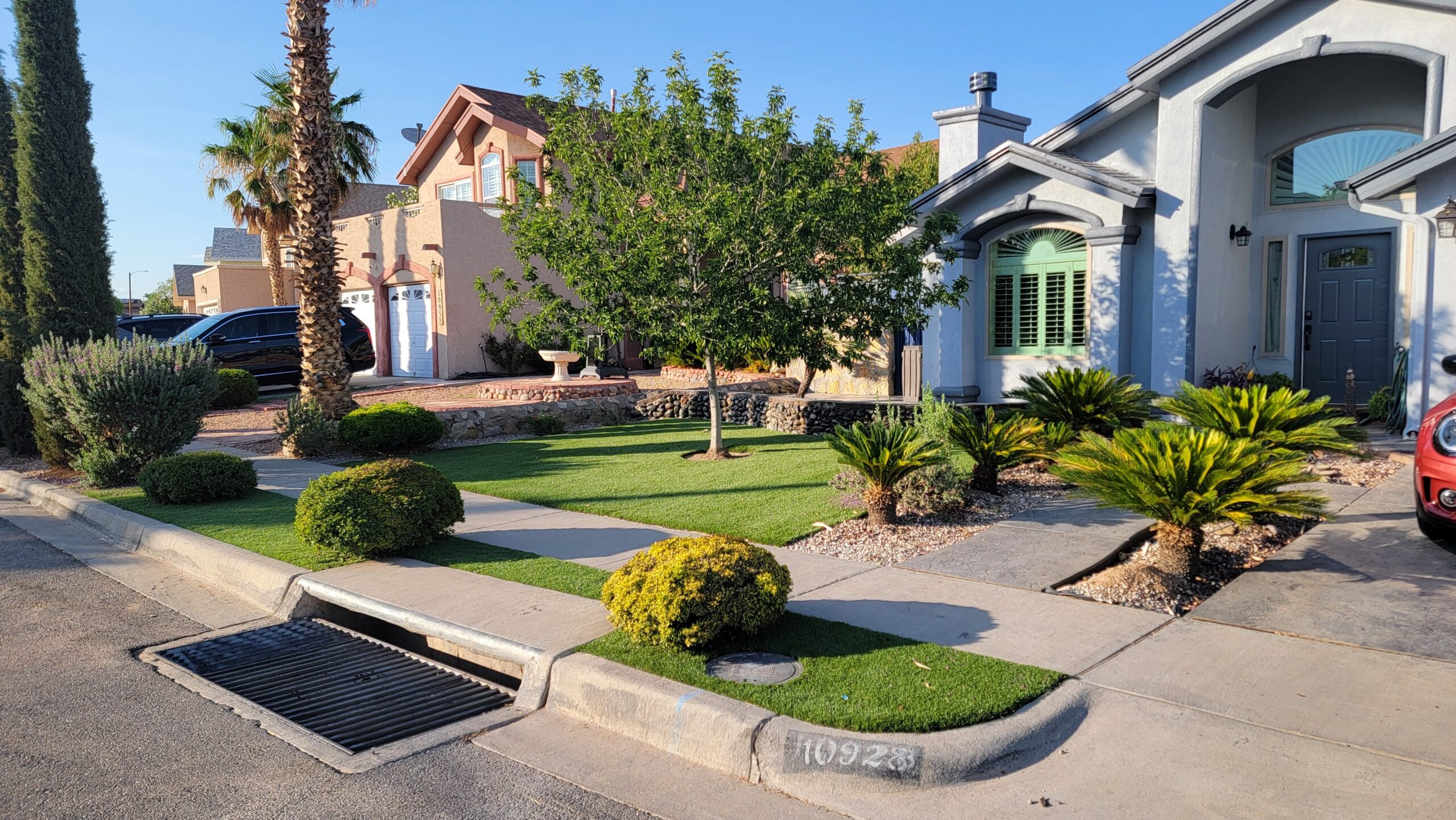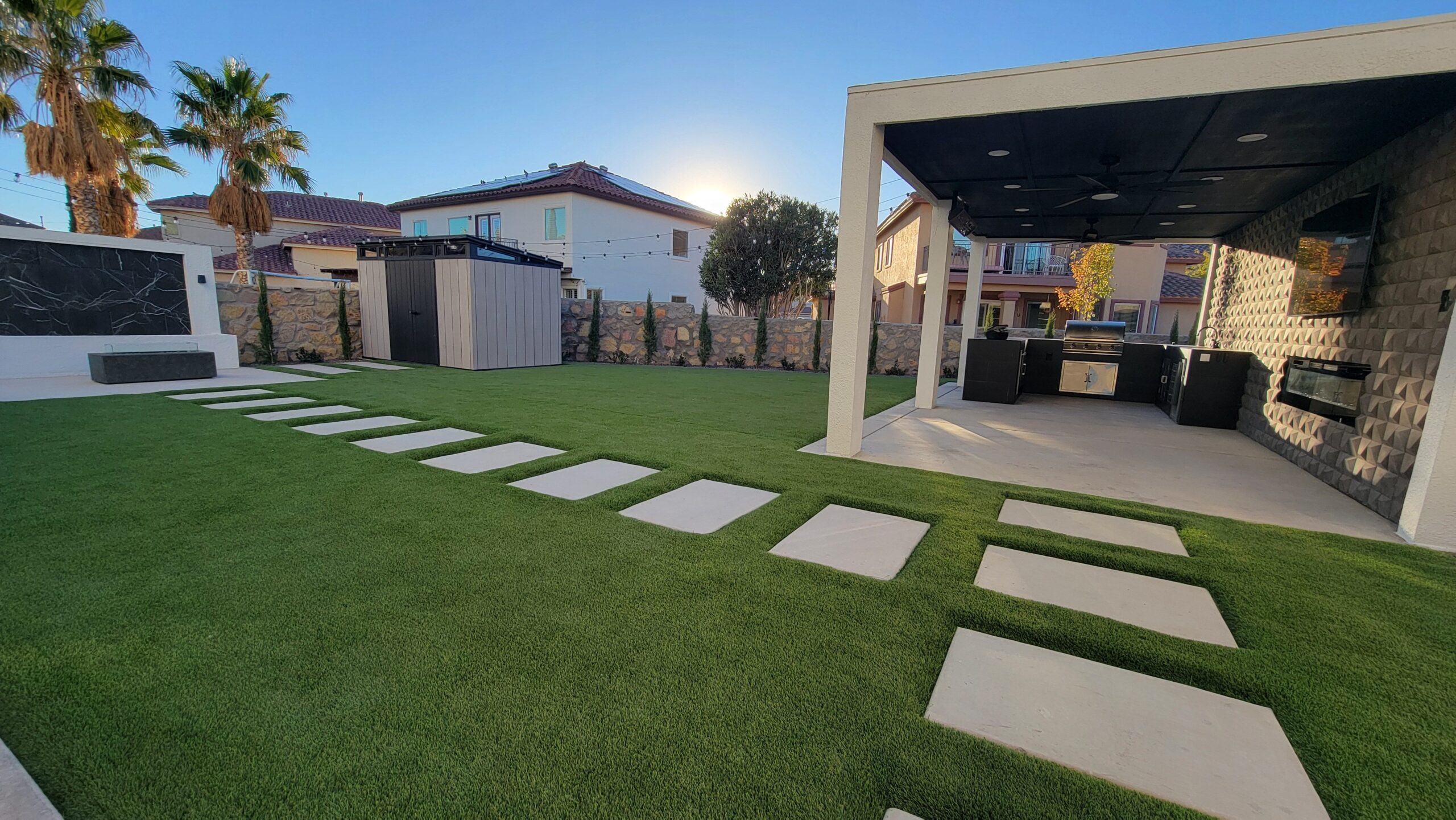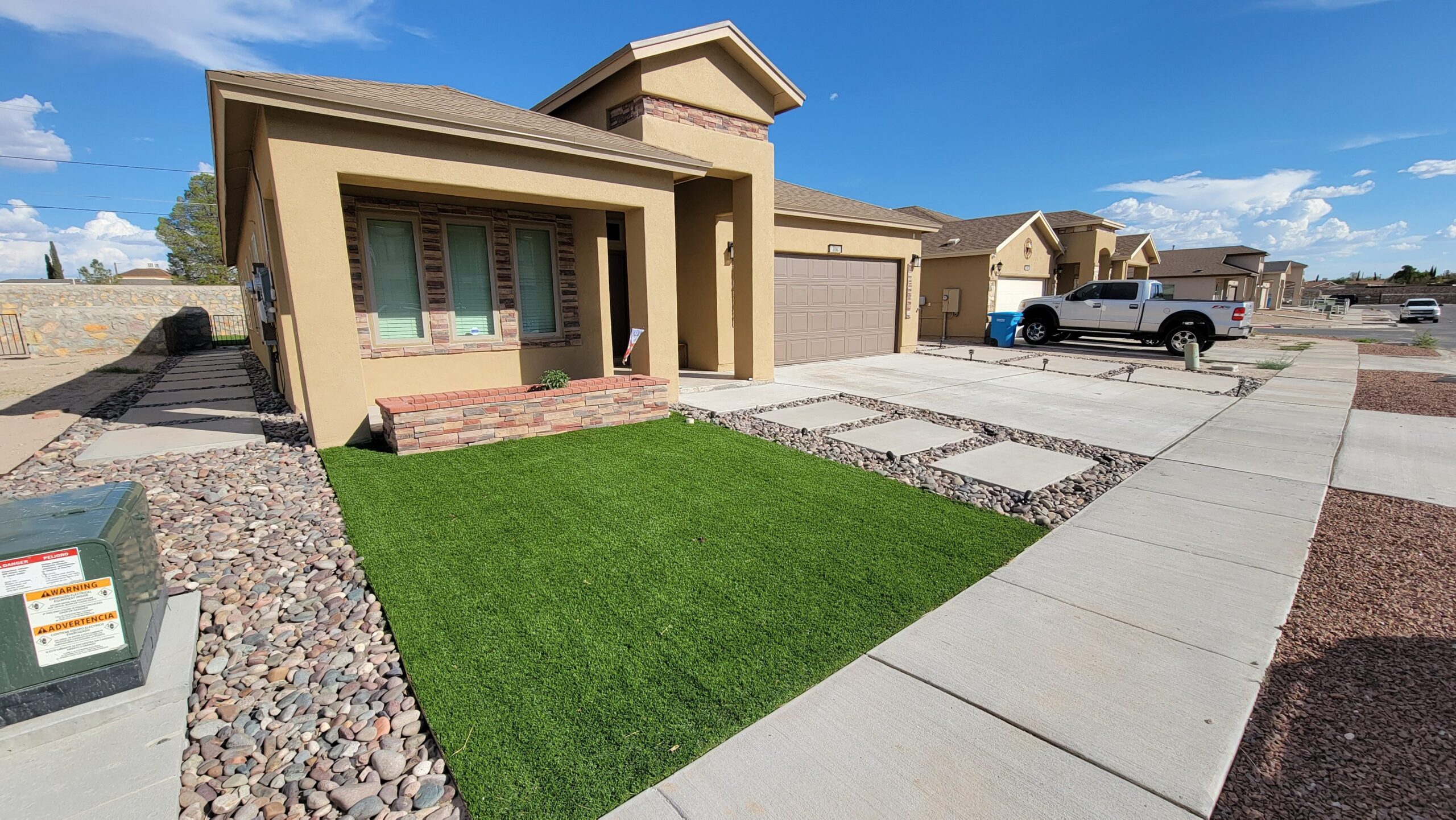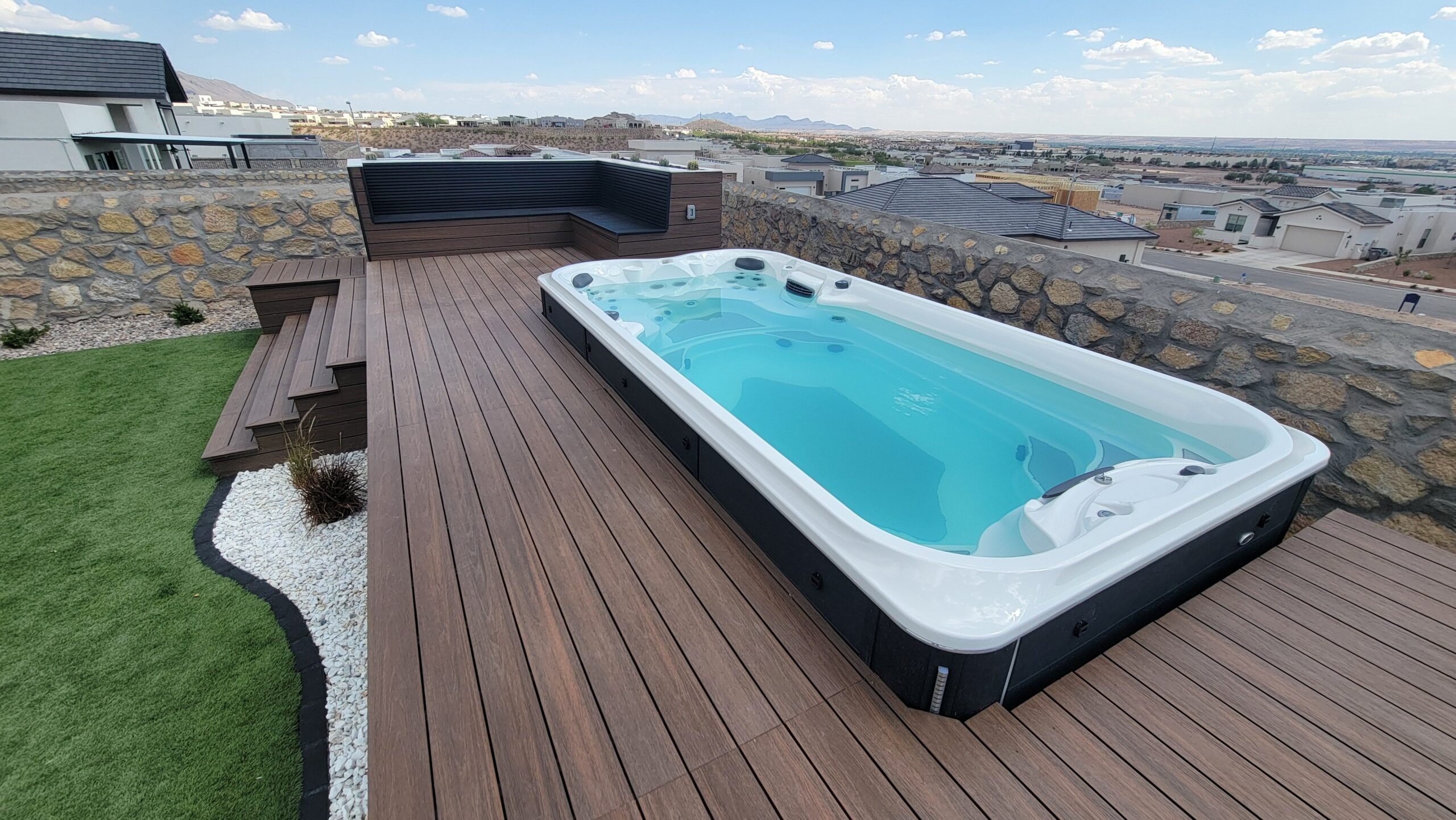
There’s a difference between being outside… and actually feeling at ease outside.
You can have a beautiful yard, comfortable seating, even great lighting — but if you constantly hear traffic, see neighboring windows, or feel exposed, it’s hard to fully relax.
Privacy isn’t just about blocking views. It’s about creating a sense of calm. And the right landscape plants can do more than decorate your yard — they can transform how it feels.
At ANSON GC Landscape and Designers, we design landscapes that don’t just look polished, but function as personal retreats. And one of the most powerful tools we use isn’t fencing.
It’s strategic planting. Let’s break down how it works.
Why Plants Create Better Privacy Than Fences Alone
Traditional fencing defines boundaries. But it doesn’t always soften sound, filter wind, or create visual depth.
Thoughtfully placed greenery can provide layered landscape privacy solutions that feel natural instead of boxed in.
Unlike solid barriers, living screens:
- Absorb sound
- Diffuse wind
- Add movement and texture
- Improve air quality
- Blend with architectural style
- Increase overall property value
And perhaps most importantly — they feel organic. A yard surrounded by greenery feels intentional, not enclosed.
The Power of Layered Privacy
One of the biggest mistakes homeowners make is relying on a single row of shrubs for screening. Effective privacy landscaping ideas focus on layering.
Instead of planting in a straight line, consider combining:
- Taller canopy trees
- Mid-height evergreen shrubs
- Ornamental grasses
- Dense hedge lines
- Accent plant clusters
Layering adds visual depth while improving coverage from multiple angles.
It also creates a more natural transition between properties, rather than a harsh visual wall.
Designing for Sound Reduction
If you live near a busy road or in a dense neighborhood, visual privacy isn’t the only concern. Noise carries — especially in open yards.
Strategic planting can serve as natural noise barriers, helping reduce sound intrusion.
While plants won’t eliminate noise entirely, dense groupings can significantly soften:
- Traffic sounds
- Nearby conversations
- HVAC hum
- Street activity
The key is density and spacing. Wide planting beds filled with varied textures absorb more sound than a single thin hedge.
Combining layered greenery with subtle elevation changes enhances the effect even further.
Not All Plants Perform the Same
Selecting the right species matters. Some landscape plants provide fast growth but weak structure. Others grow slowly but offer long-term density. Some hold foliage year-round, while others thin out seasonally.
A strategic privacy plan considers:
- Mature height and spread
- Evergreen vs. deciduous habits
- Climate resilience
- Root structure
- Maintenance requirements
- Soil compatibility
When plant selection matches site conditions, coverage becomes consistent — not patchy.
Backyard Privacy Is About Orientation
Every property has sightlines.
Windows facing inward. Adjacent patios. Second-story balconies. Street angles. Pool areas.
Strong backyard privacy design begins by identifying exposure points.
Ask:
- Where do neighbors have direct visibility?
- Which areas feel most exposed?
- Where does sound travel most easily?
- Which sections need year-round coverage?
Targeted planting around these pressure points provides the greatest return.
Privacy doesn’t have to surround the entire yard. It just needs to protect the right angles.
Soft Barriers Feel More Inviting
There’s a psychological difference between being hidden and being sheltered. Living greenery offers shelter without isolation.
Well-planned residential privacy landscaping adds softness to property edges. It frames views instead of blocking everything entirely.
Benefits include:
- A more relaxed outdoor atmosphere
- Increased comfort when entertaining
- Improved property aesthetics
- Greater visual cohesion
- Enhanced sense of retreat
When done right, your yard doesn’t feel smaller — it feels more intimate.
Reducing Echo and Amplified Sound
Hardscape surfaces like patios, fences, and walls can bounce sound around a yard. Without absorption, even moderate noise can feel amplified.
Strategic planting improves outdoor sound reduction by interrupting sound waves before they reflect.
Dense foliage, textured leaves, and varied plant heights break up sound patterns naturally.
Pairing greenery with pergolas, trellises, and structured planting beds can enhance acoustic dampening without looking engineered.
It’s subtle — but powerful.
Balancing Privacy With Light and Airflow
Complete blockage isn’t always ideal.
A well-designed privacy strategy maintains airflow and natural light while minimizing exposure.
This can be achieved through:
- Filtered canopy trees instead of solid walls
- Staggered shrub placement
- Strategic spacing
- Height variation
- Mixed plant textures
The goal isn’t isolation.It’s comfort.
Long-Term Growth Matters
Privacy planting is not an overnight solution. Young plants require time to mature. That’s why spacing and planning for growth are essential. Overcrowding may create short-term density but often leads to competition and thinning later.
Designing for mature size ensures:
- Healthier root systems
- More consistent coverage
- Reduced maintenance
- Longer plant lifespan
Patience pays off when planning is done correctly.
Why Professional Planning Makes a Difference
Privacy design requires more than filling space. It involves evaluating sun exposure, soil type, drainage, wind direction, and neighboring structures.
At ANSON GC Landscape and Designers, we assess the entire environment before selecting species or layout. The goal isn’t just screening — it’s creating a layered, cohesive environment that enhances comfort without compromising aesthetics.
Because privacy should feel natural.
Not forced.
- Creating privacy with natural plant barriers
- Layered planting for residential screening
- Reducing backyard noise through landscaping
- Designing effective plant-based privacy solutions
- Outdoor sound dampening strategies
- Strategic plant placement for property comfort
- Enhancing backyard seclusion naturally
- Improving outdoor relaxation through greenery
- Sound absorption with layered vegetation
- Increasing property value with privacy landscaping
Conclusion
True outdoor comfort comes from feeling protected — visually and acoustically — without feeling enclosed.
When privacy is created through thoughtful plant design, your yard becomes more than a space behind your home. It becomes a retreat. A buffer. A place where you can unwind without distraction.
With strategic layering, proper plant selection, and intentional layout, greenery does more than decorate.
- It shields.
- It softens.
- It restores calm.
And that changes how you experience your entire property.