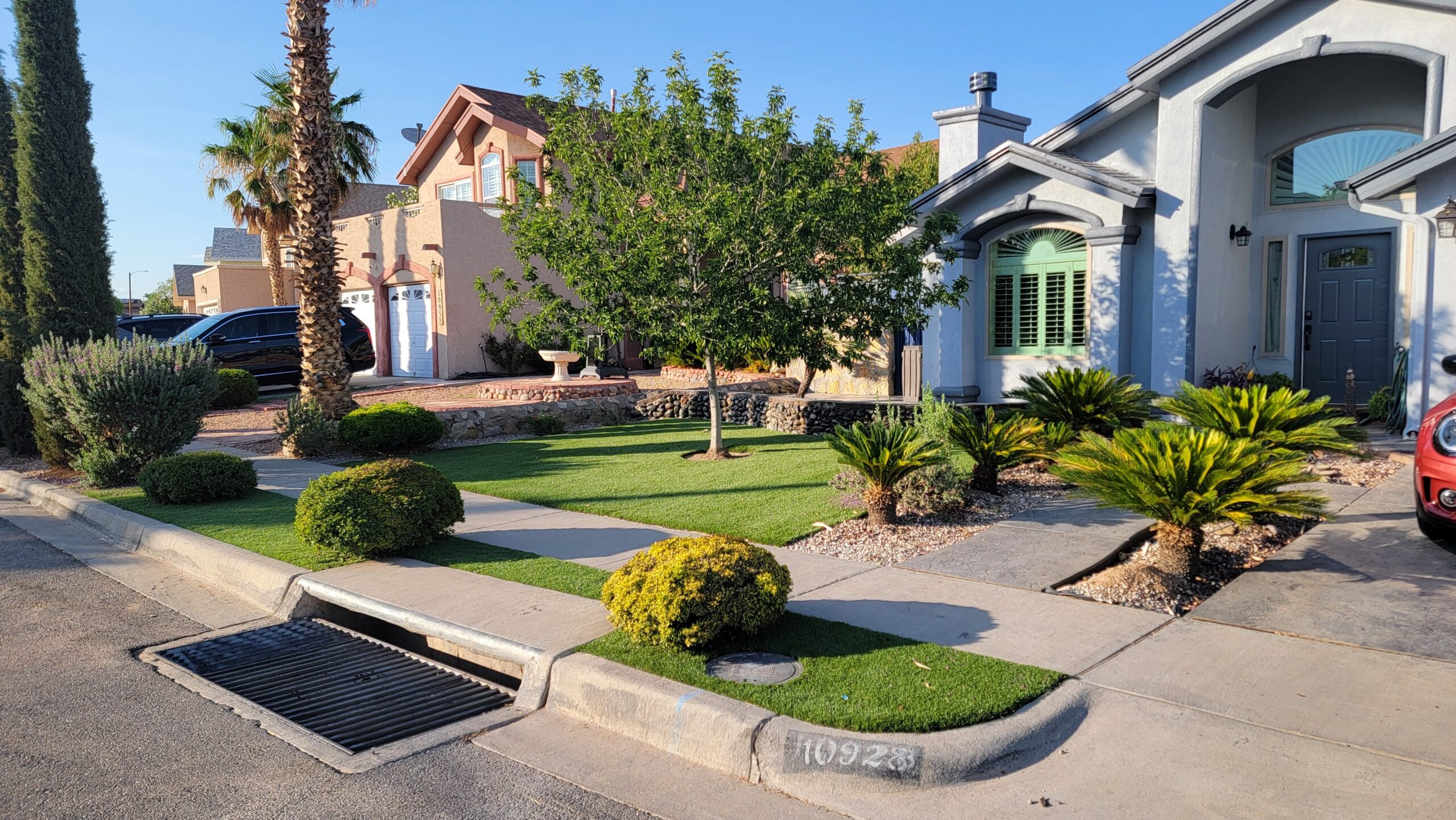
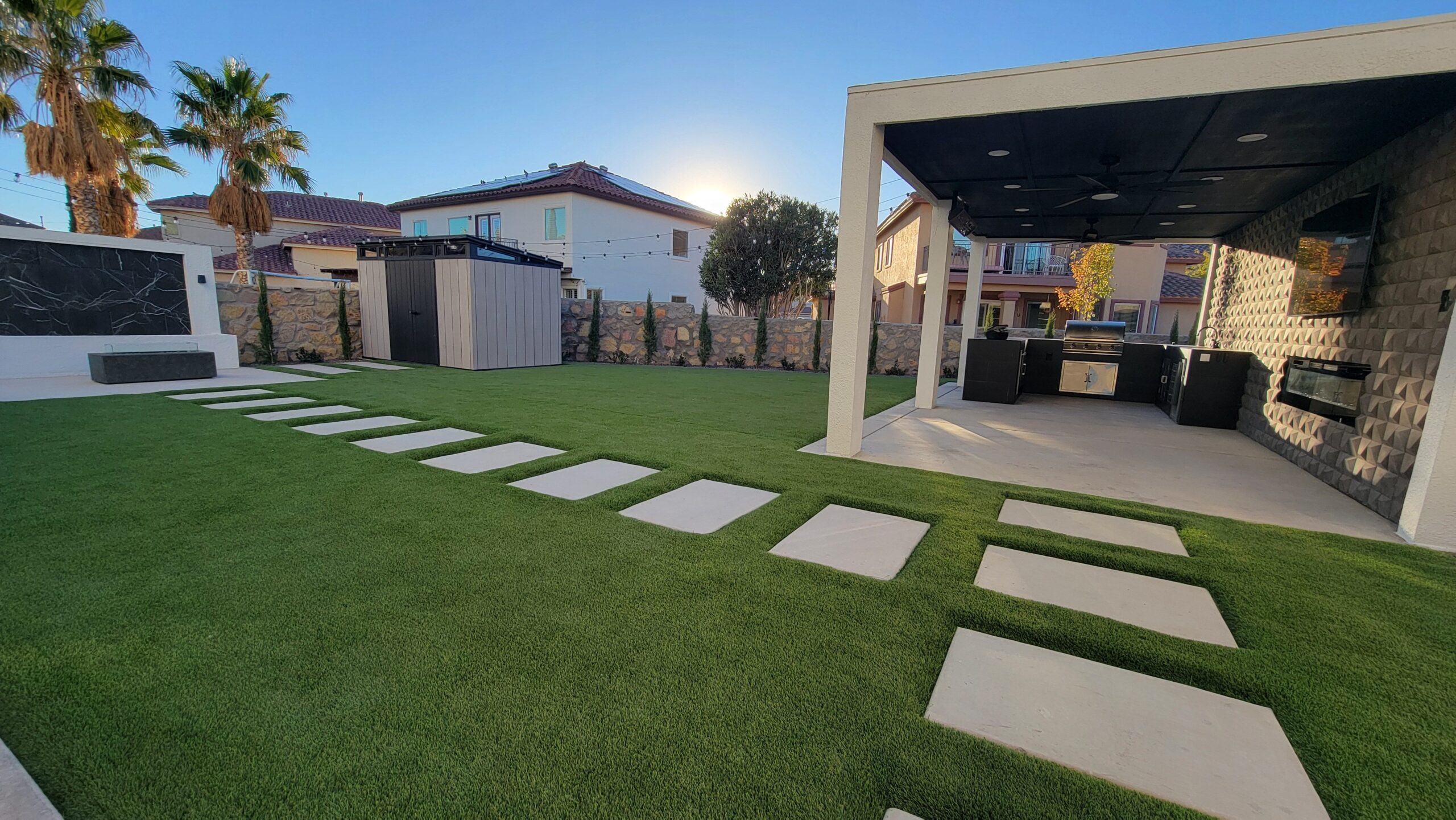
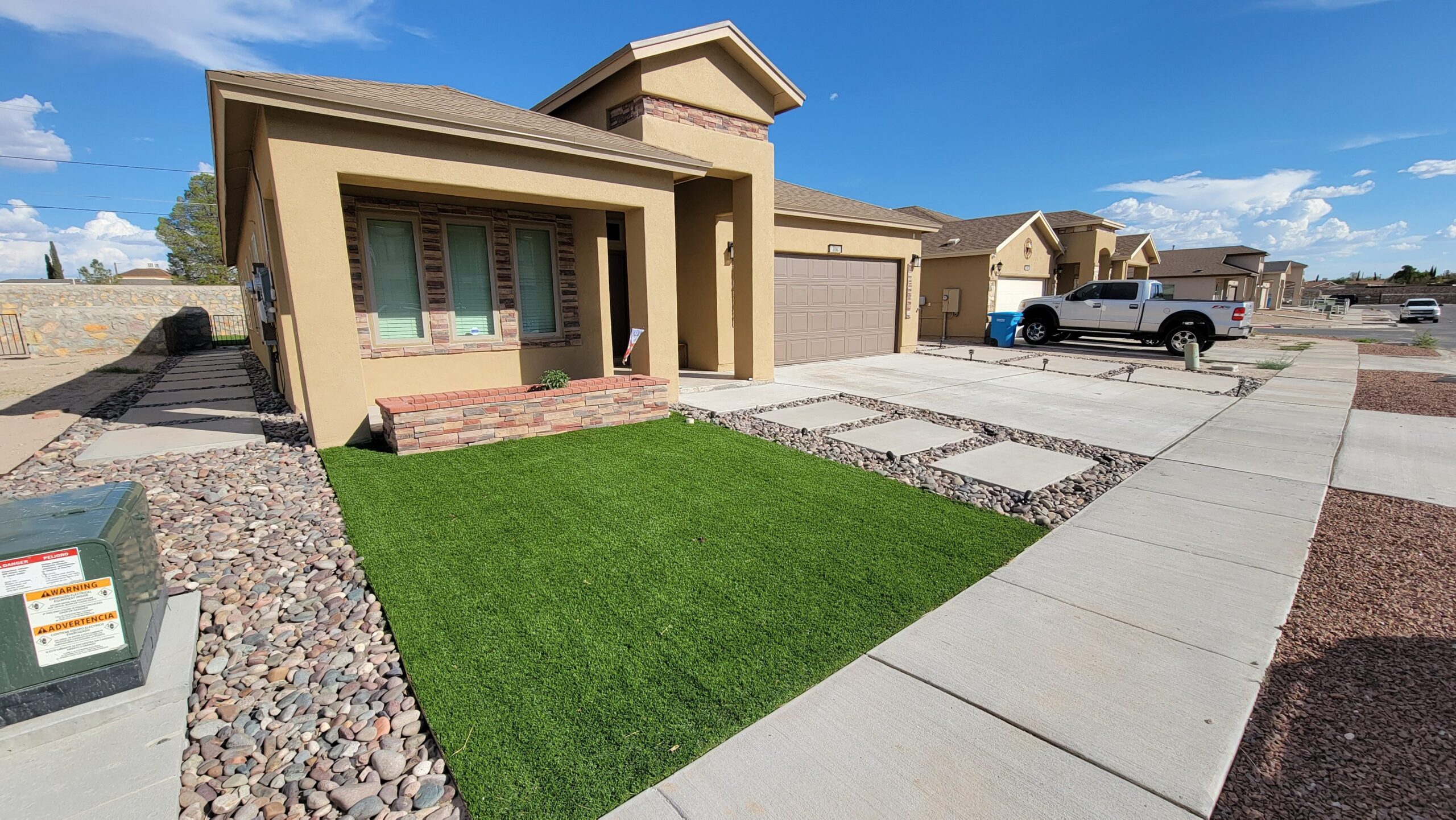
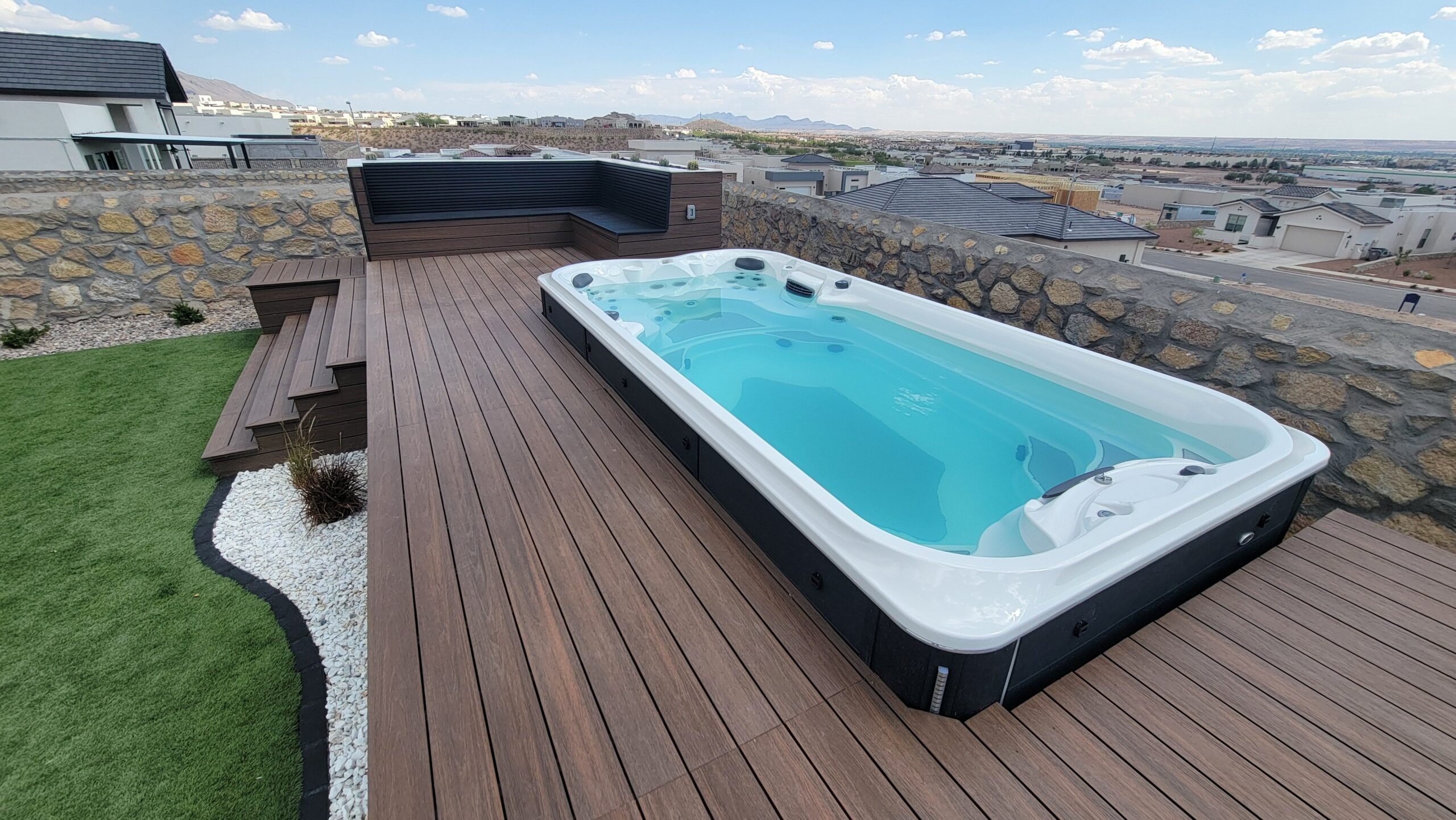
Let’s be honest — most yards in Texas weren’t originally designed for Texas.
They were designed to look green. Lush. Traditional. But constant watering, struggling turf, and seasonal plant loss can quietly drain your time and money. If your landscape feels like it’s fighting the climate instead of working with it, it may be time to rethink the strategy.
The good news?
You don’t have to rip everything out and start from scratch to make it work. With the right planning, you can gradually integrate drought resistant plants and create a yard that performs better, costs less to maintain, and still looks polished.
At ANSON GC Landscape and Designers, we believe smart transitions protect your investment while improving long-term sustainability.
Here’s how to do it the right way.
Step 1: Evaluate What’s Actually Working
Before removing anything, assess your existing yard.
Some landscape plants may already be performing well under local conditions. Others may be high-maintenance but visually important to you.
Ask yourself:
- Which plants require constant watering?
- Where does turf struggle every summer?
- Are there areas with full sun exposure all day?
- Which zones experience the most stress during drought?
Transitioning isn’t about eliminating beauty. It’s about identifying inefficiencies.
Clarity comes first.
Step 2: Replace High-Water Zones Strategically
Lawns are often the biggest water consumers in residential yards. Instead of removing all turf at once, consider targeting the most problematic areas first.
Gradual conversion might include:
- Reducing narrow turf strips
- Replacing slopes that are hard to irrigate
- Converting decorative lawn areas into planting beds
- Adding mulched zones for moisture retention
In these spaces, incorporating native Texas plants allows you to maintain color and structure without excessive irrigation.
Native species are already adapted to local rainfall patterns and soil conditions. They don’t need to be forced to survive.
Step 3: Think in Terms of Regional Performance
Successful landscapes reflect their environment. That’s where regional landscape design becomes essential.
Rather than copying styles from other climates, regional planning considers:
- Soil composition
- Heat intensity
- Wind exposure
- Rainfall variability
- Seasonal temperature swings
When design decisions align with regional realities, maintenance becomes easier and plant health improves naturally.
This isn’t about limiting options. It’s about selecting wisely.
Step 4: Integrate Sustainable Planting Layers
A resilient yard isn’t built with one type of plant. It’s layered intentionally.
Incorporating sustainable plants creates balance between ground cover, mid-height shrubs, and structural elements.
Layering helps:
- Reduce soil evaporation
- Improve root stability
- Protect against erosion
- Encourage biodiversity
- Moderate surface temperatures
The result feels lush — without requiring constant watering.
And layered landscapes tend to age better over time.
Step 5: Update Irrigation, Don’t Eliminate It
Low-water doesn’t mean no water.
Even the best plants Texas landscapes rely on need support during establishment and extreme heat.
Instead of heavy, frequent irrigation, modern systems focus on:
- Deep, infrequent watering
- Zoned irrigation control
- Drip systems for planting beds
- Smart timers that adjust seasonally
Water becomes strategic instead of excessive. Efficiency replaces overcompensation.
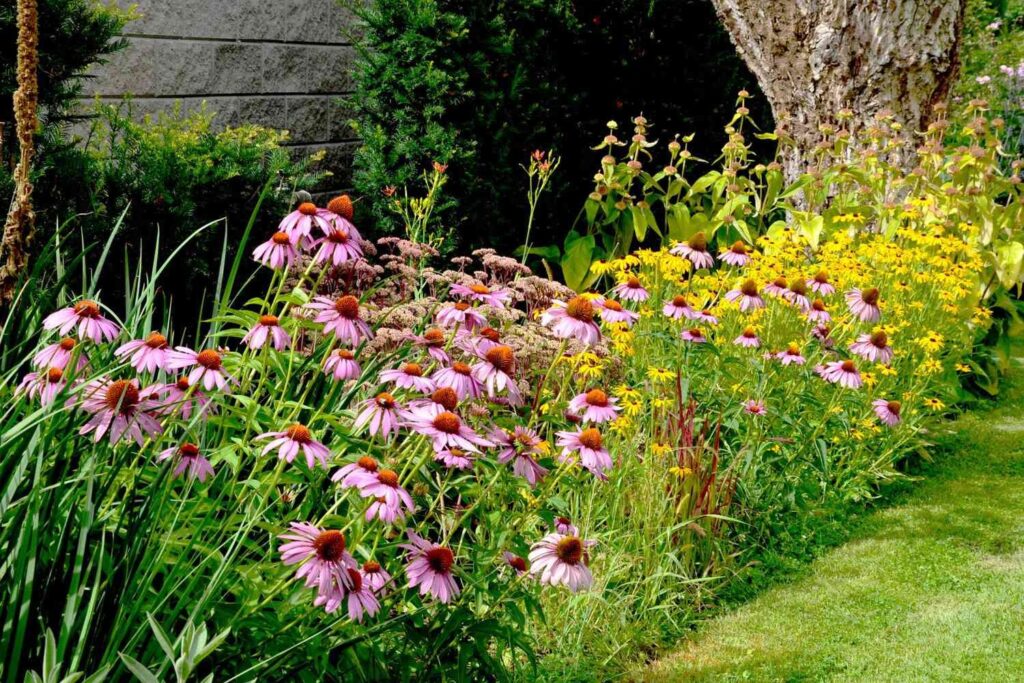
Step 6: Embrace Texas Native Landscaping Principles
Transitioning successfully requires a mindset shift.
Texas native landscaping prioritizes durability over temporary appearance. It accepts that natural cycles include seasonal change.
This approach values:
- Long-term root development
- Soil health
- Seasonal variation in color
- Drought tolerance
- Ecological balance
It’s not about perfection year-round.
It’s about performance year-round.
And that’s a big difference.
Step 7: Design for Maturity, Not Just Installation Day
One common mistake in yard transitions is designing only for how things look immediately after planting.
Low-water landscapes improve with time. As plants establish deeper roots, they require less supplemental water and become more resilient. Plan spacing carefully. Allow room for growth. Avoid overcrowding.
Overplanting often leads to unnecessary water competition and future removal costs.
Designing for maturity protects both aesthetics and budget.
Step 8: Understand the Financial Benefits
Reducing water demand isn’t just environmentally responsible — it’s financially smart.
Homeowners often see:
- Lower monthly water bills
- Reduced plant replacement costs
- Fewer disease issues
- Less fertilizer dependency
- Decreased long-term maintenance labor
When water use drops and plant survival improves, the savings compound over time.
And that’s where thoughtful planning really pays off.
Common Misconceptions About Low-Water Yards
Let’s clear up a few myths.
Myth: Low-water landscapes look dry or sparse.
Reality: Proper design creates fullness through texture and structure.
Myth: Native plants limit style.
Reality: There’s wide diversity in color, form, and seasonal interest.
Myth: Transitioning requires a full demolition.
Reality: Strategic phasing preserves existing assets while improving performance.
Change doesn’t have to be drastic to be effective.
Long-Term Performance Is the Goal
The real purpose of transitioning isn’t just aesthetics.
It’s stability.
A yard aligned with climate realities requires fewer interventions. It handles drought better. It recovers faster after extreme weather.
Instead of constantly correcting problems, you support a system designed to thrive where it’s planted.
And that changes everything.
Conclusion
Transitioning to a low-water landscape doesn’t require starting over. It requires strategy.
By evaluating what works, replacing high-demand areas thoughtfully, and aligning design choices with regional conditions, homeowners can create outdoor spaces that look refined while performing efficiently. Over time, reduced water use, stronger plant health, and lower maintenance demands make the shift more than worthwhile.
Because the best landscapes don’t fight the climate. They work with it.