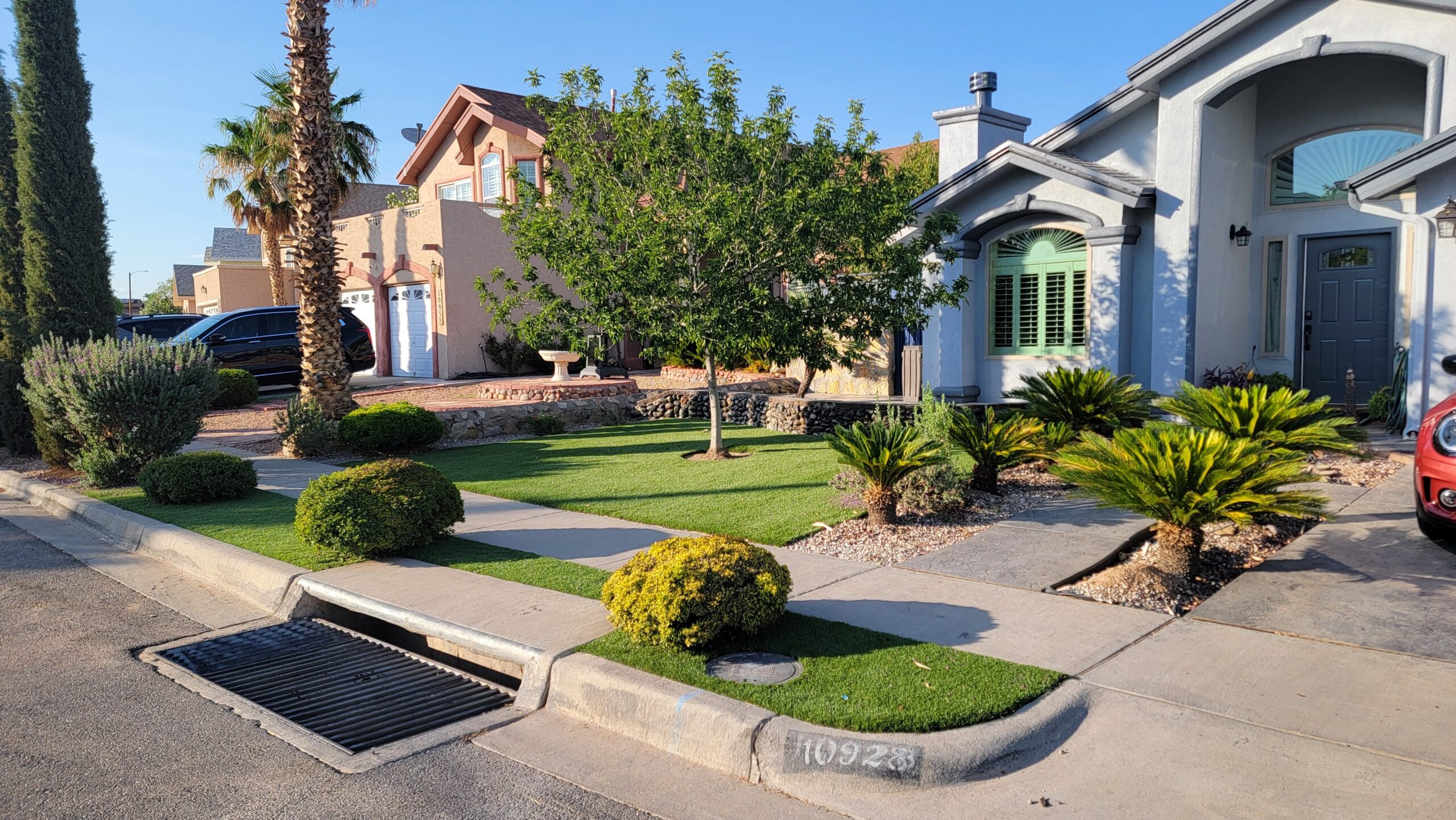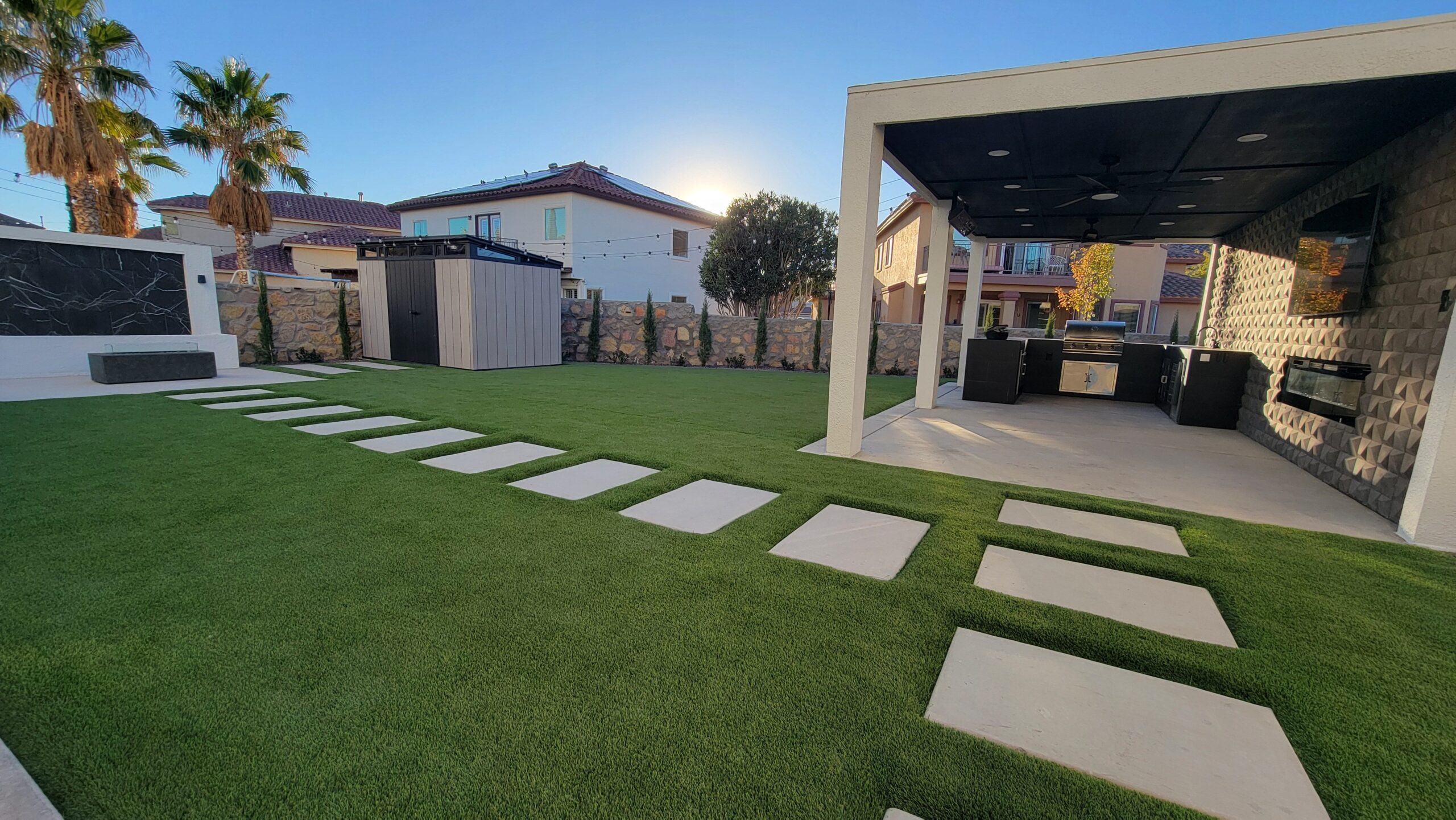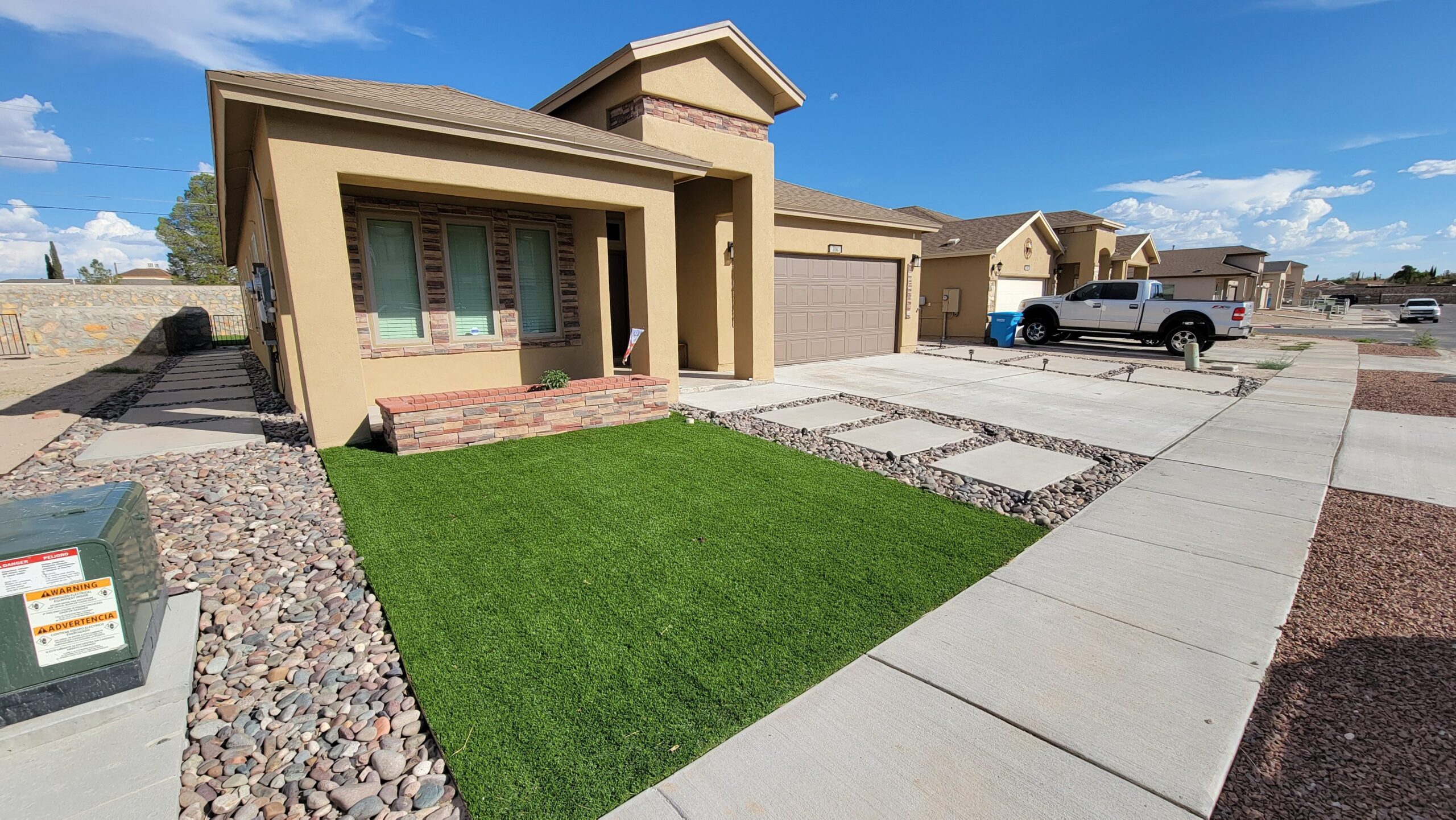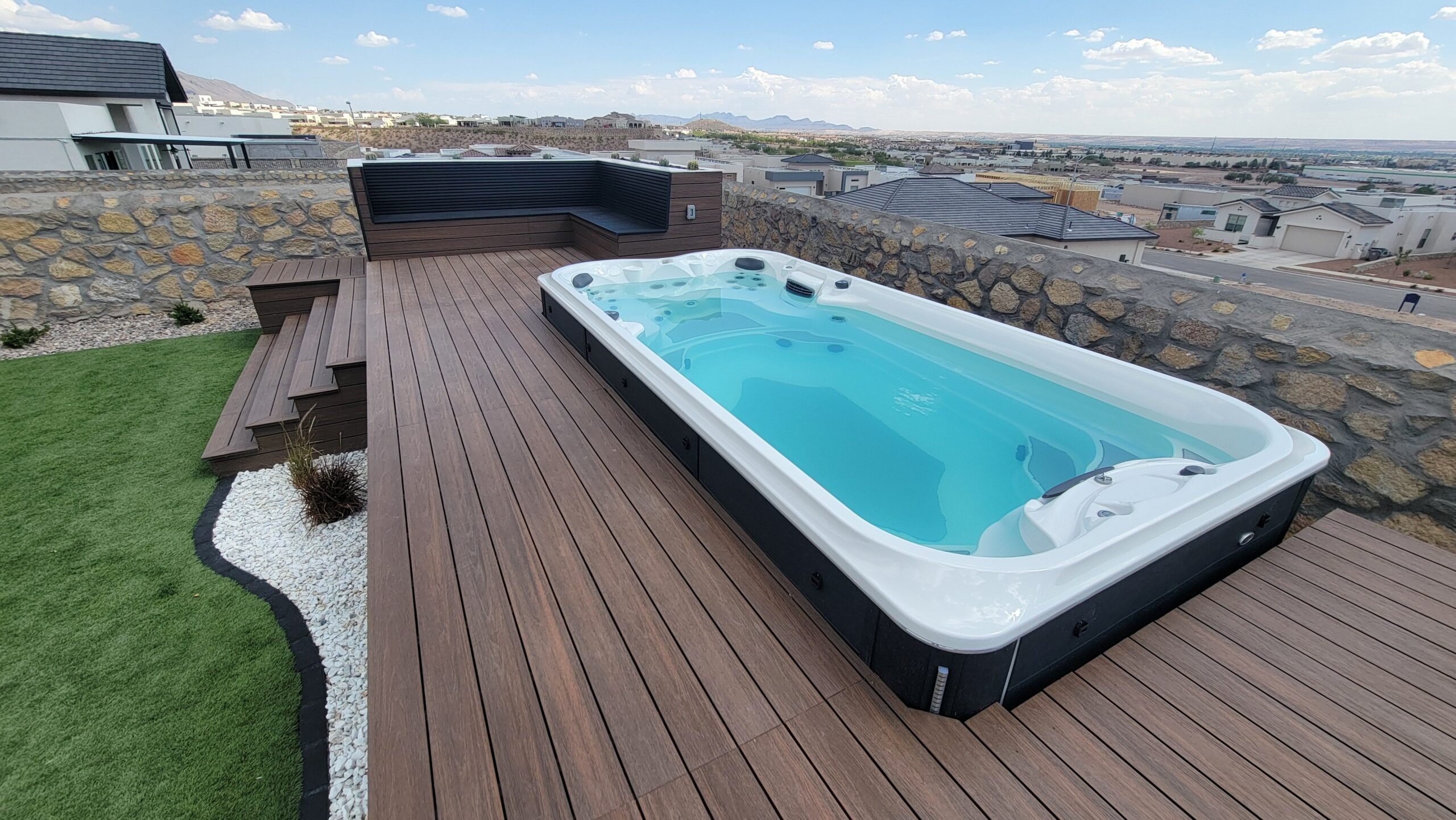
Modern homeowners juggle demanding schedules, family responsibilities, and full social calendars—leaving little time for constant yard upkeep. Fortunately, a well-planned low maintenance landscaping approach allows you to enjoy a beautiful outdoor space without sacrificing weekends to mowing, watering, or pruning. The key lies in intentional design choices that prioritize durability, efficiency, and long-term ease.
Today’s landscaping trends focus on simplifying outdoor care while maintaining visual appeal. With the right materials, plants, and layout, your yard can remain polished and inviting year-round, even with minimal attention.
Why Low-Maintenance Landscaping Is in High Demand
Busy homeowners are rethinking traditional lawns and high-care gardens in favor of solutions that reduce labor and water use. A low-maintenance yard isn’t about sacrificing beauty—it’s about designing smarter.
Benefits include:
- Less time spent on upkeep
- Lower water and utility bills
- Reduced need for fertilizers and chemicals
- Cleaner, more structured outdoor spaces
- Consistent appearance throughout the year
- Greater long-term cost savings
By focusing on efficiency from the start, homeowners can enjoy their outdoor areas without constant effort.
Start With Smart Planning and Layout
Low-maintenance success begins with thoughtful planning. Instead of filling a yard with high-care grass and delicate plants, designers focus on clean lines, defined zones, and durable materials.
Key planning principles include:
Fewer plant varieties
Limiting the number of plant species simplifies care routines and creates visual cohesion.
Defined zones
Separating lounging, walking, and decorative areas prevents wear and tear across the yard.
Reduced turf areas
Minimizing grass lowers mowing, watering, and fertilizing demands.
Efficient circulation
Clear pathways reduce soil compaction and protect planted areas.
A structured layout allows your yard to look intentional while remaining easy to manage.
Choosing Plants That Thrive With Minimal Care
Plant selection is one of the most important aspects of a low-effort yard. Choosing species adapted to local climate conditions reduces watering, pruning, and replacement needs.
A drought tolerant landscaping approach emphasizes plants that naturally survive with little supplemental water. These options often develop deeper root systems and stronger resistance to pests.
Ideal low-maintenance plant traits include:
- Slow growth
- Minimal pruning needs
- Resistance to heat and wind
- Long lifespan
- Seasonal interest without frequent intervention
Native shrubs, ornamental grasses, succulents, and hardy perennials provide texture and color with minimal care.
Hardscaping: Beauty Without the Upkeep
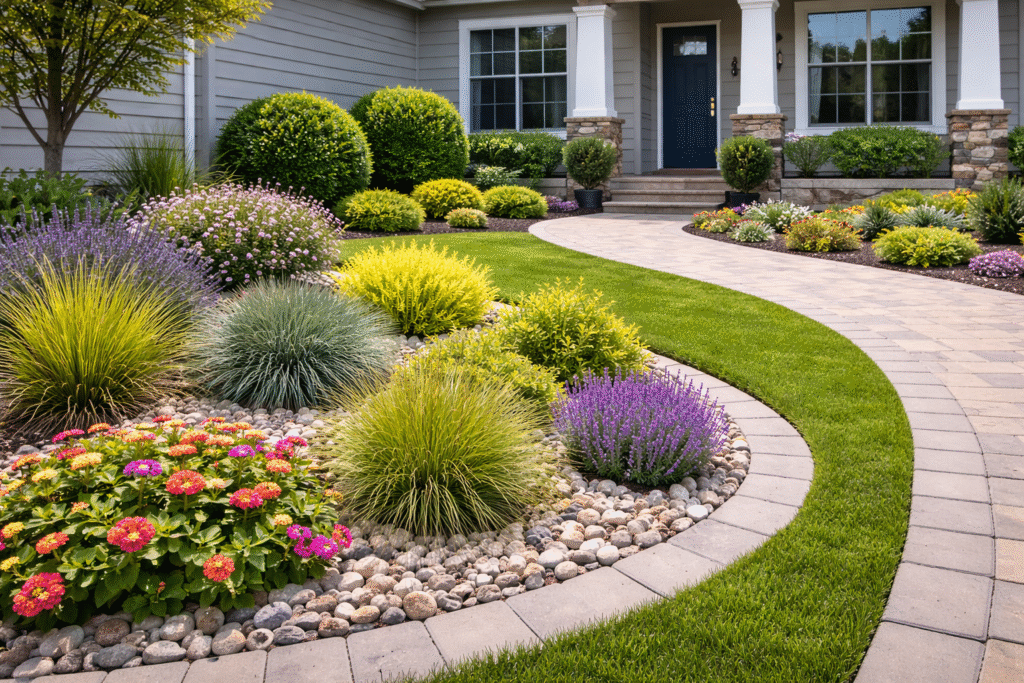
Hardscaping plays a central role in reducing maintenance demands. Patios, walkways, gravel beds, and stone features replace high-care planting areas while adding structure and elegance.
Popular low-maintenance hardscape elements include:
Concrete or stone patios
These surfaces require little more than occasional cleaning.
Decorative gravel or decomposed granite
Gravel beds eliminate mowing and provide excellent drainage.
Paver walkways
Durable and visually appealing, they withstand heavy use with minimal wear.
Retaining walls and raised beds
These reduce erosion and simplify plant maintenance.
By integrating hardscapes strategically, homeowners create clean, long-lasting outdoor environments.
Mulch and Ground Cover for Effortless Control
Bare soil often leads to weeds, erosion, and moisture loss. Mulch and ground cover provide simple solutions that dramatically reduce upkeep.
Benefits include:
- Weed suppression
- Improved soil moisture retention
- Temperature regulation for plant roots
- Enhanced visual consistency
Gravel mulch, bark chips, and low-growing ground covers help maintain a neat appearance with minimal intervention.
Efficient Irrigation for Stress-Free Watering
Watering is one of the most time-consuming aspects of yard care. Modern irrigation systems simplify this task by delivering water only where and when it’s needed.
Effective landscape solutions often include:
Drip irrigation
Targets plant roots directly, reducing evaporation and waste.
Smart controllers
Adjust watering schedules automatically based on weather conditions.
Zoned systems
Different areas receive customized water amounts.
Proper grading
Prevents pooling and runoff that damage plants.
An efficient system keeps plants healthy while saving time and resources.
Minimalist Design for Maximum Impact
Low-maintenance yards often embrace minimalist aesthetics. Clean lines, repetition, and restrained color palettes create a calm, organized appearance that looks intentional year-round.
Minimalist design strategies include:
- Repeating plant shapes and materials
- Limiting color variations
- Using symmetry and balance
- Highlighting texture instead of dense planting
- Leaving open space for visual breathing room
This approach ensures your yard always looks tidy—even between maintenance cycles.
Lighting That Enhances Without Extra Work
Outdoor lighting adds safety and ambiance without increasing maintenance demands. Modern fixtures are durable, energy-efficient, and designed for long-term performance.
Low-maintenance lighting ideas include:
Solar-powered fixtures
Require no wiring or ongoing energy costs.
LED pathway lights
Long lifespan with minimal replacement needs.
Integrated step lighting
Built into hardscapes for seamless function.
Lighting enhances your yard’s usability at night while requiring virtually no upkeep.
Practical Yard Ideas for Busy Lifestyles
When designing a low-maintenance yard, functionality should guide every decision. The most successful yard ideas prioritize how homeowners actually use their outdoor space.
Popular concepts include:
- Simple seating areas instead of large lawns
- Small garden zones rather than sprawling beds
- Built-in benches instead of movable furniture
- Covered patios that reduce cleaning needs
- Storage solutions to keep tools and cushions organized
These ideas create outdoor spaces that support relaxation—not chores.
Long-Term Maintenance Tips for Easy Living
Even low-maintenance yards require occasional attention. However, a few simple habits keep everything running smoothly:
- Seasonal inspections of irrigation systems
- Occasional pruning to maintain shape
- Clearing debris from hardscape joints
- Refreshing mulch every couple of years
- Checking drainage after heavy rain
These small efforts prevent larger issues and preserve the yard’s appearance.
Conclusion
Low-maintenance landscaping offers a smarter way to enjoy outdoor living without the burden of constant upkeep. By combining thoughtful planning, durable materials, efficient irrigation, and resilient plant choices, homeowners can create yards that remain attractive with minimal effort. The result is an outdoor space that supports modern lifestyles—beautiful, functional, and stress-free—allowing you to spend more time enjoying your home and less time maintaining it.