Today’s homeowners are redefining how they use their property. Instead of limiting daily life to interior rooms, more people are investing in outdoor living spaces that function as true extensions of the home. When designed correctly, these areas increase usable square footage, improve lifestyle quality, and add long-term value—all without the cost of a traditional home addition.
An intentional outdoor environment can support dining, relaxation, entertainment, and even work-from-home needs. The key lies in thoughtful planning, functional zoning, and seamless integration with the house itself.
Why Outdoor Living Has Become Essential
Modern lifestyles demand flexibility. Families want spaces that adapt to gatherings, quiet moments, and everyday routines. Outdoor living areas answer this need by creating environments that feel comfortable, purposeful, and connected.
Well-designed outdoor spaces offer:
- Additional functional square footage
- Improved flow between indoor and outdoor areas
- More opportunities for social connection
- Increased enjoyment of the property year-round
- Enhanced visual appeal and comfort
Rather than unused yards, homeowners gain practical spaces that support daily life.
Turning Backyard Areas Into Functional Rooms
Unused lawns can be transformed into defined backyard areas that function like outdoor rooms. By giving each area a clear purpose, the entire yard becomes more usable and inviting.
Popular outdoor room concepts include:
Outdoor dining zones
Perfect for family meals and hosting guests.
Lounge areas
Designed for relaxation, reading, or conversation.
Activity zones
Flexible spaces for children, fitness, or hobbies.
Quiet retreats
Ideal for unwinding away from high-traffic areas.
These zones make the outdoor environment feel organized and intentional rather than open and undefined.
Outdoor Design That Blurs the Line Between Inside and Out
Strong outdoor design creates continuity between the home’s interior and exterior. When materials, colors, and layouts complement each other, outdoor areas feel like natural extensions of indoor living.
Design elements that support this connection include:
- Flooring materials that echo interior finishes
- Consistent color palettes
- Aligned sightlines from inside the home
- Large access points such as sliding or folding doors
- Strategic placement of furniture and lighting
This visual and functional harmony enhances the sense of expanded living space.
Creating Outdoor Entertainment Spaces for Every Occasion
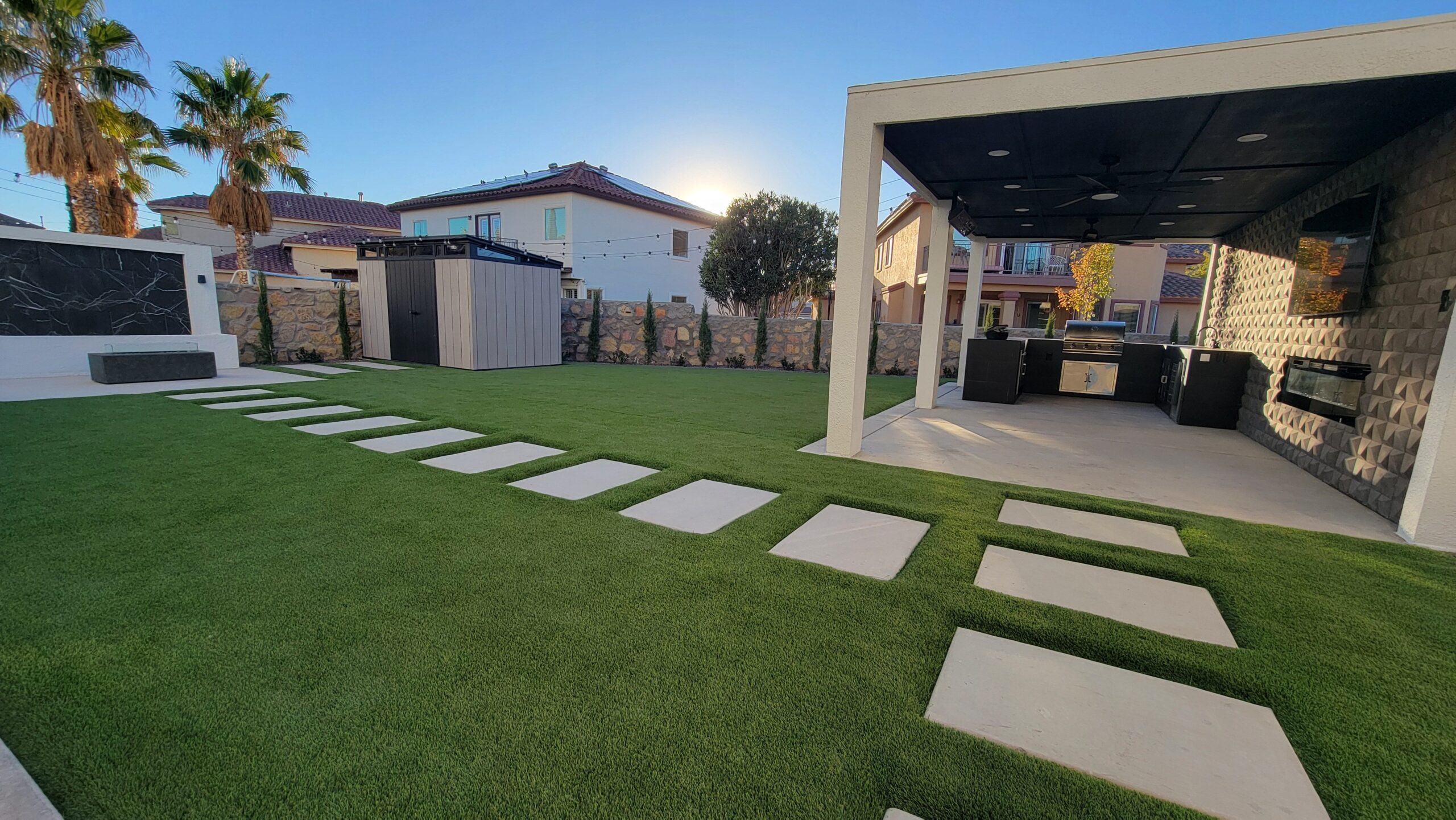
Well-planned outdoor entertainment spaces allow homeowners to host gatherings without crowding interior rooms. These areas are designed to handle movement, seating, and activity with ease.
Key features often include:
Defined gathering areas
Encourage conversation and interaction.
Flexible seating layouts
Adapt to small groups or large events.
Integrated lighting
Extends usability into the evening.
Durable surfaces
Support frequent use and easy maintenance.
Entertainment-focused spaces increase both enjoyment and usability, making the outdoors a natural place to gather.
How Residential Landscape Upgrades Increase Usable Space
Strategic residential landscape upgrades do more than improve appearance—they directly expand how a property functions. Hardscapes, shade structures, and built-in features transform open yards into livable environments.
Effective upgrades may include:
- Patios and terraces
- Walkways connecting activity zones
- Retaining walls that create level areas
- Pergolas or covered structures
- Built-in seating or planters
Each upgrade adds definition and purpose, turning unused space into everyday living areas.
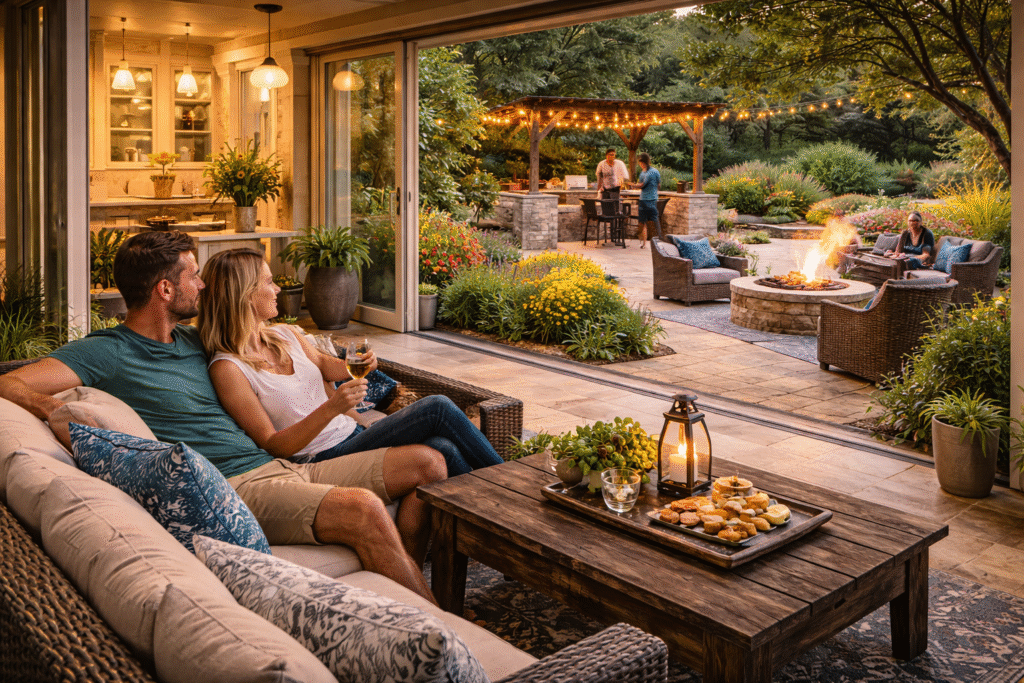
Backyard Remodeling Ideas That Add Practical Value
Unlike cosmetic changes, thoughtful backyard remodeling ideas focus on function as much as style. Remodeling allows homeowners to adapt their outdoor spaces to changing needs.
Smart remodeling concepts include:
Replacing unused lawn with functional surfaces
Creates room for furniture and activities.
Improving circulation
Ensures smooth movement between areas.
Adding shade or weather protection
Extends usability throughout the year.
Incorporating storage solutions
Keeps outdoor areas organized and clutter-free.
Remodeling transforms the yard into a practical extension of the home rather than a decorative afterthought.
Custom Outdoor Features That Reflect Lifestyle
Every household uses outdoor space differently. Custom outdoor solutions ensure that designs align with how homeowners actually live, entertain, and relax.
Customization may involve:
- Tailored layouts based on family size
- Features designed for specific hobbies or routines
- Materials selected for durability and style preferences
- Layouts that support future needs
Custom design prevents wasted space and ensures long-term satisfaction.
Designing for Comfort and Daily Use
Extending usable square footage outdoors requires prioritizing comfort. Spaces that are visually appealing but uncomfortable rarely get used.
Comfort-driven design focuses on:
- Shade and sun balance
- Wind protection
- Ergonomic furniture placement
- Proper lighting levels
- Surface temperatures underfoot
When comfort is built into the design, outdoor areas become part of daily routines—not just special occasions.
Long-Term Benefits of Outdoor Living Investments
Outdoor living spaces offer both lifestyle and financial benefits. Homes with well-designed outdoor environments are more attractive to buyers and more enjoyable for current owners.
Long-term advantages include:
- Increased property value
- Greater lifestyle flexibility
- Enhanced visual appeal
- Improved use of existing land
- Reduced need for indoor expansions
These benefits make outdoor living one of the most cost-effective ways to increase functional square footage.
Conclusion
Extending usable square footage doesn’t always require building new walls. Thoughtfully designed outdoor living environments allow homeowners to enjoy more functional space while enhancing comfort, style, and value. By transforming yards into purposeful extensions of the home, outdoor areas become places to gather, relax, and live—making every square foot of the property work harder and feel more complete.