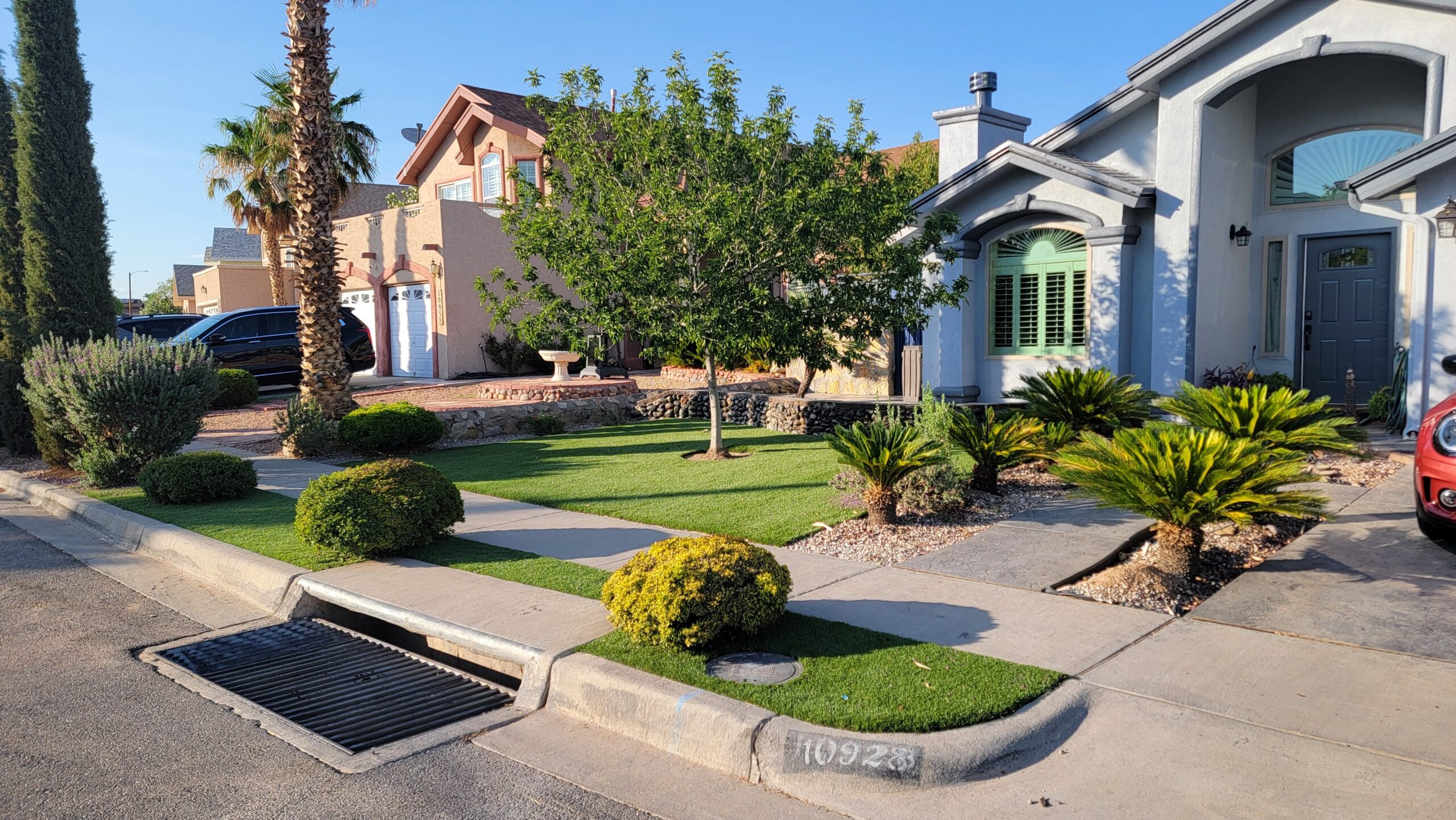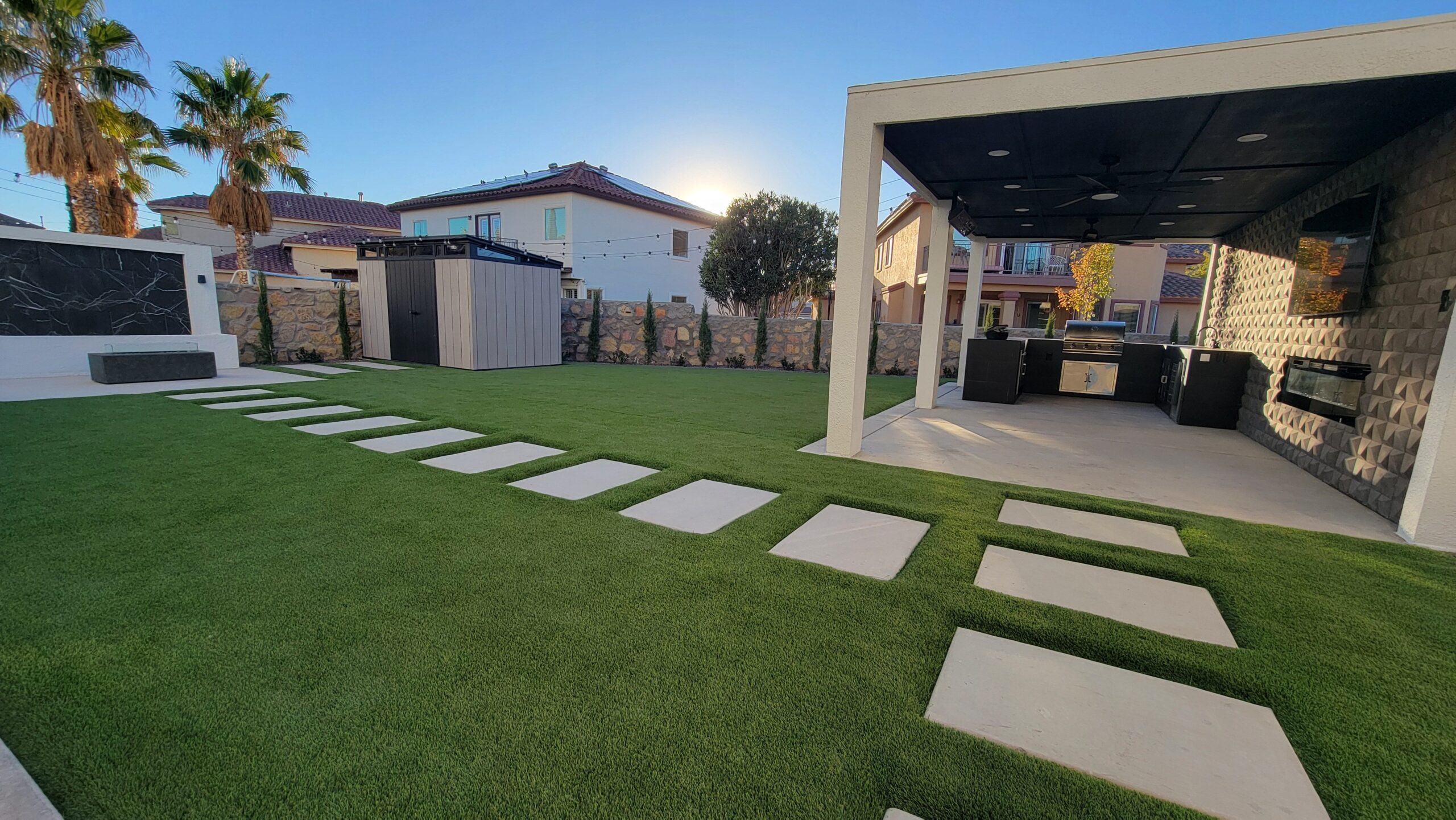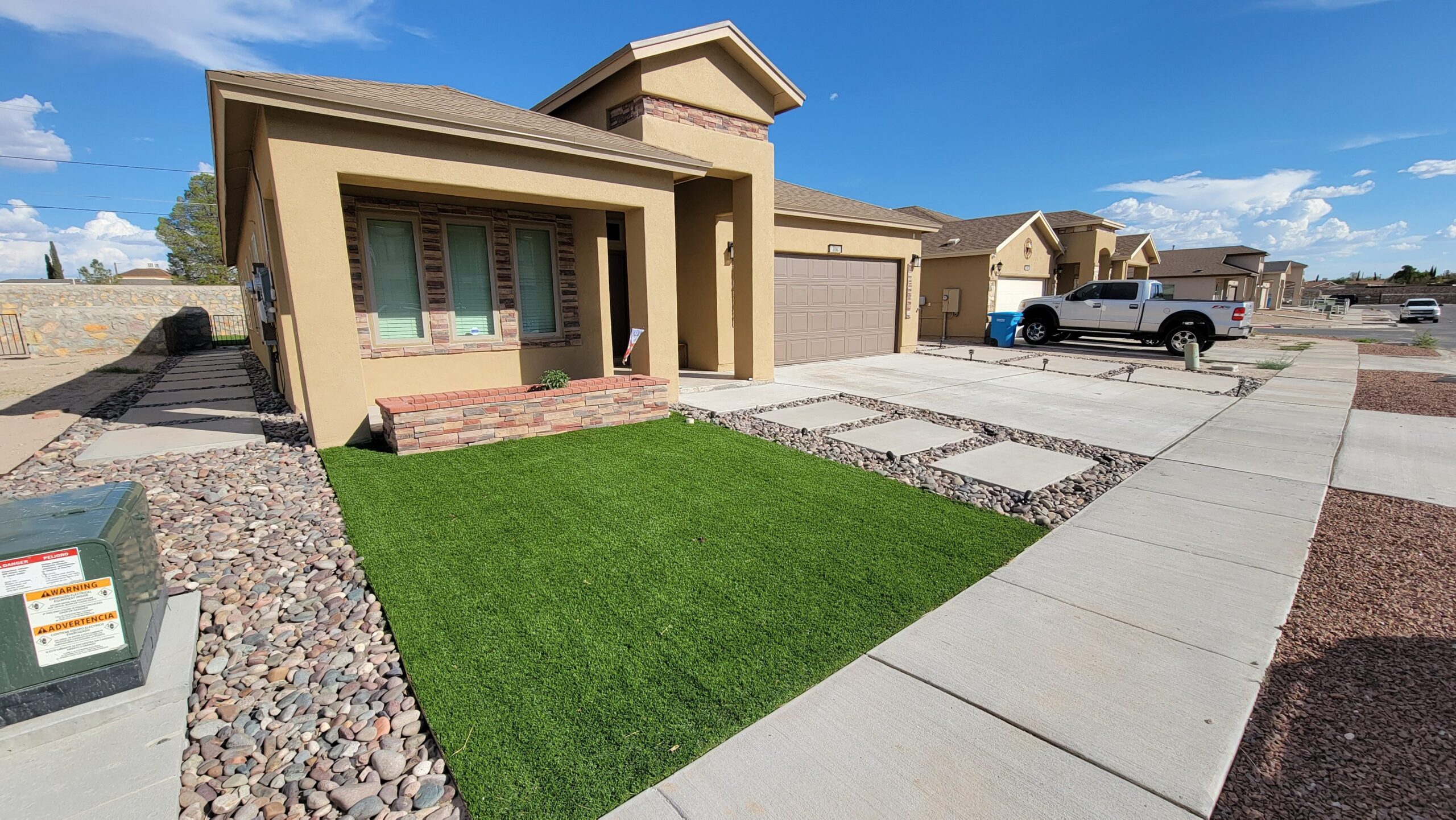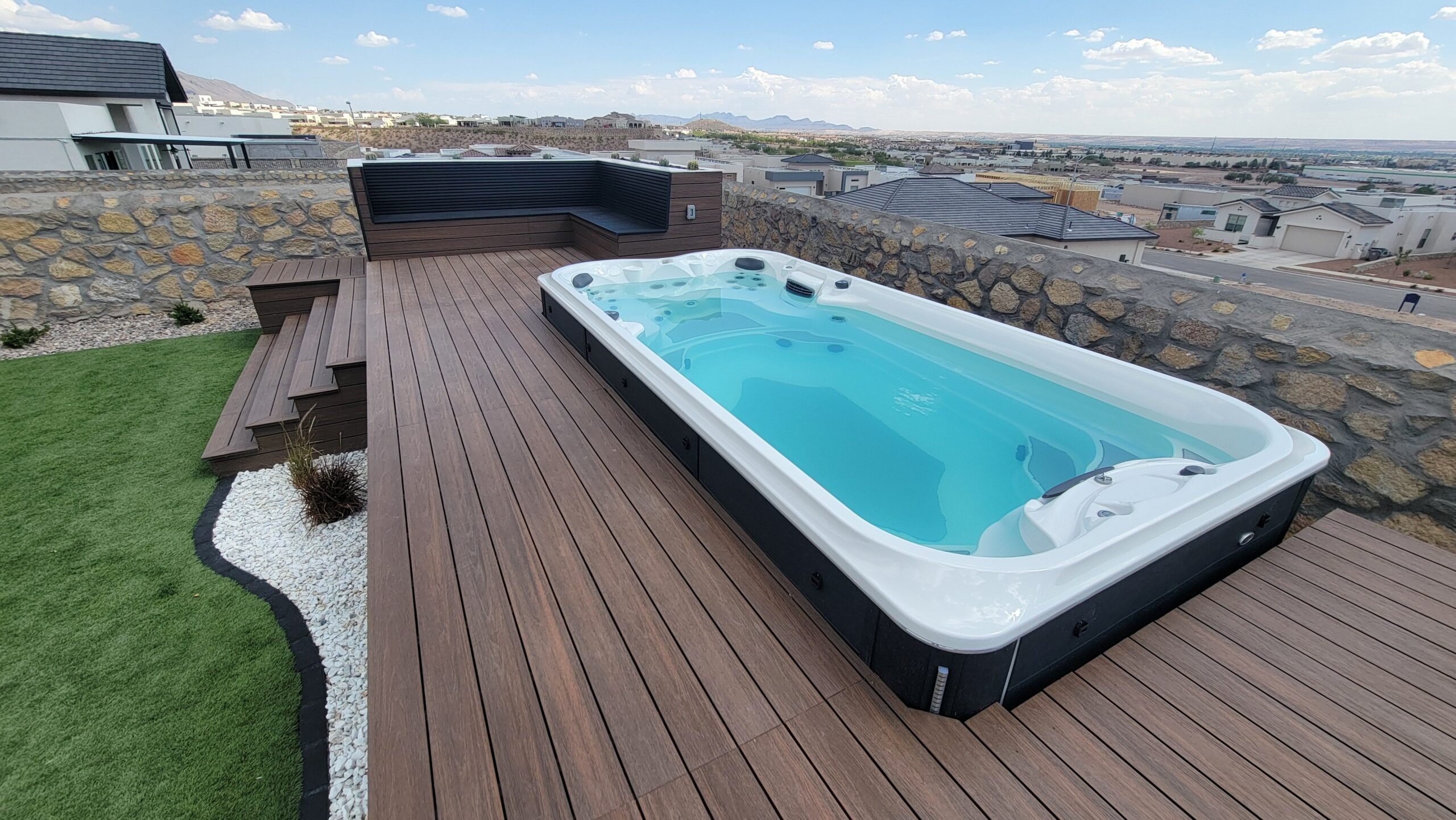
As climate awareness grows and water resources become increasingly valuable, homeowners are rethinking how their outdoor spaces are designed and maintained. Today, thoughtful sustainable landscape design is not just an environmental statement—it’s a practical, future-focused approach that balances beauty, function, and responsible resource use.
Water-efficient landscapes prioritize intelligent planning, resilient materials, and systems that reduce waste while maintaining visual appeal. Rather than relying on excessive irrigation or high-maintenance lawns, modern landscapes are engineered to work with natural conditions, not against them.
Why Water Efficiency Matters More Than Ever
Outdoor spaces account for a significant portion of residential water use. Traditional landscaping methods often depend on frequent watering, shallow-root plants, and inefficient layouts that lead to runoff and evaporation. In contrast, modern approaches focus on conservation without sacrificing comfort or aesthetics.
Key reasons homeowners are shifting toward water-conscious design include:
- Rising water costs
- Increased drought awareness
- Environmental responsibility
- Long-term maintenance savings
- Healthier, more resilient landscapes
- Compliance with local conservation guidelines
Adopting water efficient landscaping practices allows homeowners to protect resources while enjoying a refined outdoor environment.
Designing With Water in Mind From the Start
True efficiency begins at the planning stage. Instead of retrofitting solutions later, designers consider water use as a core design principle.
Effective planning strategies include:
Site analysis
Understanding sun exposure, soil composition, slope, and drainage patterns.
Zoning by water needs
Grouping plants with similar hydration requirements reduces overwatering.
Reducing unnecessary turf
Lawns are often the most water-intensive element in a landscape.
Strategic hardscaping
Patios, walkways, and seating areas reduce irrigated surface area.
This intentional layout ensures water is used precisely where it delivers the most benefit.
Smart Irrigation: Precision Over Volume
Modern irrigation has moved far beyond traditional sprinkler systems. Today’s smart irrigation systems use technology to deliver water efficiently, responding to real-time conditions instead of rigid schedules.
Advanced systems offer:
- Weather-based scheduling
- Soil moisture sensors
- Zoned irrigation control
- Drip systems that target roots directly
- Automated adjustments for seasonal changes
These technologies dramatically reduce waste caused by evaporation, runoff, and overwatering while maintaining plant health.
Plant Selection for Sustainable Performance
Plants play a defining role in water-efficient landscapes. Choosing species adapted to local climate conditions reduces the need for supplemental watering and ongoing intervention.
Key plant characteristics include:
- Deep root systems
- Heat and drought tolerance
- Slow to moderate growth
- Minimal pruning requirements
- Seasonal visual interest
When combined thoughtfully, plantings become an essential part of eco friendly landscaping, supporting biodiversity while reducing resource demand.
Xeriscaping: Function Meets Beauty
One of the most effective approaches to water-conscious outdoor design is xeriscape design. Often misunderstood as sparse or purely desert-themed, modern xeriscaping is versatile, layered, and visually rich.
Core principles include:
Minimal irrigation
Landscapes rely primarily on natural rainfall once established.
Efficient plant grouping
Plants are selected and arranged based on similar needs.
Mulching and ground cover
These reduce evaporation and regulate soil temperature.
Thoughtful hardscape integration
Stone, gravel, and pavers replace high-water turf areas.
Xeriscaping creates landscapes that feel intentional, elegant, and resilient.
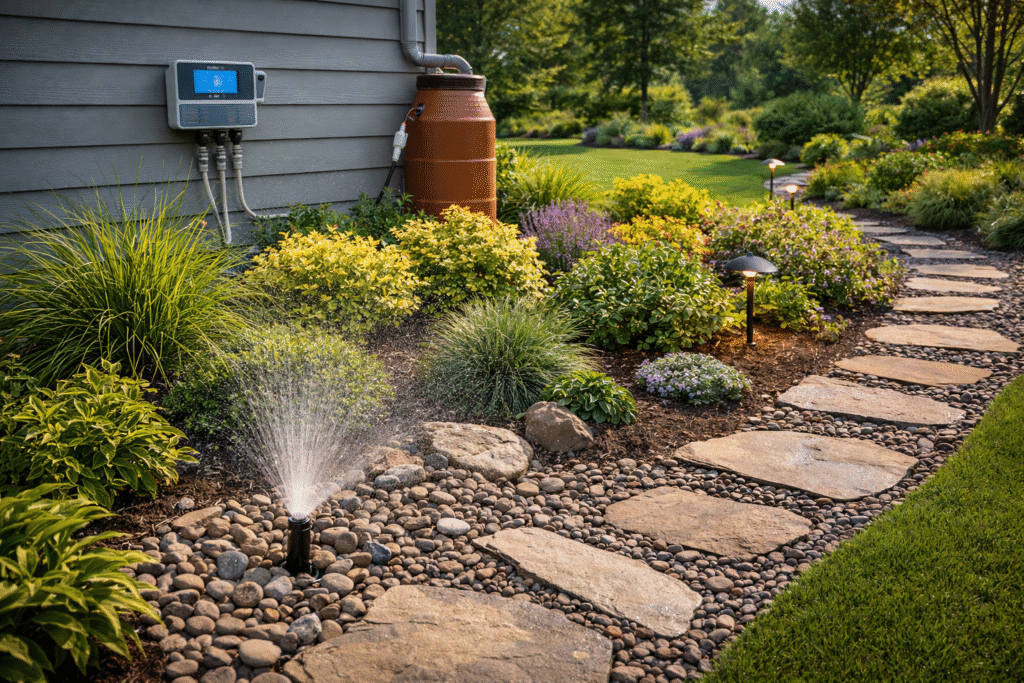
Hardscaping as a Water-Saving Strategy
Hardscape elements do more than add structure—they actively contribute to water conservation by reducing irrigated areas.
Water-conscious hardscape choices include:
- Permeable pavers that allow infiltration
- Gravel paths and seating zones
- Raised planters with controlled irrigation
- Retaining walls that manage runoff
- Shaded patios that reduce evaporation
By balancing plant life with durable surfaces, landscapes achieve both efficiency and functionality.
Managing Outdoor Water Responsibly
Beyond irrigation, landscapes can be designed to manage outdoor water more effectively through smart grading and runoff control.
Effective strategies include:
Proper slope management
Directs water toward plant beds rather than paved surfaces.
Rainwater harvesting
Captures rainfall for reuse in irrigation.
Permeable surfaces
Allow water to penetrate soil instead of flowing away.
Drainage solutions
Prevent pooling and erosion that waste water and damage plants.
These measures ensure every drop is used with intention.
Soil Health: The Hidden Key to Efficiency
Healthy soil retains moisture more effectively, reducing the need for frequent watering. Soil preparation is often overlooked, yet it plays a critical role in sustainable landscapes.
Best practices include:
- Amending soil with organic matter
- Improving aeration and structure
- Using mulch to protect moisture
- Avoiding compaction in planted areas
Well-prepared soil supports plant resilience and long-term water efficiency.
Lighting and Sustainability Working Together
Outdoor lighting complements water-efficient design by extending usability without increasing resource consumption. LED fixtures and solar-powered lights offer illumination with minimal environmental impact.
Sustainable lighting benefits include:
- Low energy consumption
- Long fixture lifespan
- Reduced maintenance needs
- Enhanced nighttime safety and ambiance
When combined with water-efficient strategies, lighting completes a holistic sustainable landscape.
Long-Term Benefits of Water-Efficient Landscapes
Choosing sustainable solutions delivers lasting advantages beyond conservation alone.
Homeowners benefit from:
- Lower utility costs
- Reduced maintenance demands
- Improved property value
- Healthier plant growth
- Greater resilience during drought
- Landscapes that mature gracefully over time
These advantages make water-efficient design a smart investment for both the environment and the homeowner.
Conclusion
Water-efficient landscaping represents the future of outdoor design—one that respects natural resources while delivering beauty, comfort, and durability. Through intentional planning, smart technology, and resilient plant choices, homeowners can create landscapes that thrive with less water and less effort. The result is an outdoor space that feels responsible, refined, and built to last—proving that sustainability and sophistication can exist in perfect harmony.