Artificial turf vs. natural grass is the focus of this guide for El Paso homeowners planning a project that has to handle desert heat, wind, and limited water.
Choosing between artificial turf and natural grass is an important decision when planning a backyard renovation in El Paso, TX. Homeowners want attractive outdoor spaces that are comfortable, durable, and easy to maintain, but the city’s desert climate creates unique challenges for traditional landscaping. With hot summers, limited rainfall, and ongoing water conservation efforts, finding the right lawn solution requires more than simply choosing the option that looks best.
Artificial turf has become a popular choice for residential landscaping in El Paso because it offers a consistently green appearance with minimal irrigation. However, natural grass continues to appeal to homeowners who prefer a softer, cooler surface and the environmental benefits of living vegetation. Understanding the differences in installation costs, maintenance, water consumption, and long-term performance can help you determine which option is best for your property.
Understanding El Paso’s Climate and Its Impact on Landscaping
El Paso’s desert environment plays a significant role in how residential lawns perform throughout the year. High summer temperatures, intense sunlight, dry conditions, and occasional periods of heavy rainfall can make maintaining a healthy lawn challenging.
Natural grass requires consistent irrigation, appropriate soil conditions, and seasonal maintenance to remain attractive. Even drought-tolerant grass varieties need proper care, particularly during the hottest months. Artificial turf eliminates the need for regular lawn irrigation and mowing, making it an appealing alternative for homeowners interested in low-maintenance backyard landscaping.
Water conservation is another important factor. El Paso has established outdoor watering regulations to encourage responsible water use, making efficient landscape design an important consideration for residential properties. Choosing between synthetic grass and natural grass should involve evaluating both the immediate installation requirements and the long-term demands of each option.
Artificial Turf for El Paso Homes: Benefits and Considerations
Artificial turf, also known as synthetic grass, is manufactured to provide the appearance of a natural lawn without requiring traditional watering, mowing, or fertilization. Modern artificial grass products are available in different blade lengths, colors, densities, and textures, allowing homeowners to select a style that complements their outdoor living space.
Advantages of Artificial Turf
One of the biggest advantages of artificial turf installation in El Paso is reduced water consumption. Unlike natural grass, synthetic lawns do not require regular irrigation to remain green, which can help homeowners conserve water and reduce landscaping expenses over time.
Artificial grass also eliminates many routine lawn maintenance tasks. There is no need for mowing, overseeding, or applying traditional lawn fertilizers, making it particularly convenient for busy homeowners and families. Additionally, artificial turf maintains a consistent appearance throughout the year, helping outdoor spaces look polished regardless of seasonal weather conditions.
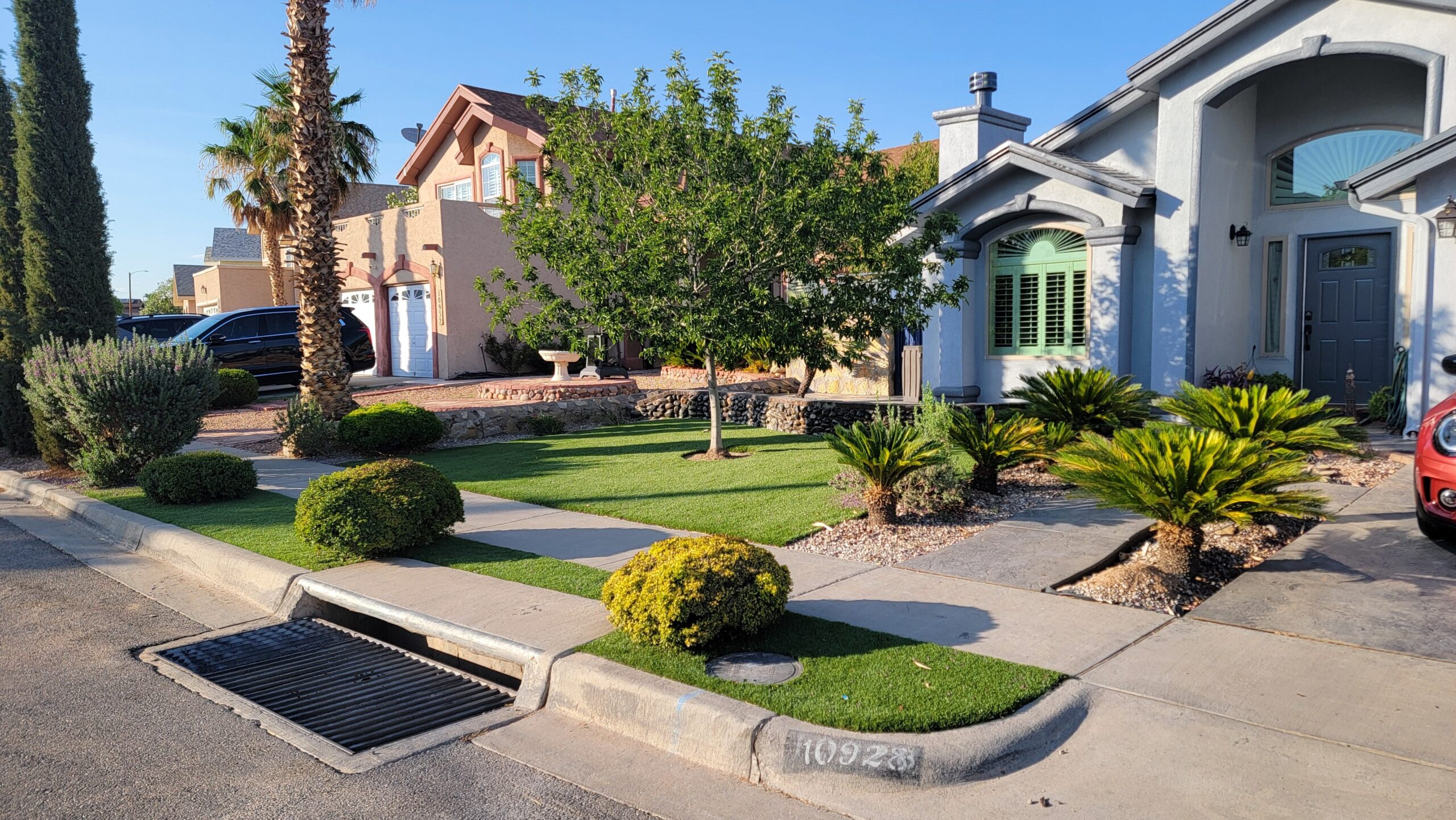
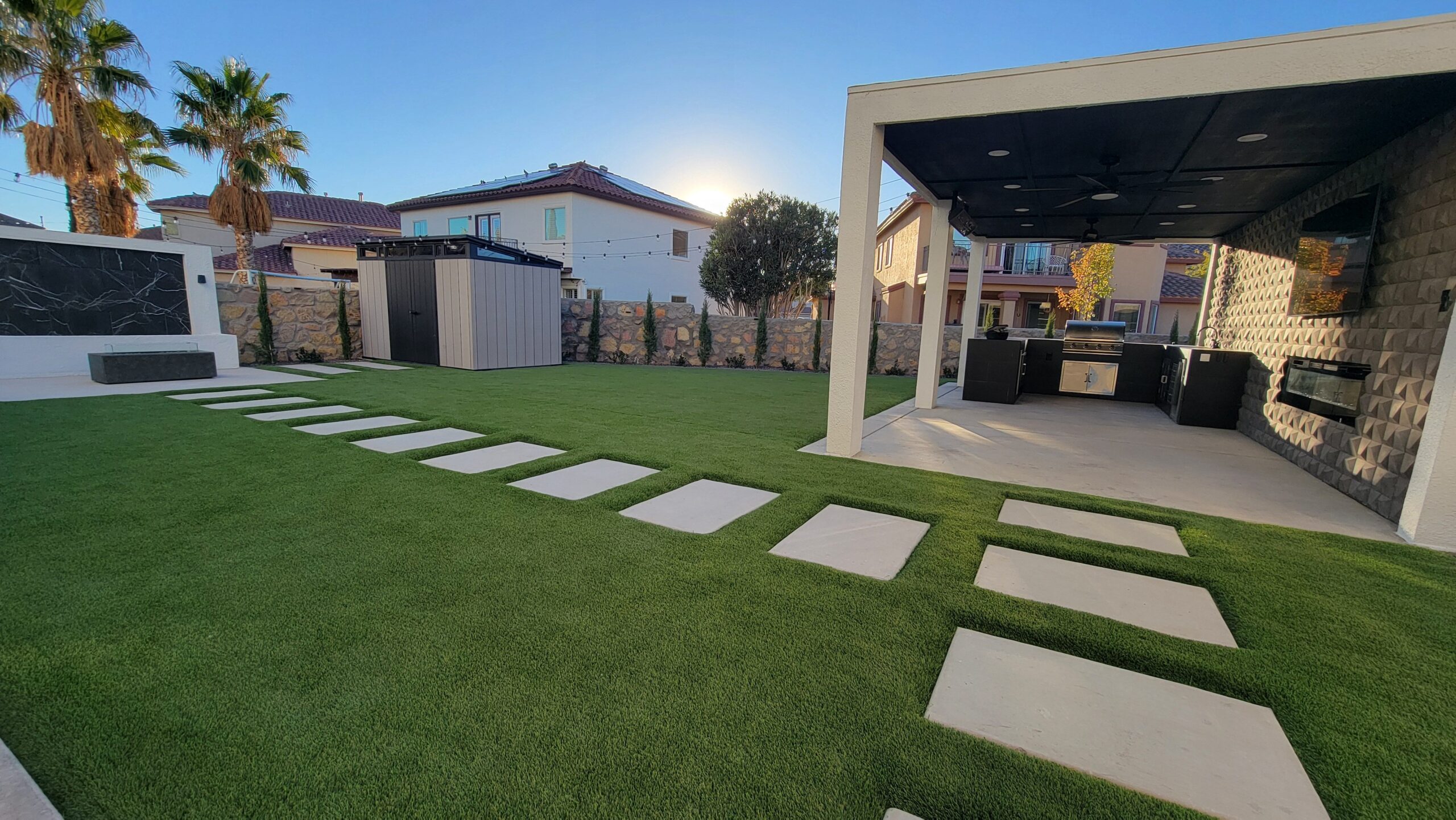
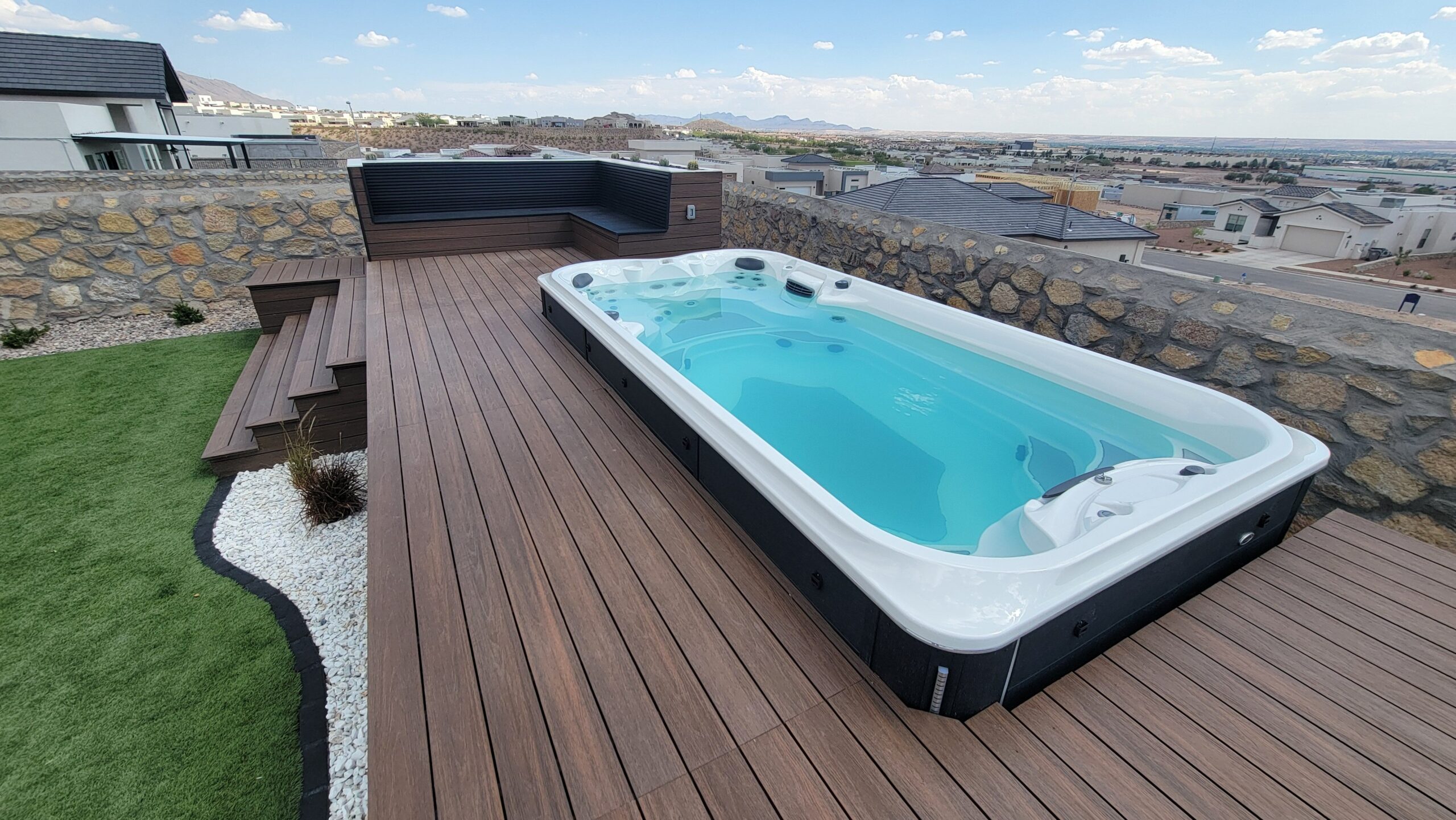
Synthetic turf can also be incorporated into a variety of backyard remodeling projects, including poolside landscaping, decorative lawn areas, outdoor entertainment spaces, and dedicated pet zones. When installed with appropriate drainage and a properly prepared foundation, artificial grass provides a practical surface for many residential applications.
Disadvantages of Artificial Turf
Despite its advantages, artificial turf has several limitations that homeowners should consider. One of the most significant concerns in El Paso is surface temperature. Synthetic grass can become considerably hotter than natural grass when exposed to direct sunlight, particularly during summer afternoons. This can make the surface uncomfortable for children, pets, and anyone walking barefoot.
Artificial turf also requires an initial investment that is generally higher than installing grass seed or conventional sod. Although ongoing maintenance costs may be lower, homeowners should evaluate the upfront installation expense and the eventual need for replacement.
Additionally, synthetic grass is not completely maintenance-free. Dust, leaves, pet waste, and other debris must be removed periodically, while brushing and occasional rinsing may be necessary to maintain its appearance. Unlike living grass, artificial turf does not provide natural soil cooling or the same habitat benefits as vegetation, and certain synthetic materials can contribute to plastic waste as they deteriorate.
Natural Grass for El Paso Homes: Benefits and Considerations
Natural grass remains a traditional landscaping choice because of its appearance, texture, and ability to create a comfortable outdoor environment. A healthy lawn can provide an inviting space for outdoor activities while complementing patios, gardens, walkways, and other backyard features.
For homeowners considering natural grass installation in El Paso, selecting a variety suited to the regional climate is especially important. Warm-season grasses such as Bermuda grass and certain varieties of Zoysia grass are commonly considered for landscapes in hot, sunny environments, although their performance depends on soil conditions, irrigation, sunlight, and maintenance.
Advantages of Natural Grass
One of the most important benefits of natural grass is its ability to provide a cooler surface than artificial turf. Living grass releases moisture through evapotranspiration, helping moderate surface temperatures and create a more comfortable area for outdoor activities during warm weather.
Natural lawns also offer a softer surface for walking, playing, and relaxing. For families with children or pets, this can be an important consideration when deciding how to design a backyard.
From an environmental perspective, healthy natural grass can support soil biology, absorb some rainfall, and contribute to the appearance of a landscaped property. Unlike synthetic turf, natural grass grows and renews itself, although maintaining that growth requires adequate resources and ongoing care.
Disadvantages of Natural Grass
The primary challenge of maintaining natural grass in El Paso is water consumption. The combination of limited rainfall, intense sunlight, and high temperatures can make regular irrigation necessary, even when drought-tolerant grass varieties are selected.
Natural grass also requires recurring maintenance, including mowing, fertilization when appropriate, weed management, and occasional lawn repairs. These responsibilities can add to the overall cost of maintaining a residential landscape.
Another consideration is seasonal appearance. Some warm-season grass varieties become dormant during cooler months, causing lawns to lose their green color temporarily. Heavy foot traffic, pets, compacted soil, and insufficient irrigation can also create damaged or uneven areas that require additional attention.
Artificial Turf vs. Natural Grass: Installation Costs in El Paso
Cost is often one of the deciding factors when choosing between artificial grass and natural grass for a backyard renovation. While natural grass generally has a lower initial installation cost, synthetic turf may offer savings over time through reduced watering and maintenance.
Artificial turf installation typically involves removing existing vegetation, preparing and compacting the base, addressing drainage, installing the turf material, and securing the finished surface. The cost depends on the quality of the synthetic grass, the size of the installation area, and the amount of preparation required.
Natural grass installation may involve soil preparation, grading, irrigation adjustments, and either sod placement or seeding. Although the initial investment may be lower, ongoing watering, mowing, and lawn care expenses should be included when evaluating the total cost.
For a more accurate comparison, El Paso homeowners should request project-specific estimates that account for installation, expected maintenance, and the anticipated lifespan of each landscaping option.
Which Option Requires Less Maintenance?
When comparing artificial turf vs. natural grass maintenance, synthetic grass generally requires less routine work. Homeowners do not need to mow, fertilize, or regularly irrigate artificial turf, although periodic cleaning, debris removal, and brushing remain necessary.
Natural grass requires a more consistent maintenance schedule. Depending on the grass variety and season, homeowners may need to adjust irrigation, mow regularly, manage weeds, and repair areas affected by weather or foot traffic.
For homeowners who prefer spending more time enjoying their backyard rather than maintaining it, artificial turf can be an attractive option. However, those who enjoy gardening and prefer living landscapes may find that natural grass is worth the additional effort.
Water Conservation: Artificial Turf vs. Natural Grass
Water efficiency is one of the most important considerations for landscaping in El Paso, Texas. The city’s dry climate makes responsible irrigation essential, especially for homeowners with larger lawn areas.
Artificial turf offers a clear advantage in routine irrigation because it does not require water to grow or maintain its color. While occasional rinsing may be needed for cleaning or temporary cooling, synthetic grass can substantially reduce the amount of water used for lawn maintenance.
Natural grass requires irrigation to remain healthy, although the amount varies based on grass type, soil conditions, seasonal temperatures, and irrigation efficiency. Homeowners who prefer natural lawns can reduce water consumption by selecting suitable warm-season grasses, using efficient irrigation equipment, and avoiding unnecessary watering.
El Paso Water currently limits routine landscape watering to designated days based on whether a property’s address is odd or even, with additional time restrictions during warmer months. Homeowners should review current local watering requirements before installing or modifying an irrigation system.
Is Artificial Turf or Natural Grass Better for Pets?
Pet owners often have additional concerns when choosing backyard landscaping materials. Both artificial turf and natural grass can provide suitable outdoor areas for dogs, but each option comes with specific maintenance requirements.
Pet-friendly artificial turf products are designed to accommodate regular use, and properly installed drainage systems can help manage liquids. However, pet waste must still be removed, and routine cleaning is important to prevent odors and maintain hygienic conditions. Synthetic surfaces can also become dangerously hot in direct sunlight, so shaded areas and temperature checks are important during El Paso’s summer months.
Natural grass provides a cooler, softer surface for pets, making it more comfortable during warmer weather when properly maintained. However, repeated digging, running, and pet waste can create bare patches or discoloration that require additional lawn care.
For homeowners with dogs, the best solution may involve a combination of lawn materials, shaded seating areas, and designated pet spaces designed for comfort and easy maintenance.
Which Lawn Is Better for Backyard Design?
Both natural grass and artificial turf can complement a professionally designed backyard. The right choice depends on the property’s layout, architectural style, and intended use.
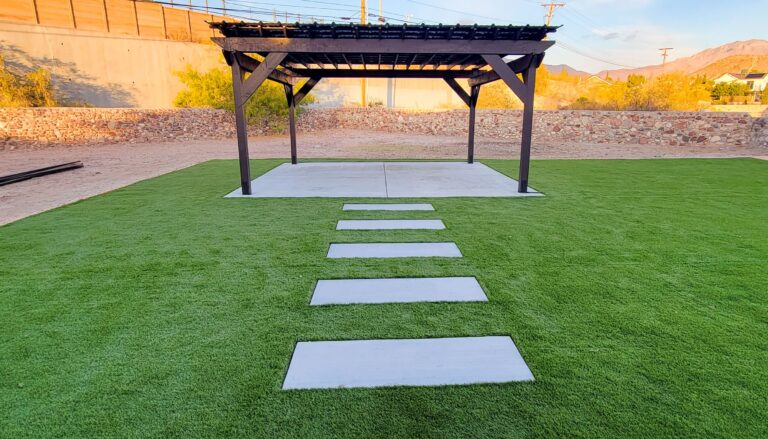
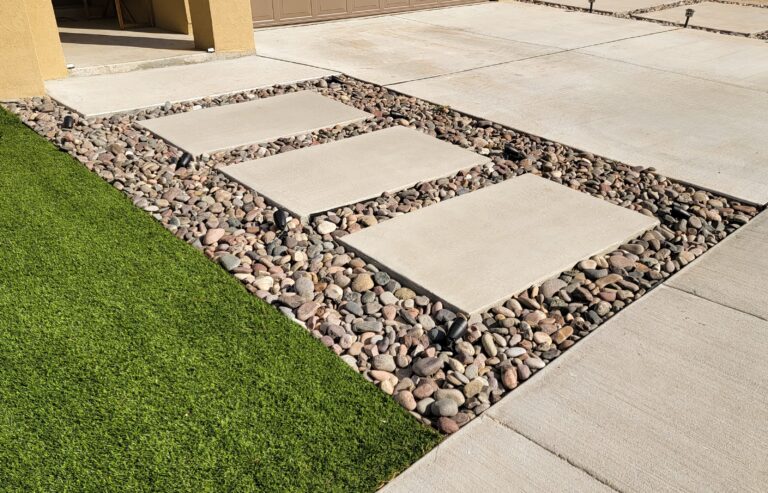
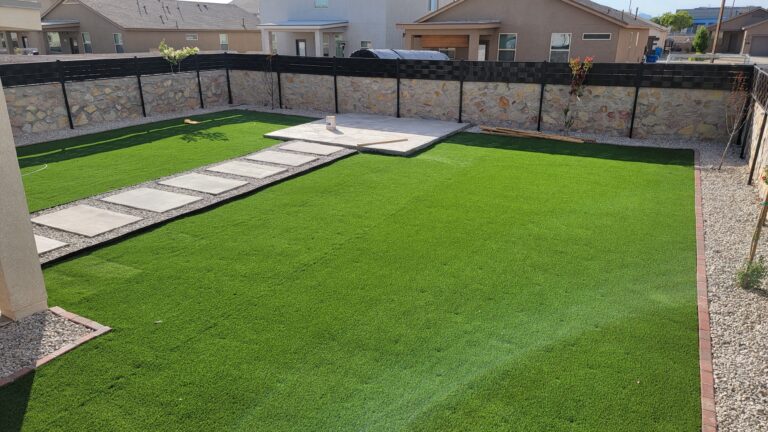
Artificial turf works particularly well in modern backyard designs featuring concrete patios, paver walkways, pergolas, outdoor kitchens, and decorative gravel. Its consistent appearance can create clean lines and defined recreational areas, making it a popular feature in low-maintenance landscaping projects.
Natural grass can create a softer, more organic appearance when combined with trees, garden beds, stone pathways, and outdoor seating areas. Homeowners who prefer traditional landscaping may appreciate the visual contrast between living vegetation and hardscape elements.
A combination of both materials is not always necessary. In many El Paso backyard remodeling projects, a thoughtfully planned layout using limited lawn space, drought-tolerant plants, decorative stone, and comfortable outdoor living areas can provide an attractive alternative to covering the entire yard with grass.
How Long Does Artificial Turf Last Compared to Natural Grass?
High-quality artificial turf is often designed to last approximately 10 to 15 years, although its actual lifespan depends on material quality, sunlight exposure, foot traffic, installation methods, and maintenance. El Paso’s intense UV exposure makes choosing products designed for hot, sunny conditions particularly important.
Natural grass does not have a fixed replacement schedule because it is a living surface capable of continuing to grow. With proper care, a natural lawn can remain established for many years, although sections may require reseeding, sod replacement, or repairs.
When comparing long-term value, homeowners should consider the total cost of maintaining each option rather than focusing exclusively on the initial installation price. Water use, lawn care, repairs, replacement, and overall durability all contribute to the long-term investment.
Can You Combine Artificial Turf With Desert Landscaping?
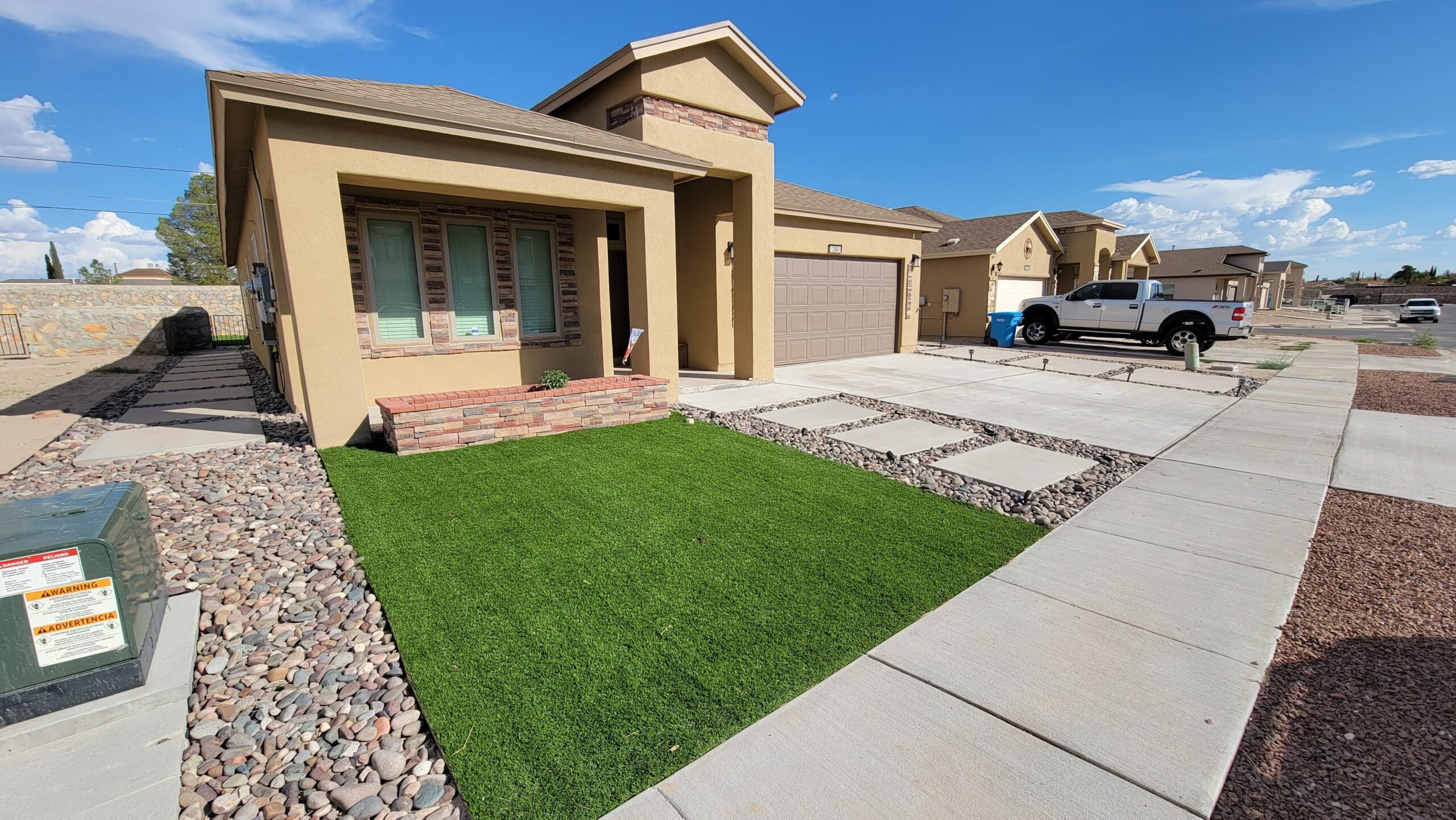
Combining artificial turf with xeriscaping is an increasingly practical approach for homeowners interested in water-efficient backyard design in El Paso. Instead of covering the entire outdoor area with synthetic grass, homeowners can incorporate smaller turf sections alongside decorative gravel, natural stone, drought-tolerant plants, and paved entertainment areas.
This approach helps create visual variety while reducing the amount of lawn that requires maintenance. Artificial turf can provide designated recreational areas, while desert landscaping can add texture, color, and architectural interest.
Shade structures, native or climate-appropriate plants, and properly planned drainage can further improve the functionality of these outdoor spaces. For homeowners considering a complete backyard renovation, integrating landscape materials with patios, walkways, and seating areas can create a more cohesive and practical design.
Artificial Turf vs. Natural Grass: Which Should You Choose?
There is no single landscaping solution that works best for every property in El Paso. Artificial turf may be the better choice for homeowners who prioritize water conservation, a consistently green appearance, and reduced routine maintenance. It can also be suitable for decorative lawn areas and outdoor spaces where maintaining natural grass would be challenging.
Natural grass may be preferable for homeowners who value a cooler surface, a traditional landscape appearance, and the benefits of living vegetation. It can be particularly appealing for families who frequently use their lawn for outdoor recreation and are prepared to manage irrigation and seasonal care.
Before making a decision, consider how much sunlight your backyard receives, how often the lawn will be used, whether children or pets will spend time outdoors, and how much maintenance you are willing to perform. Evaluating these factors alongside your landscaping budget can help you select a lawn solution that fits your lifestyle.
Transform Your Backyard With Anson General Contracting
Choosing between artificial turf and natural grass is only one part of creating a beautiful, functional outdoor living space. The best backyard designs bring together landscaping, patios, shade structures, walkways, and entertainment areas to complement the home while addressing the challenges of El Paso’s desert climate.
At Anson General Contracting, we help homeowners in El Paso, TX, plan outdoor renovations that combine functionality, durability, and visual appeal. Whether you’re exploring artificial turf landscaping, considering a backyard makeover, or planning a complete outdoor living transformation, thoughtful design and quality construction can help you make the most of your property.
Ready to upgrade your backyard? Contact Anson General Contracting to discuss your outdoor remodeling ideas and discover how a professionally planned landscape can enhance your home’s comfort, appearance, and everyday usability.

How to Decide on Artificial Turf vs. Natural Grass for Your Lot
Artificial turf vs. natural grass is easier to judge when you walk the yard at midafternoon. West-facing lawns, narrow side yards, and play areas next to a pool often favor turf because water, salt, and foot traffic are harder to manage on a live lawn in those spots.
Natural grass still makes sense in a smaller, well-planned zone if you want a living surface and you are willing to water, mow, and overseed as the season requires. The comparison is not only about looks. It is about weekly care, irrigation access, and how hot the surface feels in July.
If you choose turf, plan the base, drainage, and edge details as carefully as the blade product. If you keep grass, plan irrigation zones so the lawn is not watered the same way as shrubs or a patio garden. Either path works better when the rest of the landscape is already built around El Paso’s water limits.
Many households use both: a compact turf area for daily use and a small native planting bed instead of a large ornamental lawn. That mixed approach can be a practical middle ground in the artificial turf vs. natural grass decision.
If you are planning artificial turf vs. natural grass in El Paso, you can also review artificial turf installation, landscaping in El Paso, or request a free construction estimate. For additional background, see El Paso Water conservation tips.
Artificial turf vs. natural grass: Practical Planning Notes
Artificial turf vs. natural grass works best in El Paso when the plan starts with sun, wind, drainage, and how the space will be used week to week.
When you compare options for artificial turf vs. natural grass, look at maintenance and repair access, not only the finished look.
A clear artificial turf vs. natural grass plan also accounts for caliche, monsoon runoff, and summer surface temperatures.
Homeowners often move faster on artificial turf vs. natural grass after they walk the property and decide which areas are essential in the first phase.
If a detail of artificial turf vs. natural grass is still undecided, keep the layout flexible so later work can connect cleanly.
Discuss artificial turf vs. natural grass with a contractor who already works in El Paso and surrounding areas, then request a free estimate for the scope you want.
Use artificial turf vs. natural grass as the decision filter when two materials look similar but perform differently in desert heat.
The right artificial turf vs. natural grass choice is the one that still looks and functions well after a long, dry summer and a windy spring.
If two options for artificial turf vs. natural grass seem close, choose the one that is easier to maintain after a dusty, windy week.
Another practical point on artificial turf vs. natural grass is to confirm utilities, access, and finish transitions before work begins.
Keep notes on artificial turf vs. natural grass as you walk the lot in the afternoon, when heat and glare are easiest to judge.