A backyard fire pit can transform an ordinary outdoor space into a welcoming gathering area where family and friends can relax, entertain, and enjoy evenings outdoors. Whether you’re planning a complete backyard remodel or looking for a simple way to enhance your patio, adding a fire feature can create a comfortable atmosphere while improving the appearance and functionality of your property.
For homeowners in El Paso, TX, backyard fire pits are an attractive addition to outdoor living spaces, especially during cooler evenings and the fall and winter months. However, choosing between a gas fire pit and a traditional wood-burning fire pit involves more than personal preference. Installation costs, maintenance requirements, safety considerations, environmental impact, and El Paso’s desert climate all play important roles in determining the best option.
From modern gas fire pit designs to rustic stone fire pits, there are numerous ways to incorporate an outdoor fireplace into your backyard. This guide compares gas vs. wood-burning fire pits, explores popular backyard fire pit ideas, and explains what El Paso homeowners should consider before installing a new outdoor fire feature.
Backyard Fire Pit Ideas That Work in a Windy Desert Climate
A fire pit is one of the most versatile additions to an outdoor living space. It provides a natural gathering point for conversations, family activities, and evening entertainment while adding warmth and visual interest to the surrounding landscape.
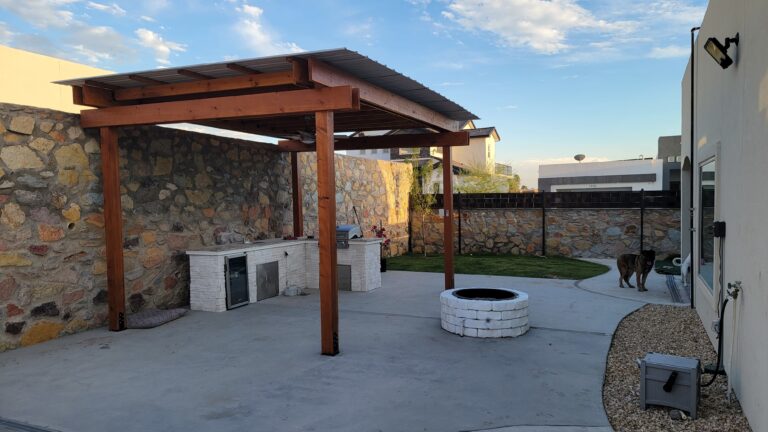
In El Paso, backyard remodeling projects often include patios, pergolas, outdoor kitchens, and drought-tolerant landscaping. A thoughtfully designed fire pit can complement these features and help create a cohesive outdoor entertainment area.
Fire pits are especially appealing during cooler months when homeowners want to continue enjoying their patios without relying entirely on indoor gathering spaces. They can also serve as decorative focal points, bringing together outdoor seating arrangements and landscaping elements.
However, the best backyard fire pit design depends on available space, the surrounding materials, local regulations, and how frequently the feature will be used. Homeowners should consider both the initial investment and long-term maintenance before choosing a gas or wood-burning system.
Gas vs. Wood-Burning Fire Pits: Understanding the Differences
The main difference between gas and wood-burning fire pits is the type of fuel used to produce the flame. Gas fire pits operate using propane or natural gas, while wood-burning fire pits use firewood to create a traditional outdoor fire.
Gas fire pits offer convenient operation, adjustable flames, and relatively simple cleanup. Many systems can be activated using a switch, control knob, or electronic ignition, making them attractive for homeowners who want a low-maintenance outdoor feature.
Wood-burning fire pits provide a more traditional experience, including the natural sounds, aroma, and appearance of burning logs. They are often selected for rustic backyard designs and outdoor gathering areas where homeowners enjoy the atmosphere of a real wood fire.
Both options can enhance an outdoor living space, but their installation requirements, operating expenses, and maintenance needs differ considerably.
Benefits of Gas Fire Pits for El Paso Homes
Gas fire pits have become increasingly popular in modern backyard designs because they combine convenience with a clean, contemporary appearance. They can be incorporated into patios, outdoor seating areas, and custom entertainment spaces.
Convenient Operation and Flame Control
One of the primary advantages of a gas fire pit is its ease of use. Depending on the system, homeowners can ignite the flame with a control knob, switch, or electronic ignition.
Unlike wood-burning fire pits, gas systems do not require building a fire, storing logs, or waiting for wood to burn down before cleaning the area.
Many gas fire pits also provide adjustable flame settings, allowing homeowners to control the appearance and heat output according to their preferences.
This convenience makes gas fire pits particularly attractive for homeowners who want to enjoy their backyard for shorter periods without spending additional time preparing and maintaining a traditional fire.
Less Smoke and Cleaner Operation
Gas fire pits generally produce significantly less smoke and particulate pollution than wood-burning alternatives. This can make them more comfortable for outdoor dining areas, patios, and seating spaces where guests gather near the flame.
Natural gas and propane systems also eliminate the need to remove wood ash after every use, reducing routine cleanup.
Although gas fire pits produce fewer smoke-related pollutants than wood-burning fires, they still generate combustion emissions and must be operated with adequate ventilation.
For homeowners interested in a low-maintenance backyard fire pit in El Paso, gas systems offer practical advantages.
Modern Design Options
Gas fire pits are available in a wide variety of shapes, sizes, and finishes. Popular options include rectangular fire tables, circular fire bowls, linear fire features, and custom-built stone installations.
Decorative fire glass, lava rock, and other approved fire media can be used to complement the surrounding patio design.
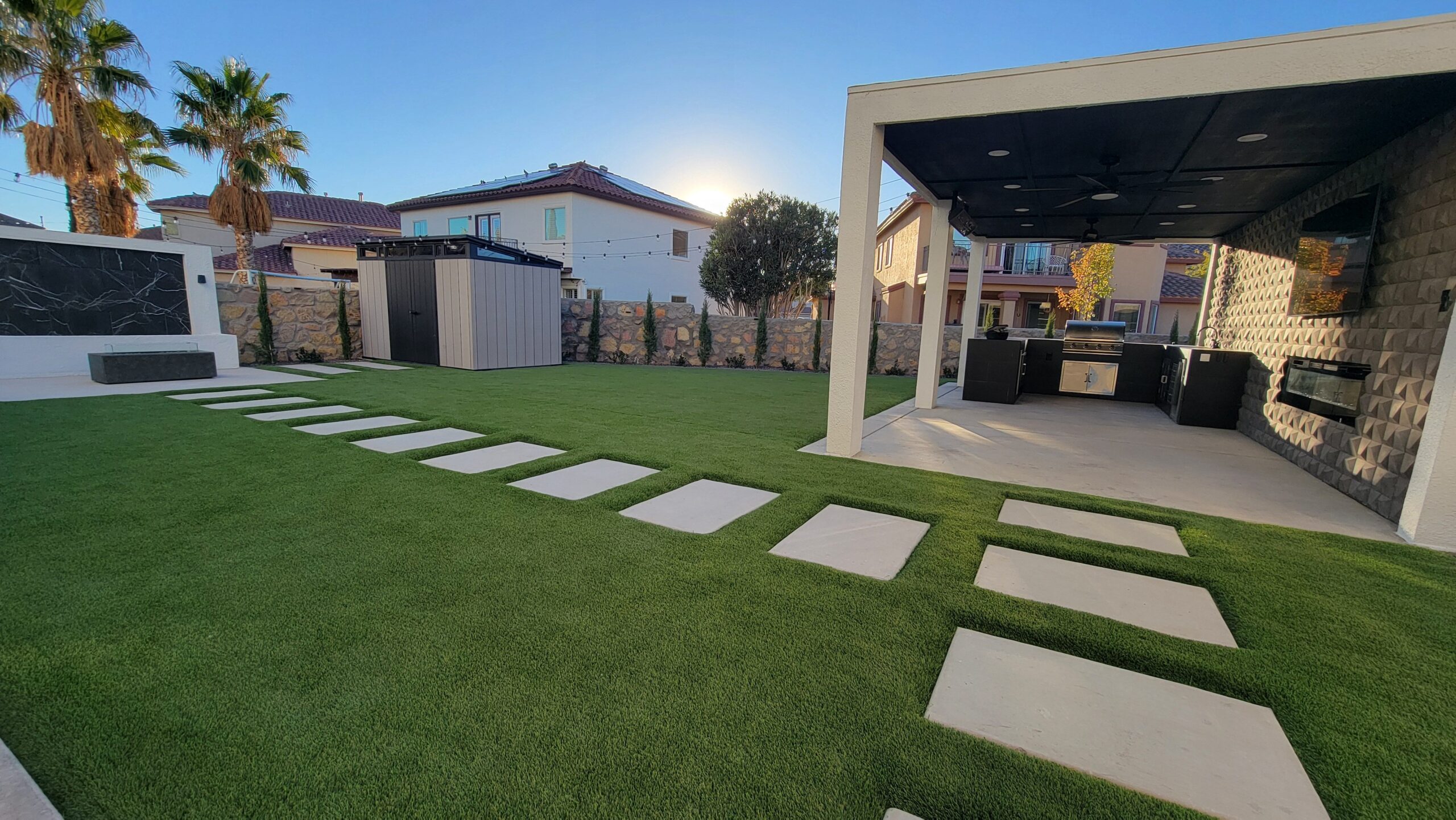
For contemporary backyard remodeling projects, a linear gas fire pit can create a sophisticated focal point near an outdoor lounge or covered entertainment area, provided all manufacturer clearance and ventilation requirements are met.
Disadvantages of Gas Fire Pits
Although gas fire pits provide convenience and attractive design possibilities, they also have limitations.
Higher Installation Complexity
Permanent natural gas fire pits may require professional gas line installation, utility connections, and additional construction work. These requirements can increase installation costs compared with a basic portable wood-burning fire pit.
Propane fire pits may be easier to install because they use replaceable fuel tanks, but homeowners must still consider proper tank storage, equipment compatibility, and ongoing fuel expenses.
Dependence on Fuel Supply
Gas fire pits require a continuous source of propane or natural gas. Homeowners using propane systems must monitor fuel levels and replace or refill tanks when necessary.
Natural gas systems eliminate the need for portable tanks but generally require a suitable connection to the property’s gas supply.
Equipment Maintenance
Although gas fire pits produce little ash, they still require maintenance. Burners, ignition systems, valves, gas connections, and decorative media should be inspected and maintained according to manufacturer instructions.
Repairs involving gas components should be performed by qualified professionals.
Benefits of Wood-Burning Fire Pits
Wood-burning fire pits remain a popular choice for homeowners who prefer a traditional outdoor atmosphere. The natural movement of flames, crackling sounds, and distinctive appearance of burning logs create an experience that gas systems do not fully replicate.
Traditional Outdoor Ambiance
One of the biggest advantages of a wood-burning fire pit is its authentic appearance. A natural wood fire can create a rustic atmosphere that complements stone patios, desert landscaping, and Southwestern architectural styles.
Wood-burning fire pits are particularly appealing for homeowners who enjoy outdoor gatherings, storytelling, or relaxing around a traditional campfire-style feature.
They can also be incorporated into custom backyard designs featuring natural stone, decorative masonry, and built-in seating areas.
Flexible Design Possibilities
Wood-burning fire pits are available in portable and permanent configurations.
Portable metal fire bowls offer a simple design for appropriate outdoor locations, while custom-built masonry fire pits can become permanent focal points within a landscaped backyard.
Stone fire pits are especially attractive for rustic outdoor living areas because they can be coordinated with surrounding hardscaping materials.
However, all wood-burning fire pit designs must meet applicable fire safety requirements, including restrictions on location, size, combustible materials, and permitted fuel.
Potentially Lower Initial Cost
Basic portable wood-burning fire pits may have lower upfront costs than custom natural gas installations.
However, professionally constructed masonry fire pits can require substantial investments depending on their size, foundation, materials, and surrounding improvements.
Homeowners should also consider the ongoing cost of firewood, ash removal, and maintenance when comparing options.
Disadvantages of Wood-Burning Fire Pits
Wood-burning fire pits require more preparation and ongoing attention than gas alternatives. For homeowners in El Paso, smoke and wind exposure are especially important considerations.
Smoke and Air Quality
Burning wood produces smoke containing fine particulate matter and other pollutants. Smoke can affect nearby seating areas, neighboring properties, and individuals who are sensitive to air pollution.
The amount of smoke depends on factors such as wood moisture, airflow, and burning conditions.
Using dry, seasoned, untreated firewood can help reduce smoke compared with burning wet or unsuitable materials, but it does not eliminate emissions.
Wind and Flying Embers
El Paso experiences strong seasonal winds that can make wood-burning fires particularly hazardous. Wind can carry sparks and embers beyond the fire pit, potentially igniting nearby vegetation, furniture, or other combustible materials.
Homeowners should never operate a wood-burning fire pit during high winds or when local fire restrictions prohibit its use.
Additional Cleanup
Wood-burning fire pits produce ash, partially burned logs, and other debris that must be handled safely.
Ash should be allowed to cool completely and placed in an appropriate metal container rather than discarded directly into household trash.
Regular cleaning is necessary to maintain the appearance and functionality of the fire pit.
Gas vs. Wood-Burning Fire Pit Costs
Cost is an important consideration when selecting a backyard fire feature. Both gas and wood-burning systems are available at different price points, ranging from portable models to elaborate custom-built installations.
For general budgeting purposes, homeowners may encounter the following approximate price ranges:
| Fire Pit Type | Estimated Cost |
|---|---|
| Basic portable wood-burning fire pit | $100–$500 |
| Custom masonry wood-burning fire pit | $1,000–$5,000+ |
| Portable propane fire pit | $200–$1,500 |
| Custom natural gas fire pit | $2,000–$7,000+ |
| Luxury built-in fire feature with seating | $5,000–$15,000+ |
These figures are general planning estimates rather than verified local contractor prices. Actual backyard fire pit installation costs in El Paso depend on materials, size, fuel connections, site preparation, construction requirements, and additional features.
Gas systems often have higher installation expenses when permanent utility connections are required, while simple portable wood-burning models generally offer a lower initial price.
However, long-term operating expenses should also be considered. Wood-burning fire pits require a supply of suitable firewood, while gas fire pits involve propane or natural gas consumption.
Homeowners planning a permanent outdoor fire feature should request a detailed estimate that includes construction, utilities, safety components, and applicable approvals.
Best Backyard Fire Pit Design Ideas
A fire pit can be designed to complement nearly any outdoor living style, from rustic Southwestern backyards to contemporary entertainment spaces. The right design should balance appearance, seating arrangements, safety, and available space.
1. Modern Rectangular Gas Fire Pit
A rectangular gas fire pit is an excellent choice for contemporary patios and minimalist backyard designs.
These features often incorporate clean lines, decorative concrete, stone finishes, and fire glass to create a polished appearance.
A rectangular fire pit can be positioned as the centerpiece of an outdoor lounge, surrounded by comfortable seating and coordinated landscaping.
For El Paso homes with modern architecture, neutral colors and earth-toned materials can help the fire feature blend naturally with the surrounding desert environment.
2. Rustic Stone Wood-Burning Fire Pit
Natural stone fire pits are ideal for homeowners who prefer a traditional outdoor atmosphere.
A circular stone fire pit surrounded by suitable noncombustible hardscaping can create an inviting gathering area that complements desert landscaping and Southwestern-style patios.
Materials such as appropriately rated masonry and decorative stone can help establish a rustic appearance.
Homeowners should ensure that all materials used in the fire pit are suitable for exposure to high temperatures. Decorative stone not designed for fire applications can crack or fail when heated.
3. Built-In Fire Pit With Seating
Built-in seating can transform a backyard fire pit into a complete outdoor entertainment area.
Curved masonry benches, permanent seating walls, or carefully arranged outdoor furniture can help define the gathering space while maintaining a cohesive design.
For larger backyard remodeling projects, a built-in fire pit can be integrated with paver patios, decorative concrete, and landscape lighting.
Seating must be positioned at an appropriate distance from the flame, with adequate room for circulation and safe access.
4. Fire Pit With Decorative Pavers
Paver patios provide an attractive foundation for outdoor fire pit areas when the installation is specifically designed for the heat and structural requirements of the selected appliance.
Homeowners can use contrasting paver colors, circular patterns, or decorative borders to create a distinct gathering zone.
A professionally designed fire pit patio can also incorporate landscape lighting, nearby walkways, and outdoor seating areas.
For El Paso backyard renovations, selecting durable materials and planning drainage around the installation are important considerations.
5. Compact Fire Pit for Small Backyards
Homeowners with limited outdoor space can still incorporate a fire feature into their backyard design when required safety clearances can be maintained.
Compact propane fire tables and smaller approved fire pit systems can provide decorative flames without occupying as much space as larger permanent installations.
However, small spaces require careful evaluation of nearby walls, fencing, overhangs, vegetation, and other combustible materials.
A compact fire pit should never be installed beneath an unsuitable patio cover or within an enclosed area without the clearances and ventilation specifically required by the manufacturer and applicable regulations.
6. Fire Pit With Desert Landscaping
A fire pit surrounded by thoughtfully selected desert landscaping can create a distinctive outdoor living area that reflects the natural environment of El Paso.
Decorative gravel, stone walkways, and drought-tolerant plants can help establish a Southwestern atmosphere.
However, plants, dry vegetation, mulch, and other combustible landscape materials must be kept outside the required clearance area.
A professionally planned layout can help combine decorative landscaping with appropriate fire safety measures.
7. Gas Fire Bowl for Contemporary Patios
Gas fire bowls offer a sculptural alternative to traditional fire pits. Their rounded shapes and decorative finishes can add visual interest to outdoor seating areas, poolside lounges, and modern backyard patios.
Concrete-style finishes, natural stone appearances, and dark metal accents are popular choices for contemporary outdoor designs.
A fire bowl can function as an attractive focal point without requiring the extensive surrounding masonry used in larger custom installations.
Which Fire Pit Is Better for El Paso’s Desert Climate?
El Paso’s desert conditions should play a significant role in choosing between gas and wood-burning fire pits.
Strong winds, low humidity, dry vegetation, and occasional dust storms can increase the risks associated with outdoor flames.
Gas fire pits may offer practical advantages because they produce no wood embers during normal operation and can generally be shut off quickly using the appropriate controls. However, gas flames remain hazardous during windy conditions, and appliances must never be operated outside the manufacturer’s weather and safety limits.
Wood-burning fire pits require additional caution because burning logs can release sparks and embers that may travel with the wind.
For homeowners who want a convenient fire feature that requires less cleanup and produces less smoke, gas fire pits are often the more practical choice.
However, homeowners who prefer the traditional experience of a wood fire may still consider an approved wood-burning fire pit when local regulations, weather conditions, and property layout permit safe operation.
Fire Pit Safety Regulations in El Paso, TX
Before installing or using a backyard fire pit, homeowners should understand the local fire safety requirements.
The City of El Paso distinguishes prohibited open burning from certain permitted recreational fires. According to the El Paso Fire Department’s published safety guidance, recreational wood fires may be allowed when contained in an appropriate fire pit and operated under specific conditions.
The published guidance identifies recreational fire piles no larger than 3 feet in diameter and 2 feet in height. It also requires recreational fires to be kept at least 25 feet from structures or combustible materials, with conditions that could allow fire to spread eliminated before ignition.
Fires must be continuously attended until extinguished, and appropriate fire-extinguishing equipment must be readily available. Burning trash, yard waste, and other prohibited materials is not permitted.
Because restrictions and applicable codes can change, homeowners should confirm current requirements with the El Paso Fire Department before installing or operating a fire pit.
For permanent natural gas systems, construction and utility connections may also require applicable permits, inspections, and professional installation.
Properties outside El Paso city limits may be subject to different regulations or burn restrictions.
How to Choose the Best Location for a Backyard Fire Pit
Selecting the right location is one of the most important parts of backyard fire pit installation.
The fire feature should be positioned on an appropriate stable surface, away from combustible landscaping, structures, furniture, and other materials, while respecting local requirements and manufacturer clearance specifications.
Homeowners should also consider prevailing wind direction and how smoke or heat may affect nearby seating areas, doors, windows, and neighboring properties.
For gas fire pits, the placement of fuel connections, ventilation openings, and maintenance access must be evaluated during the design process.
For wood-burning fire pits, sufficient space is needed to accommodate required fire separation distances and reduce exposure to sparks and embers.
When designing a complete backyard entertainment area, the fire pit should complement the overall layout without interfering with walkways, cooking areas, pool access, or other important features.
Fire Pit Materials That Work Well in El Paso
Material selection affects the durability, appearance, and maintenance requirements of an outdoor fire pit.
Concrete and Masonry
Concrete and masonry are popular for custom fire pit construction because they can be incorporated into permanent backyard designs.
However, materials exposed directly to flames must be designed for high-temperature applications. Ordinary decorative concrete or masonry should not automatically be considered suitable for direct fire contact.
Appropriate fire-rated components, liners, and burner systems may be necessary depending on the design.
Natural Stone
Natural stone can create an attractive rustic appearance that complements desert landscaping.
Stone selection is important because some materials may crack or deteriorate when exposed to high heat or rapid temperature changes.
A qualified contractor can help determine which products are suitable for the intended application.
Metal Fire Pits
Steel and cast iron are commonly used in portable wood-burning fire pits, while stainless steel components are often incorporated into gas burner systems.
Metal surfaces can become extremely hot during operation and may require ongoing maintenance to address corrosion or finish deterioration.
Homeowners should select products specifically designed and rated for outdoor fire applications.
How to Maintain a Gas Fire Pit
Gas fire pits are generally easier to maintain than wood-burning systems, but regular care is necessary for safe and reliable operation.
Homeowners should periodically remove dust, leaves, and debris from the fire pit when the system is completely cool.
Burners, ignition systems, valves, and fuel connections should be inspected according to the manufacturer’s recommendations.
If the fire pit uses propane, tanks should be stored and handled according to applicable safety requirements.
Any suspected gas leak, damaged connection, or ignition problem should be evaluated by a qualified professional before the appliance is used again.
Protective covers can help reduce dust accumulation when the fire pit is not in use, provided they are compatible with the equipment and never placed over a hot appliance.
How to Maintain a Wood-Burning Fire Pit
Wood-burning fire pits require regular removal of ash and burned material.
Before cleaning, homeowners must ensure that all flames and embers have been completely extinguished and the contents are fully cool.
Ash should be stored in an appropriate metal container with a secure lid, away from combustible materials.
The fire pit should also be inspected for cracks, damaged components, deterioration, and other conditions that may affect safe operation.
Using dry, seasoned firewood can help reduce unnecessary smoke and improve combustion quality.
Homeowners should never burn treated lumber, painted wood, construction debris, plastic, trash, or yard waste.
Routine maintenance helps preserve the appearance of the fire pit and supports safer operation.
Can You Install a Fire Pit Near an Outdoor Kitchen?
A fire pit can complement an outdoor kitchen by creating a separate area for relaxing after meals and entertaining guests.
However, the two features should be positioned to maintain safe clearances, comfortable circulation, and appropriate ventilation.
For larger backyard remodeling projects, homeowners may choose to create distinct cooking and lounge areas connected by patios or walkways.
A gas fire pit can be an attractive addition to a modern outdoor kitchen design because it offers convenient operation and produces relatively little smoke.
However, gas appliances must be installed according to their specifications, and fire pits should not be positioned where heat or flames could affect nearby equipment, roofing, or combustible furnishings.
Professional design can help coordinate these outdoor features while maintaining a functional backyard layout.
Are Fire Pits Safe Under Pergolas or Covered Patios?
Installing a fire pit beneath a pergola, gazebo, or covered patio requires careful evaluation.
Not every outdoor structure is suitable for use above an open flame. Heat can accumulate beneath roofing materials, and combustible beams, furniture, or decorations may be exposed to unsafe temperatures.
Gas fire pits should only be operated beneath a structure when the specific appliance is approved for that installation and all required overhead clearances, ventilation conditions, and local codes are satisfied.
Wood-burning fire pits create additional concerns because smoke, sparks, and embers can collect or travel beneath overhead structures.
Homeowners should never assume that an open-sided pergola or covered patio automatically provides sufficient ventilation or fire protection.
A qualified professional can help determine whether the proposed location is appropriate or recommend a safer alternative.
Can a Fire Pit Increase Your Home’s Value?
A professionally designed fire pit can improve the appearance and functionality of a backyard, particularly when integrated with a coordinated patio, landscaping, and outdoor seating area.
Outdoor fire features may appeal to prospective buyers who enjoy entertaining or spending time outdoors.
However, the potential increase in property value depends on the overall quality of construction, neighborhood expectations, maintenance requirements, and local real estate market.
A fire pit does not guarantee a specific return on investment, but it can contribute to a more attractive and versatile outdoor living environment.
For El Paso homeowners planning backyard improvements, the greatest value often comes from creating a space that can be enjoyed regularly and maintained comfortably over time.
Common Fire Pit Installation Mistakes to Avoid
One of the most common mistakes is selecting a fire pit based exclusively on appearance without considering safety requirements and the surrounding backyard layout.
A fire pit that is too large for the available space may create clearance problems or interfere with seating and walkways.
Another mistake is using construction materials that are not suitable for direct flame exposure. Decorative stones, ordinary concrete components, and certain finishes may deteriorate or fail when subjected to high temperatures.
Homeowners should also avoid overlooking gas connections, proper ventilation, drainage, and access for maintenance.
In El Paso, failing to account for seasonal winds is an especially important concern. Even a properly installed fire pit should not be operated when weather conditions make open flames unsafe.
Planning the fire pit as part of a complete backyard design can help prevent these problems while improving the overall appearance and functionality of the space.
Gas vs. Wood-Burning Fire Pits: Which Should You Choose?
The best backyard fire pit depends on your lifestyle, design preferences, budget, and the conditions of your property.
Gas fire pits are often the better option for homeowners who prioritize convenience, adjustable flames, minimal smoke, and simple cleanup. They work particularly well in contemporary outdoor living spaces featuring custom patios, outdoor kitchens, and modern seating arrangements.
Wood-burning fire pits may be more appealing to homeowners who enjoy the traditional atmosphere of a natural wood fire and are prepared for the additional maintenance, smoke, and safety responsibilities.
For El Paso homes, local wind conditions and fire restrictions should be major considerations. Gas systems generally offer greater convenience and reduced particulate emissions, but neither option eliminates the need for careful placement, responsible operation, and compliance with safety requirements.
Before making a final decision, homeowners should evaluate available space, installation requirements, maintenance expectations, and the intended use of their outdoor living area.
Frequently Asked Questions About Backyard Fire Pits
Are gas fire pits better than wood-burning fire pits?
Gas fire pits are generally easier to operate and maintain, producing less smoke and requiring minimal cleanup. Wood-burning fire pits offer a traditional flame experience but require more preparation and attention. The better option depends on homeowner preferences, available space, and local regulations.
How much does it cost to install a backyard fire pit in El Paso?
A basic portable fire pit may cost a few hundred dollars, while custom masonry or natural gas fire pit installations can require several thousand dollars. The final price depends on materials, size, fuel connections, and construction requirements.
Can you use a wood-burning fire pit in El Paso?
Certain recreational wood fires may be permitted within El Paso city limits when they comply with applicable fire safety regulations. Homeowners should confirm current restrictions, required clearances, and permitted conditions with the El Paso Fire Department before use.
Do gas fire pits produce enough heat?
Gas fire pits can provide noticeable warmth, although heat output varies according to the burner, fuel type, fire pit design, and surrounding weather conditions. Homeowners should review the appliance’s rated heat output and intended use before purchasing.
Are propane fire pits safe for residential backyards?
Propane fire pits can be appropriate for residential outdoor use when installed and operated according to manufacturer instructions and applicable regulations. They require adequate ventilation, proper fuel storage, safe clearances, and regular maintenance.
What is the best fire pit for a small backyard?
Compact propane fire tables and smaller approved outdoor fire features may be suitable for some small backyards. However, available space must be sufficient to meet all applicable safety clearances and ventilation requirements.
Can you convert a wood-burning fire pit to gas?
Some fire pits can be converted using approved gas burner systems, but not every existing structure is suitable for conversion. The materials, ventilation, dimensions, and fuel connections must be evaluated by a qualified professional.
Transform Your Backyard With Anson General Contracting
Adding a fire pit to your backyard can create a welcoming outdoor gathering space while enhancing the appearance and functionality of your property. Whether you prefer the convenience of a modern gas fire feature or the traditional charm of a wood-burning fire pit, selecting the right design and materials is essential for creating an attractive outdoor living area.
At Anson General Contracting, we help homeowners in El Paso, TX, explore backyard remodeling solutions that complement their homes and lifestyles. From custom patios and hardscaping to outdoor kitchens, shade structures, and complete backyard transformations, our team focuses on creating practical and visually appealing spaces for everyday enjoyment.
A thoughtfully planned backyard can bring together comfortable seating, durable patio materials, attractive landscaping, and carefully selected outdoor features to create a cohesive environment for relaxing and entertaining.
Ready to upgrade your outdoor living space? Contact Anson General Contracting to discuss your backyard remodeling ideas, explore your options, and start planning a beautiful, functional outdoor environment for your El Paso home.



If you are planning backyard fire pit ideas in El Paso, you can also review backyard design in El Paso, pergolas and outdoor kitchens, or request a free construction estimate. For additional background, see NFPA home fire safety guidance.