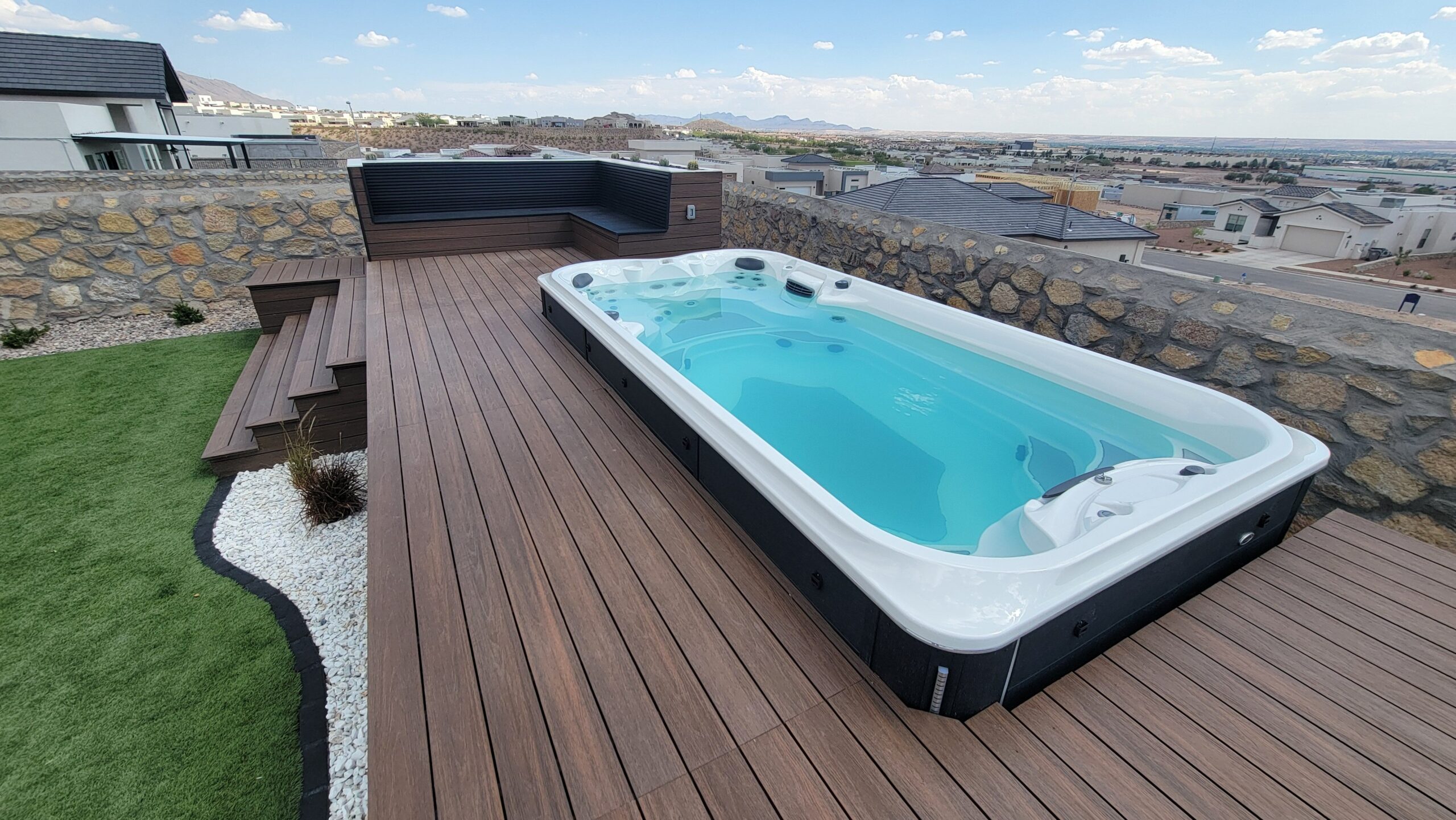
A swimming pool can be one of the most enjoyable features of a backyard, especially during the long, hot summers in El Paso, Texas. However, the area surrounding your pool is just as important as the water itself. A poorly designed pool deck can become extremely hot under direct sunlight, develop slippery surfaces when wet, or deteriorate over time due to exposure to the elements.
Choosing the right pool deck materials can make a significant difference in comfort, safety, maintenance, and the overall appearance of your outdoor living space. Whether you’re replacing an outdated concrete surface, upgrading your pool patio, or planning a complete backyard renovation, selecting materials suited to the West Texas desert climate is essential.
From natural stone and decorative concrete to modern pavers and heat-reflective coatings, homeowners have several options for creating attractive, durable poolside areas. This guide explores the best materials for pool deck renovation in El Paso, TX, including their advantages, maintenance requirements, installation costs, and performance during hot Texas summers.
Why Pool Deck Materials Matter in El Paso’s Desert Climate
El Paso’s climate creates unique challenges for outdoor surfaces. Intense sunlight, high summer temperatures, dry conditions, and seasonal temperature fluctuations can affect the performance of pool decking materials throughout the year.
One of the biggest concerns for homeowners is surface temperature. Concrete, stone, and other hardscaping materials absorb solar radiation, which can make pool decks uncomfortable or even dangerous to walk on barefoot during the hottest parts of the day.
Dark-colored materials generally absorb more sunlight than lighter surfaces, causing them to heat up more quickly. Material composition, surface texture, thickness, and surrounding shade also influence how much heat a pool deck retains.
Slip resistance is another important consideration. Pool decks are frequently exposed to splashing water, wet feet, and cleaning products, making traction essential for safer movement around swimming areas.
Additionally, pool decking must withstand water exposure, cleaning chemicals, dust accumulation, and occasional heavy rainfall. For El Paso homeowners, choosing materials that balance heat performance, durability, and maintenance requirements can help create a more comfortable outdoor environment.
1. Travertine Pool Decking: A Popular Choice for Hot Climates
Travertine is a natural stone commonly used for patios, pool decks, and outdoor walkways. Its distinctive texture and natural color variations make it an attractive option for homeowners who want a sophisticated outdoor living area.
One of the main benefits of travertine pool decking is its potential to remain more comfortable underfoot than many dark-colored or dense paving materials. Light-colored travertine, particularly in ivory, cream, and beige tones, can reflect more sunlight and reduce surface heat buildup compared with darker finishes.
Advantages of Travertine Pool Decks
Travertine offers an elegant appearance that complements contemporary homes, Southwestern architecture, and desert landscaping. Its natural variations create visual interest while maintaining a cohesive outdoor design.
Tumbled travertine can also provide a textured surface suitable for poolside applications when the specific product meets applicable slip-resistance requirements.
Another advantage is repairability. When travertine is installed as individual pavers, damaged pieces can often be replaced without reconstructing the entire pool deck.
Disadvantages of Travertine
Travertine generally has a higher installation cost than basic concrete and may require periodic sealing depending on the product, finish, and exposure conditions.
Certain stone varieties can also be sensitive to acidic cleaning products, making appropriate maintenance important.
Although light-colored travertine is often a good option for hot climates, no natural stone remains completely cool under intense summer sunlight. Homeowners should evaluate actual product samples and surface finishes before installation.
2. Concrete Pool Decks: Durable and Budget-Friendly
Concrete remains one of the most widely used materials for residential pool deck installation because of its durability, design flexibility, and generally affordable construction cost.
For homeowners planning a pool deck renovation in El Paso, concrete can provide a practical foundation for both traditional and modern backyard designs.
Broom-Finished Concrete
Broom-finished concrete features a textured surface created during installation. The finish provides additional traction compared with polished concrete, making it a common option for outdoor walkways and poolside areas.
Basic concrete pool decks can be installed in different shapes and dimensions, allowing homeowners to accommodate existing swimming pools, landscaping, and seating arrangements.
Light-colored concrete finishes may help reduce surface temperatures compared with darker materials, although all concrete surfaces can become hot under direct sunlight.
Advantages of Concrete Pool Decking
Concrete offers a relatively economical way to cover larger poolside areas. It can also be customized with decorative borders, integral colors, and different finishing techniques.
When installed over properly prepared ground with appropriate control joints and drainage, a concrete pool deck can provide many years of service.
Disadvantages of Concrete
Concrete may develop cracks due to shrinkage, soil movement, or changes in temperature. Although control joints help manage cracking, they cannot eliminate the possibility entirely.
Concrete surfaces can also retain considerable heat, especially when darker colors are used.
For homeowners interested in improving an existing concrete pool deck, resurfacing or applying a specialized coating may offer an alternative to complete replacement when the underlying slab is structurally suitable.
3. Stamped Concrete Pool Decks for Decorative Outdoor Spaces
Stamped concrete provides the durability of traditional concrete while offering decorative patterns that resemble stone, brick, slate, or tile.
This material is particularly appealing for homeowners who want a customized pool deck without installing individual natural stone pieces.
Stamped concrete can be incorporated into backyard remodeling projects featuring swimming pools, outdoor kitchens, pergolas, and covered patios.
Popular Stamped Concrete Pool Deck Designs
Natural stone patterns are among the most common choices for poolside applications. These finishes can complement desert landscaping and create a cohesive appearance across larger outdoor entertainment areas.
Earth-toned colors such as sand, beige, light gray, and warm tan are popular for Southwestern backyard designs.
For hot Texas summers, lighter finishes are generally preferable to dark decorative concrete because they absorb less solar energy under similar conditions.
Is Stamped Concrete Slippery Around Pools?
Stamped concrete can become slippery when wet, particularly if smooth textures or inappropriate sealers are used.
Homeowners should choose finishes and sealing systems specifically designed for pool deck applications, with suitable traction under wet conditions.
Decorative concrete may also require periodic resealing to preserve its appearance and protect the finish.
When professionally installed and properly maintained, stamped concrete can provide an attractive pool deck that complements the surrounding backyard.
4. Concrete Pavers: Flexible and Easy to Repair
Concrete pavers are another popular option for pool deck renovation in El Paso. Unlike poured concrete, paver systems consist of individual units installed over a prepared foundation.
This construction method allows homeowners to create decorative patterns, borders, and transitions between outdoor living areas.
Benefits of Paver Pool Decks
One of the biggest advantages of concrete pavers is their repairability. If an individual paver becomes damaged or uneven, it can often be removed, the underlying base corrected, and the paver replaced.
Pavers are available in numerous shapes, textures, and colors, making them suitable for modern pool patios and traditional backyard designs.
Light-colored concrete pavers can provide a more comfortable walking surface than darker paving options under comparable sunlight conditions.
Textured pavers designed for wet pedestrian areas may also provide good traction around swimming pools.
Maintenance Considerations
Paver patios require periodic cleaning and occasional maintenance of the joints between individual units.
Over time, joint material may need to be replenished, and sections may require adjustment if the underlying base settles.
Proper installation is essential to prevent uneven surfaces, drainage problems, and unwanted movement.
For homeowners considering a long-term backyard renovation, pavers offer a practical combination of design flexibility and localized repair options.
5. Porcelain Pavers for Modern Pool Deck Designs
Outdoor porcelain pavers have become increasingly popular in contemporary pool deck renovations because of their clean appearance, low water absorption, and wide variety of finishes.
Porcelain products are manufactured in different sizes, colors, and textures, including designs that resemble natural stone, concrete, and wood.
Advantages of Porcelain Pool Decking
Exterior-grade porcelain pavers are generally resistant to water absorption and staining, making them relatively easy to maintain.
Many products do not require routine sealing, which can reduce long-term maintenance compared with certain natural stone surfaces.
Large-format porcelain pavers can also create a modern appearance that works well with minimalist landscaping, rectangular swimming pools, and contemporary outdoor kitchens.
Choosing Porcelain for Hot Texas Summers
Surface temperature depends heavily on the color and finish of the porcelain. Light-colored products may be more comfortable in direct sunlight than darker alternatives, but porcelain should not automatically be considered a cool surface.
Homeowners should select products specifically rated for exterior pool deck applications and verify their wet slip resistance.
Proper installation is also important because porcelain pavers require an appropriately designed foundation and installation method.
For El Paso homeowners interested in a modern pool deck with relatively low maintenance requirements, porcelain can be an attractive option.
6. Cool Deck Coatings and Heat-Reflective Surfaces
Specialized pool deck coatings are designed to improve the appearance and comfort of certain existing concrete surfaces.
These systems are sometimes marketed as cool deck coatings, heat-reflective coatings, or textured acrylic overlays.
They are particularly useful for homeowners who want to renovate an existing pool deck without completely removing the original concrete.
How Cool Deck Coatings Work
Certain pool deck coatings use light-colored finishes, textured surfaces, or specialized materials intended to reduce heat buildup compared with untreated concrete.
Their performance varies according to product formulation, surface color, installation quality, weather conditions, and the condition of the underlying concrete.
Some coatings also provide improved texture and traction, making them suitable for selected poolside applications when installed according to manufacturer specifications.
Benefits of Pool Deck Resurfacing
Resurfacing can provide an opportunity to update faded or worn concrete with a new finish while potentially reducing the expense of full replacement.
Homeowners may choose from different colors and textures to coordinate the pool deck with surrounding patios, landscaping, and outdoor living features.
However, coatings cannot correct significant structural damage, severe settling, or major drainage problems.
Before choosing pool deck resurfacing in El Paso, a professional should evaluate whether the existing concrete is suitable for the selected treatment.
7. Natural Stone Pool Decks for Luxury Backyards
Natural stone is a popular choice for homeowners interested in creating an elegant outdoor environment.
Materials such as limestone, flagstone, and certain types of sandstone can complement desert landscaping and Southwestern architecture.
Each stone has different characteristics, including density, texture, porosity, and heat absorption.
Choosing the Right Natural Stone
Light-colored natural stone may offer better thermal comfort than darker materials under similar sunlight conditions.
Textured finishes can also improve traction, although homeowners should verify that the selected stone is appropriate for wet poolside use.
Certain natural stones require sealing and specialized cleaning to protect against staining or deterioration.
For luxury backyard remodeling projects in El Paso, natural stone can provide a distinctive appearance when properly selected and installed.
Which Pool Deck Material Stays Coolest in the Texas Heat?
One of the most common questions homeowners ask during pool deck renovation is which material stays coolest under direct sunlight.
There is no universal answer because surface temperatures depend on several factors, including color, material composition, texture, solar exposure, and surrounding shade.
However, certain materials and finishes tend to perform better in hot environments.
Light-colored travertine is often favored for barefoot comfort, while light concrete pavers and selected heat-reflective coatings can also provide advantages compared with darker surfaces.
The following comparison provides a general overview:
| Pool Deck Material | Heat Performance | Maintenance |
|---|---|---|
| Light-colored travertine | Often more comfortable underfoot | Moderate |
| Broom-finished concrete | Can become hot in direct sunlight | Low to moderate |
| Stamped concrete | Depends on color and finish | Moderate |
| Light-colored concrete pavers | Often favorable compared with dark pavers | Low to moderate |
| Exterior porcelain pavers | Depends on color and composition | Generally low |
| Specialized cool deck coatings | Designed to reduce surface heat relative to specified substrates | Periodic recoating may be needed |
| Natural stone | Varies by stone type and finish | Moderate |
This comparison reflects general material characteristics rather than guaranteed surface temperatures.
Regardless of the selected material, adding shade structures can significantly improve comfort around a swimming pool.
How Much Does Pool Deck Renovation Cost in El Paso?
The cost of pool deck renovation in El Paso depends on the existing surface, selected materials, square footage, and complexity of the project.
Simple concrete resurfacing projects may be more affordable than removing an existing deck and installing natural stone or premium porcelain pavers.
For preliminary budgeting, homeowners may consider the following general installation ranges:
| Pool Deck Material | Estimated Cost per Square Foot |
|---|---|
| Concrete resurfacing or coating | $3–$12 |
| Basic concrete pool deck | $6–$13 |
| Stamped concrete | $8–$18 |
| Concrete pavers | $12–$25 |
| Travertine pavers | $16–$30 |
| Exterior porcelain pavers | $15–$30+ |
| Premium natural stone | $18–$35+ |
These figures are approximate U.S. planning ranges, not confirmed local contractor prices. Actual pool deck renovation costs in El Paso may vary significantly due to demolition, grading, drainage modifications, access limitations, material selection, and labor.
Homeowners should request a detailed estimate that identifies preparation work, materials, installation, finishing, and any additional construction requirements.
Pool Deck Resurfacing vs. Replacement: Which Is Better?
When renovating an existing swimming pool area, homeowners must decide whether to resurface the current deck or replace it entirely.
Pool deck resurfacing may be appropriate when the underlying concrete remains structurally sound and the primary concerns involve fading, minor cosmetic damage, or an outdated appearance.
Depending on the condition of the surface, decorative coatings or overlays may provide an updated look without requiring extensive demolition.
However, full replacement may be necessary when a pool deck has significant cracking, widespread settling, serious drainage problems, or other structural concerns.
Replacing the deck also allows homeowners to redesign the layout, improve accessibility, modify drainage, and select entirely new materials.
A professional inspection can help determine which approach is appropriate for the property’s existing conditions.
Best Pool Deck Colors for El Paso Homes
Color selection plays an important role in both the appearance and thermal performance of a pool deck.
In El Paso’s desert environment, lighter colors are often preferable because they generally reflect more solar radiation than dark finishes.
Popular pool deck colors include ivory, sand, cream, light beige, soft gray, and warm limestone tones.
These colors can complement Southwestern architecture, desert landscaping, decorative gravel, and natural stone features.
Darker colors may create dramatic visual contrast, but they can also absorb more heat, making them less comfortable for barefoot use during hot summer afternoons.
Homeowners should evaluate samples outdoors under direct sunlight before making a final selection.
How to Make Your Pool Deck More Comfortable During Summer
Choosing the right material is an important step, but several additional design features can help improve comfort around a swimming pool.
Add Pergolas and Patio Covers
Shade structures can reduce direct sunlight on poolside seating areas and selected sections of the deck.
Pergolas, covered patios, and appropriately designed shade sails can provide comfortable locations for relaxing between swimming sessions.
In El Paso, shade structures should also be designed and installed with local wind conditions in mind.
Incorporate Poolside Landscaping
Drought-tolerant plants and appropriately positioned trees can improve the appearance of a pool area while providing natural shade where suitable.
Homeowners should select plants that are compatible with the local climate and avoid placing vegetation where roots, fallen debris, or maintenance requirements may interfere with the swimming pool.
Use Comfortable Outdoor Furniture
Poolside furniture can help create designated areas for relaxing, dining, and entertaining.
Weather-resistant loungers, shaded seating arrangements, and appropriately selected outdoor fabrics can make the space more enjoyable.
Furniture should be positioned to maintain safe circulation and clear access around the pool.
Improve Drainage
Proper drainage prevents standing water from accumulating on pool decks and nearby outdoor surfaces.
A professionally planned deck should direct water appropriately without creating slippery areas, erosion, or drainage problems around the swimming pool.
Slip Resistance: Choosing Safer Pool Deck Materials
Slip resistance is one of the most important considerations when renovating a swimming pool deck.
Because poolside surfaces are frequently wet, homeowners should avoid finishes that become excessively slippery when exposed to water.
Broom-finished concrete, certain textured pavers, tumbled travertine, and appropriately rated exterior porcelain products can provide suitable traction when properly selected and installed.
However, material type alone does not guarantee slip resistance. Surface texture, applied sealers, cleaning conditions, and product specifications all influence performance.
Homeowners should request manufacturer information regarding wet slip resistance and confirm that the selected product is appropriate for swimming pool surroundings.
Smooth polished materials and inappropriate glossy sealers may increase the risk of slipping.
For families with children or older adults, prioritizing traction and comfortable walking surfaces can improve the overall usability of the pool area.
How Long Do Pool Deck Materials Last?
The lifespan of a swimming pool deck depends on the materials selected, installation quality, environmental exposure, and maintenance practices.
Concrete pool decks can last for decades when properly installed, although cracks and surface wear may require repairs over time.
High-quality pavers can also provide many years of service, with the additional advantage of allowing individual units to be replaced.
Travertine and other natural stone materials can remain attractive for decades when maintained appropriately.
Porcelain pavers offer excellent resistance to water absorption and staining, but long-term performance still depends on the product’s suitability and installation method.
Specialized coatings and resurfacing systems generally have shorter maintenance cycles than the structural materials beneath them and may require periodic renewal.
For homeowners in El Paso, choosing materials designed for intense sun exposure and following recommended maintenance procedures can help extend the life of a renovated pool deck.
How to Maintain a Pool Deck in El Paso’s Desert Climate
Maintaining a pool deck helps preserve its appearance, comfort, and long-term performance.
Routine cleaning should include removing dust, leaves, dirt, and other debris that accumulate on outdoor surfaces.
Concrete and paver decks may benefit from periodic washing using cleaning products appropriate for the selected material.
Natural stone surfaces should be maintained according to manufacturer or stone supplier recommendations, particularly when sealers are involved.
Homeowners should also inspect the deck for cracks, uneven sections, drainage problems, and damaged joints.
Avoid using harsh chemicals or cleaning methods that may damage decorative finishes.
In El Paso, seasonal windstorms can deposit additional dust and debris around swimming pools, making regular cleaning especially important.
A consistent maintenance routine can help identify minor issues before they require more extensive repairs.
Pool Deck Design Ideas for Modern El Paso Backyards
A pool deck should complement the swimming pool while connecting the surrounding outdoor living areas.
For contemporary homes, large-format porcelain pavers or light-colored concrete can create a clean, minimalist appearance.
Traditional Southwestern properties may benefit from warm-toned travertine, natural stone, or decorative stamped concrete.
Homeowners can also combine different materials to define outdoor spaces. For example, pavers may be used around the swimming pool while decorative concrete connects the area to a covered patio or outdoor kitchen.
Built-in seating, landscape lighting, pergolas, and decorative planters can further enhance the design.
When planning a complete backyard renovation, coordinating pool decking with surrounding hardscaping can create a more unified and functional outdoor environment.
Common Pool Deck Renovation Mistakes to Avoid
One of the most common mistakes homeowners make is selecting pool decking based exclusively on appearance.
A beautiful material may perform poorly under intense sunlight or become slippery when wet if its finish is not suitable for poolside use.
Another mistake is overlooking the condition of the underlying foundation. Installing expensive materials over an unstable base can lead to uneven surfaces, cracking, and premature deterioration.
Homeowners should also avoid choosing dark materials without considering how hot they may become during summer.
Insufficient drainage is another potential problem. Standing water and improper grading can affect both safety and long-term deck performance.
Finally, failing to coordinate pool decking with surrounding patios, landscaping, and outdoor features can result in a disconnected backyard design.
A comprehensive renovation plan helps homeowners address these concerns before construction begins.
Do You Need a Permit for Pool Deck Renovation in El Paso?
Permit requirements depend on the scope of the pool deck renovation and the type of construction involved.
Certain cosmetic improvements or surface treatments may have different requirements than projects involving structural changes, electrical work, drainage modifications, or significant construction near a swimming pool.
Homeowners should verify applicable regulations with the City of El Paso’s Planning and Inspections Department before beginning major work.
Properties outside the city limits may be subject to different requirements.
Homeowners association guidelines may also affect material selection, design, and construction procedures.
Confirming these requirements in advance can help prevent delays and ensure that the project is properly planned.
Frequently Asked Questions About Pool Deck Renovation
What is the best pool deck material for hot Texas summers?
Light-colored travertine, appropriately selected concrete pavers, and certain specialized heat-reflective coatings are popular options for hot climates. The best choice depends on surface temperature, wet slip resistance, maintenance requirements, and budget.
What is the most affordable pool deck material?
Basic poured concrete is generally one of the most affordable options for new pool deck installation. If an existing concrete surface is structurally sound, resurfacing may offer a less expensive alternative to full replacement.
Is travertine better than concrete for pool decks?
Travertine may provide advantages in appearance and barefoot comfort, particularly in lighter colors. Concrete generally offers a lower initial cost and considerable design flexibility. Both materials can perform well when professionally installed.
Can you resurface an old concrete pool deck?
Yes. Many existing concrete pool decks can be resurfaced using suitable coatings or overlays. However, significant structural damage, unstable foundations, or severe cracking may require more extensive repairs or replacement.
Are pavers good for swimming pool decks?
Yes. Pavers offer design flexibility, localized repair options, and potentially good traction when appropriate textured products are selected. Proper foundation preparation and drainage are essential for long-term performance.
How do you keep a pool deck cool in summer?
Selecting light-colored materials, incorporating shade structures, and using products designed to reduce surface heat can help improve comfort. However, all outdoor decking materials can become hot during prolonged exposure to direct sunlight.
How often should a pool deck be sealed?
Sealing frequency depends on the material, product specifications, environmental exposure, and condition of the finish. Some decorative concrete and natural stone surfaces require periodic resealing, while many porcelain pavers do not require routine sealing.
Transform Your Pool Deck With Anson General Contracting
A well-designed pool deck can transform the appearance and functionality of your backyard while making your swimming pool area more comfortable during hot Texas summers. Whether you’re interested in decorative concrete, natural stone, modern pavers, or resurfacing an existing patio, choosing the right materials is essential for long-term performance.
At Anson General Contracting, we help homeowners in El Paso, TX, explore backyard remodeling solutions that combine durability, functionality, and attractive outdoor design. From patio renovations and hardscaping improvements to complete outdoor living transformations, thoughtful planning can help create spaces that complement your home and lifestyle.
A successful pool deck renovation should bring together comfortable walking surfaces, appropriate drainage, attractive landscaping, and functional outdoor gathering areas. By selecting materials suited to El Paso’s desert climate, homeowners can create poolside spaces designed for relaxation, entertainment, and everyday enjoyment.
Ready to upgrade your backyard? Contact Anson General Contracting to discuss your pool deck renovation ideas, explore outdoor remodeling options, and request an estimate for your next project in El Paso, Texas.
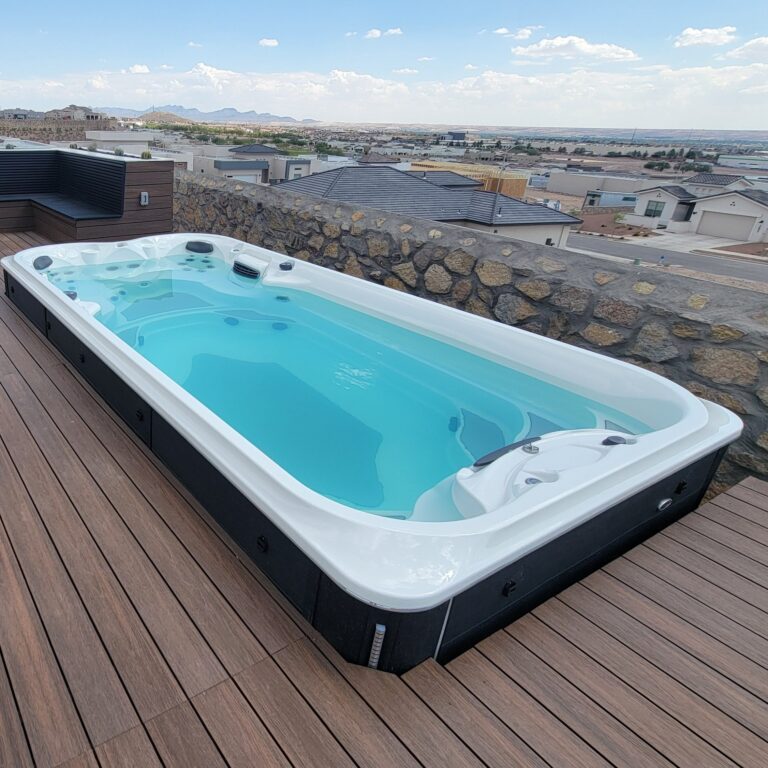
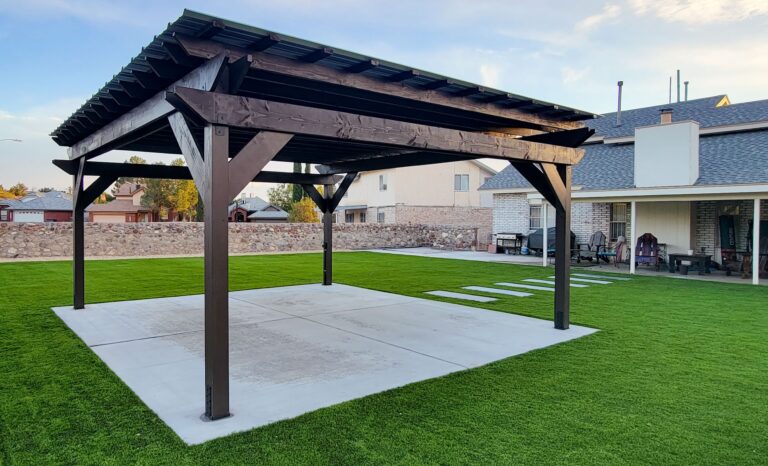


If you are planning pool deck renovation in El Paso, you can also review pool builders in El Paso, artificial turf and outdoor flooring, or request a free construction estimate. For additional background, see Pool Safely (U.S. CPSC).
Pool deck renovation: Practical Planning Notes
Pool deck renovation works best in El Paso when the plan starts with sun, wind, drainage, and how the space will be used week to week.
When you compare options for pool deck renovation, look at maintenance and repair access, not only the finished look.
A clear pool deck renovation plan also accounts for caliche, monsoon runoff, and summer surface temperatures.
Homeowners often move faster on pool deck renovation after they walk the property and decide which areas are essential in the first phase.
If a detail of pool deck renovation is still undecided, keep the layout flexible so later work can connect cleanly.
Discuss pool deck renovation with a contractor who already works in El Paso and surrounding areas, then request a free estimate for the scope you want.
Use pool deck renovation as the decision filter when two materials look similar but perform differently in desert heat.
The right pool deck renovation choice is the one that still looks and functions well after a long, dry summer and a windy spring.
Along with pool deck renovation, consider how pool deck materials fits the same layout, drainage, and shade plan.
Along with pool deck renovation, consider how concrete pool deck fits the same layout, drainage, and shade plan.
Keep notes on pool deck renovation as you walk the lot in the afternoon, when heat and glare are easiest to judge.
If two options for pool deck renovation seem close, choose the one that is easier to maintain after a dusty, windy week.
Another practical point on pool deck renovation is to confirm utilities, access, and finish transitions before work begins.