By the time May shows up, your yard is in a bit of a transition. Spring growth is in full swing, temperatures are climbing, and everything starts moving faster—plants, weeds, even maintenance needs. It’s that point in the year where things can either stay under control… or quietly start slipping.
That’s why having a plan matters. Not an overwhelming one, just something clear and realistic. Because staying ahead now is a lot easier than fixing problems later. That’s where landscape maintenance services come into play. At Anson General Contracting, the focus isn’t just on keeping things looking good for the moment—it’s about making sure your yard holds up over time.
Why May Is a Turning Point for Your Yard
There’s a small window in late spring where everything still feels manageable. Growth hasn’t gotten out of hand yet, and the stress from summer heat hasn’t fully kicked in.
But this is also when small issues start to show:
- Grass growing unevenly
- Plants needing more consistent care
- Weeds becoming more aggressive
- Soil drying out faster than expected
If you ignore these early signs, they tend to snowball. That’s why May is the perfect time to reset and build a solid routine.
Start with a Simple, Realistic Plan
You don’t need anything complicated. A straightforward seasonal landscaping checklist can make a bigger difference than you might expect.
Think of it as a quick way to stay on track, not something that adds stress.
A solid May checklist might include:
- Checking irrigation systems for efficiency
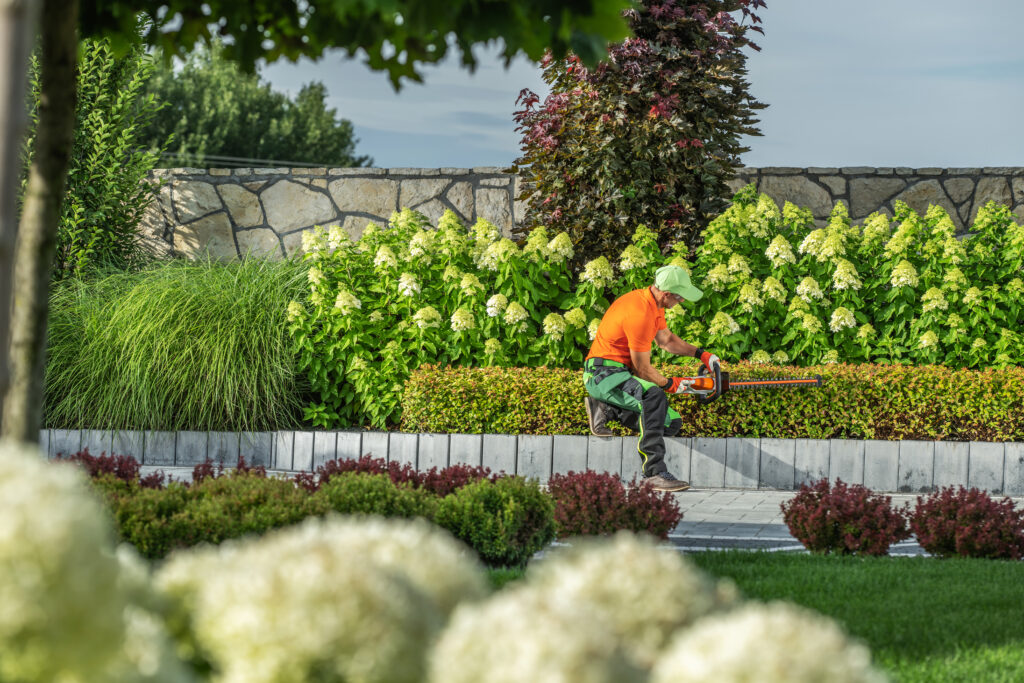
- Trimming overgrown plants before heat intensifies
- Refreshing mulch to retain moisture
- Inspecting for early signs of pests or disease
These are small actions, but together they keep your yard from drifting into neglect.
The Small Habits That Actually Keep Things in Shape
A lot of people assume yard maintenance means big, time-consuming projects. In reality, it’s usually the smaller, consistent habits that make the biggest impact.
Some practical landscape upkeep tips that go a long way:
- Water deeply instead of frequently to encourage stronger roots
- Keep edges clean to prevent overgrowth from spreading
- Remove weeds early before they take over
- Monitor plant health instead of waiting for visible damage
These are the kinds of things that don’t take much time but make everything look more put together.
Thinking Beyond Just This Month
It’s easy to focus on what needs attention right now, but your yard doesn’t work on a monthly schedule—it evolves throughout the year.
That’s where year round landscape care becomes important. The goal is to create a rhythm that adapts as the seasons change.
Looking ahead:
- Summer will bring heat stress and increased watering needs
- Fall is ideal for prepping soil and planting certain varieties
- Winter focuses more on protection and cleanup
When you think in seasons instead of moments, everything feels more manageable.
When It Makes Sense to Bring in Extra Help
There’s a point where handling everything yourself can start to feel like too much. Not because it’s impossible, but because it becomes harder to stay consistent.
That’s where professional landscape maintenance can make a difference. It’s not about handing everything off—it’s about having support when it matters most.
This kind of help is especially useful for:
- Larger properties that require more time
- Detailed work like pruning or soil management
- Seasonal transitions that need careful planning
- Keeping everything on schedule when life gets busy
It gives you a bit of breathing room while still keeping your yard in good shape.
Catching Problems Before They Spread
One of the biggest advantages of staying consistent with maintenance is how early you can spot issues. Most yard problems don’t show up overnight—they build slowly.
When you’re paying attention, you can:
- Notice changes in plant color or growth
- Identify drainage or soil issues early
- Address pests before they spread
- Adjust care routines before damage sets in
This is how you truly prevent landscape deterioration—not by reacting, but by staying a step ahead.
Don’t Overlook the Bigger Picture
It’s easy to focus on individual tasks—mowing, trimming, watering—but your yard works as a system. Everything is connected.
Good property landscape care means looking at how those pieces interact.
For example:
- Overwatering one area can affect nearby plants
- Poor soil in one section can limit overall growth
- Neglected edges can spread into maintained spaces
When you start seeing your yard as a whole instead of separate parts, your decisions become more effective.
Common Mistakes That Lead to Bigger Issues
Even with good intentions, a few habits can end up causing more harm than good over time.
Some things to watch out for:
- Watering too often without checking soil conditions
- Letting small tasks pile up until they become overwhelming
- Ignoring seasonal changes and sticking to the same routine
- Focusing only on appearance instead of overall health
Avoiding these doesn’t require perfection—just a bit of awareness.
What Consistent Maintenance Actually Feels Like
Once you find a rhythm that works, things start to feel easier. Your yard stops being something you constantly have to fix and becomes something you can actually enjoy.
You’ll probably notice:
- Less time spent catching up on neglected tasks
- More consistent plant growth and appearance
- Fewer unexpected problems
- A space that feels stable instead of unpredictable
It’s not about doing more—it’s about doing things at the right time.
Final Thoughts
Taking care of your yard doesn’t have to be complicated or overwhelming. Most of the time, it comes down to staying consistent, paying attention, and making small adjustments along the way.
When you approach it that way, everything starts to fall into place. Your outdoor space becomes easier to manage, more enjoyable to use, and better prepared for whatever the next season brings.