There’s a point where you step into your backyard and realize… it doesn’t feel as private as you’d like. Maybe it’s the nearby street, neighbors a little too close, or just the constant background noise that makes it harder to fully relax.
It’s not always about building fences or adding walls. Sometimes, the answer is a lot more natural—and honestly, more enjoyable to look at. That’s where landscape plants come in. When used the right way, they don’t just fill space—they create separation, soften noise, and give your yard a more peaceful feel.
At Anson General Contracting, this approach has become more common for homeowners who want privacy without making their space feel closed off or overly structured.
Why Privacy Feels Different Now
Backyards used to be simple—just open space to relax or gather. But as neighborhoods grow and homes sit closer together, that sense of openness can sometimes feel like exposure instead.
You might notice:
- Clear sightlines from neighboring windows
- Street noise carrying further than expected
- A lack of separation between spaces
- Difficulty fully relaxing outdoors
That’s why more people are exploring landscape privacy solutions that feel subtle but effective.
Plants as a Natural Barrier (That Doesn’t Feel Forced)
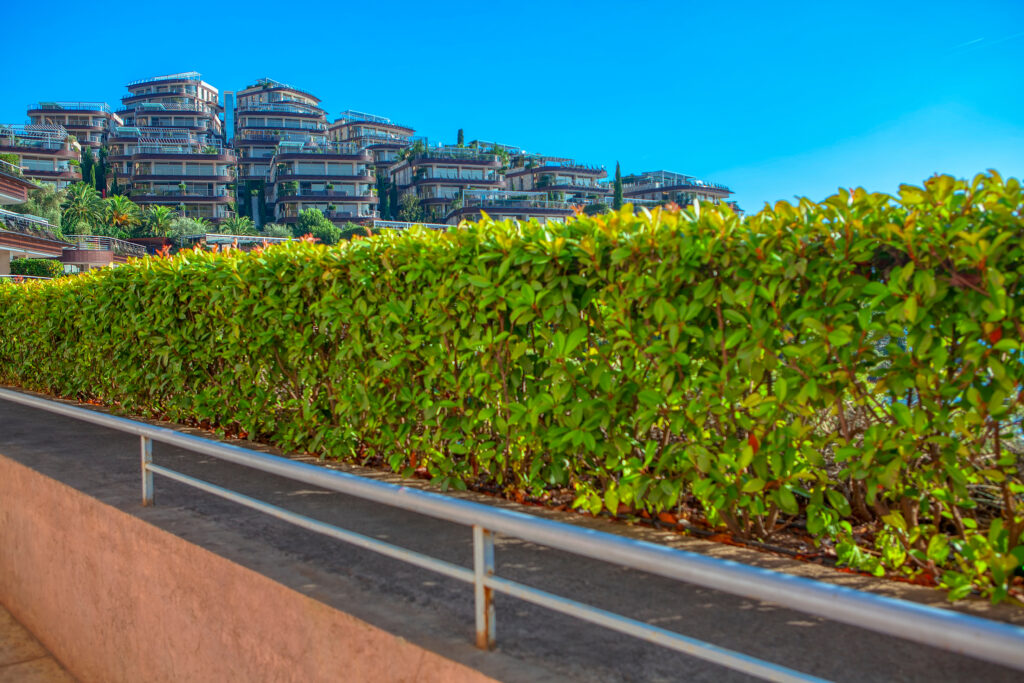
Instead of adding hard structures, plants give you a softer way to create boundaries. They don’t just block—they blend.
Well-placed greenery can:
- Break direct lines of sight
- Absorb and deflect sound
- Add depth and texture to your yard
- Create a more comfortable, enclosed feel
These kinds of privacy landscaping ideas work because they don’t feel like a barrier—they feel like part of the environment.
Reducing Noise Without Building Walls
One of the biggest benefits of using plants for privacy is how they help with sound. You’re not going to eliminate noise completely, but you can definitely soften it.
Strategically placed greenery acts as natural noise barriers, helping to:
- Diffuse sound waves instead of letting them travel freely
- Reduce echo in open spaces
- Create a quieter, more controlled environment
It’s a subtle difference, but one you’ll notice over time—especially if your yard is near a busy area.
Choosing the Right Plants Makes All the Difference
Not every plant will give you the same level of coverage or effectiveness. The goal is to choose varieties that grow in a way that supports both privacy and durability.
Look for plants that:
- Grow dense enough to block views
- Reach the right height for your space
- Handle your local climate without constant care
- Maintain structure throughout the year
Using landscape plants intentionally—rather than just decoratively—is what really transforms the space.
Designing a Layout That Feels Natural
It’s not just about what you plant—it’s about where and how you place it. A thoughtful backyard privacy design can make your space feel more enclosed without feeling tight or overcrowded.
Some simple ways to approach it:
- Layer plants at different heights for better coverage
- Use curved layouts instead of straight lines for a softer look
- Combine shrubs, trees, and grasses for texture
- Leave intentional openings so the space still feels open
When everything is placed with purpose, the yard feels balanced instead of blocked off.
Creating a Space That Feels Like Your Own
There’s something different about a yard that feels private. You don’t have to think about who’s watching or what’s happening nearby—you just exist in the space.
That’s the goal behind residential privacy landscaping. It’s less about isolation and more about comfort.
You start to notice:
- More willingness to spend time outside
- A quieter, more relaxed atmosphere
- A stronger sense of separation from the outside world
- A space that feels more personal
And that changes how you use your yard on a daily basis.
Practical Tips to Get Started
If you’re thinking about improving privacy with plants, you don’t need to do everything at once. Start simple and build from there.
A few practical steps:
- Identify the areas where privacy matters most
- Choose plants that fit both your space and maintenance level
- Start with key sections and expand gradually
- Pay attention to how the space feels as it fills in
Small adjustments can make a noticeable difference over time.
What to Avoid When Planning
Like any landscaping project, there are a few things that can make the process harder than it needs to be. Common mistakes include:
- Planting too close together without planning for growth
- Choosing plants that don’t adapt well to your climate
- Relying on a single type of plant for coverage
- Ignoring how the layout affects airflow and light
A little planning upfront helps avoid having to redo things later.
The Long-Term Benefit: Less Noise, More Comfort
As your plants grow and fill in, the benefits become more noticeable. The space starts to feel calmer, more contained, and easier to enjoy.
One of the biggest advantages is outdoor sound reduction. It’s not dramatic, but it’s consistent—and that’s what makes it valuable.
You end up with:
- A quieter environment without added structures
- A more natural look and feel
- Better separation from surrounding spaces
- A yard that feels more like a retreat
Final Thoughts
Creating privacy in your backyard doesn’t have to mean building walls or closing yourself off. Sometimes, the best solutions are the ones that feel the most natural.
With the right approach, your yard can become a space that feels calm, comfortable, and truly your own. And once that happens, you’ll find yourself using it in ways you didn’t expect—just because it finally feels right.