Transforming Outdoor Spaces One Home at a Time

How to Design a Family-Friendly Backyard With Zones for Play, Relaxation & Entertainment

December 22, 2025

A well-planned backyard design can turn an ordinary outdoor space into a welcoming extension of your home—one that supports family connection, creativity, rest, and unforgettable gatherings. As more families seek functional outdoor living, it has become essential to create intentional zones that allow children to play safely, adults to unwind peacefully, and guests to enjoy time together comfortably.

Designing a backyard with structure and flow doesn’t require a large property or complex remodeling; it simply requires a mindful approach that aligns with how your family lives. Thoughtful layout, durable materials, and strategic landscaping form the foundation of a space that evolves as your household grows.

Whether your goal is to reimagine your yard completely or enhance what you already have, these curated backyard ideas will help you craft an outdoor environment that feels cohesive, engaging, and full of possibilities.

The Power of Purposeful Zones

Families benefit tremendously from organized outdoor spaces. When each area has a clear purpose, the backyard becomes easier to navigate, safer to use, and far more enjoyable for daily life.

A family-focused layout typically includes:

  • A play area design dedicated to children
  • A relaxation zone for adults
  • Flexible gathering and dining sections
  • Open green spaces for shared activities
  • Thoughtful lighting for visibility and ambiance
  • Plant selections that complement safety and durability

Creating zones ensures that everyone—from toddlers to grandparents—feels comfortable and welcomed.

Designing Safe and Functional Play Areas

For families with children, the heart of the yard is often the play zone. A well-planned setup encourages creativity, movement, and discovery while prioritizing safe landscaping principles.

Key elements for building a child-friendly play area include:

• Soft ground materials

Rubber mulch, engineered wood fiber, and synthetic turf reduce impact during play and minimize maintenance.

• Age-appropriate structures

Swing sets, climbing nets, balance beams, and playhouses can be customized to your child’s abilities and interests.

• Natural exploration zones

Logs, stepping stones, and sand pits foster sensory play and imaginative learning.

• Visibility from seating areas

Parents should maintain clear sightlines to keep an eye on kids at all times.

• Shade and temperature control

Pergolas, shade sails, and tree coverage ensure the space stays comfortable during warm months.

These choices support a space where children can play vibrantly while staying protected.

Zones for Relaxation and Stress-Free Rest

While kids need room for movement, adults need areas to unwind. Designing relaxation corners with comfort and tranquility in mind adds balance to a multifunctional backyard.

Ideal relaxation zone features include:

• Cozy seating

Hammocks, chaise lounges, outdoor sectionals, and swing chairs encourage moments of peace.

• Privacy elements

Tall shrubs, slatted fencing, lattice screens, or vertical gardens provide separation and intimacy.

• Sensory landscaping

Water fountains, rustling grasses, aromatic herbs, and soft lighting create calming ambiance.

• Weather protection

Shade pergolas, patio umbrellas, and modern cabanas make the space usable year-round.

This is where you sip coffee, read a book, or enjoy quiet time while remaining connected to the beauty of the outdoors.

Designing Entertainment-Friendly Areas

Whether you host birthday parties, holidays, or weekend cookouts, specialized entertainment spaces are indispensable for family and social gatherings. These areas should feel open, welcoming, and easy to navigate.

Trending features include:

• Outdoor dining

Tables, benches, and bar seating create perfect zones for meals under the sky.

• Cooking stations

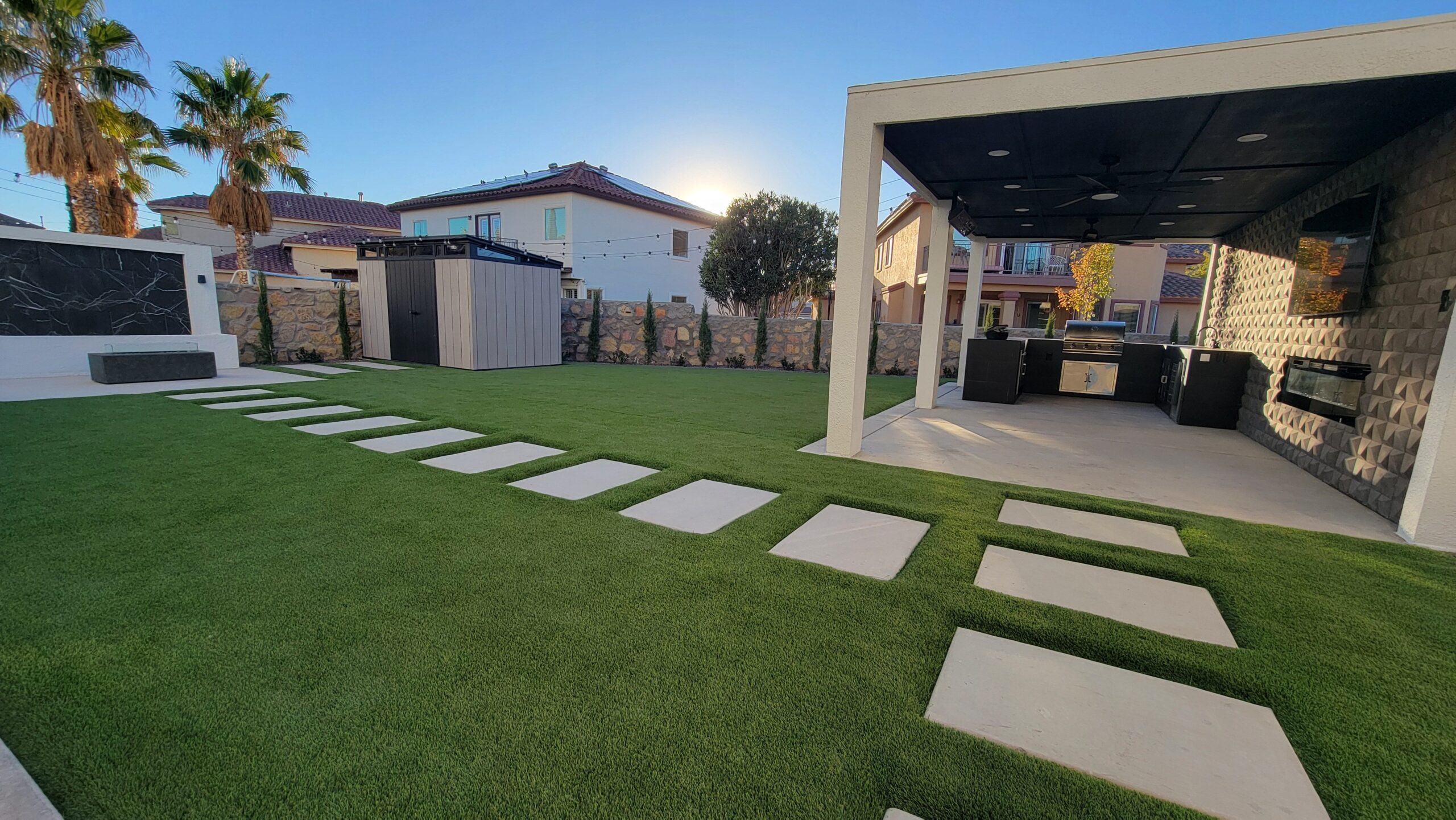
Grills, pizza ovens, and outdoor kitchens make hosting effortless and engaging.

• Social fire features

Fire pits, gas bowls, and linear fireplaces draw people together and extend outdoor usage into cooler evenings.

• Integrated lighting

Soft glows, pathway fixtures, and string lights enhance both mood and visibility for nighttime gatherings.

These elements turn your backyard into the ideal hosting environment for kids’ celebrations, family dinners, or relaxed evenings with friends.

Flexible Open Areas for Every Lifestyle

Not every space requires furniture or fixtures. Open zones are incredibly valuable in a family yard, offering multipurpose functionality that shifts as your family’s needs grow.

Open green spaces can support:

  • Playing catch or soccer
  • Setting up temporary pools
  • Laying out picnic blankets
  • Weekend camping experiences with kids
  • Yoga or morning workouts

An adaptable layout is a key characteristic of modern backyard trends. Flexibility ensures your yard evolves seamlessly with seasonal changes and lifestyle transitions.

Planting With Safety, Shade & Durability in Mind

Landscape selection plays an important role in the usability and safety of your yard. Plants should enhance beauty without creating hazards—especially in areas where children play or where guests gather.

Ideal features include:

• Non-toxic shrubs and flowers

Choose species free from sharp thorns or harmful berries.

• Shade-producing trees

Fast-growing, drought-tolerant trees offer comfort and energy efficiency.

• Privacy hedges

Evergreens or layered shrub walls help define zones and reduce noise.

• Low-maintenance ground cover

Creeping thyme, native grasses, and clover reduce upkeep while adding texture.

• Seasonal interest

Plants that bloom at different times of the year keep the backyard vibrant through every season.

Landscape design should support both beauty and functionality, aligning with how families naturally use their outdoor environments.

Designing With Flow and Accessibility

Flow describes how people move from one part of the yard to another. A well-connected backyard feels intuitive and enjoyable, even with multiple zones.

A strong layout includes:

  • Smooth pathways
  • Clearly defined sections
  • Open sightlines between zones
  • Lighting for evening accessibility
  • Durable surfaces suitable for both adults and kids

When every area feels connected, the entire backyard gains harmony and purpose.

Essential Tips for a Family-Friendly Layout

Creating a thoughtful, multi-zone backyard doesn’t require excessive renovation—just intentional planning.

Key strategies include:

  • Keep kid zones close to adult seating areas
  • Create natural boundaries using plants or hardscapes
  • Consider future needs when designing permanent structures
  • Blend soft materials with durable ones for balance
  • Prioritize visibility and safety throughout
  • Add storage for toys, cushions, and outdoor essentials
  • Maintain flexibility for seasonal adjustments

These principles help ensure your design remains functional for years to come.

Conclusion

A family-friendly backyard blends comfort, creativity, and connection through intentional zoning and thoughtful design. By giving each space a unique purpose—play, rest, or entertainment—you create an outdoor environment that welcomes every member of the household. With the right balance of structure, flexibility, and natural beauty, your yard becomes more than a landscape: it becomes an everyday retreat that supports joy, togetherness, and meaningful memories.

Tags :
Uncategorized
Share This :