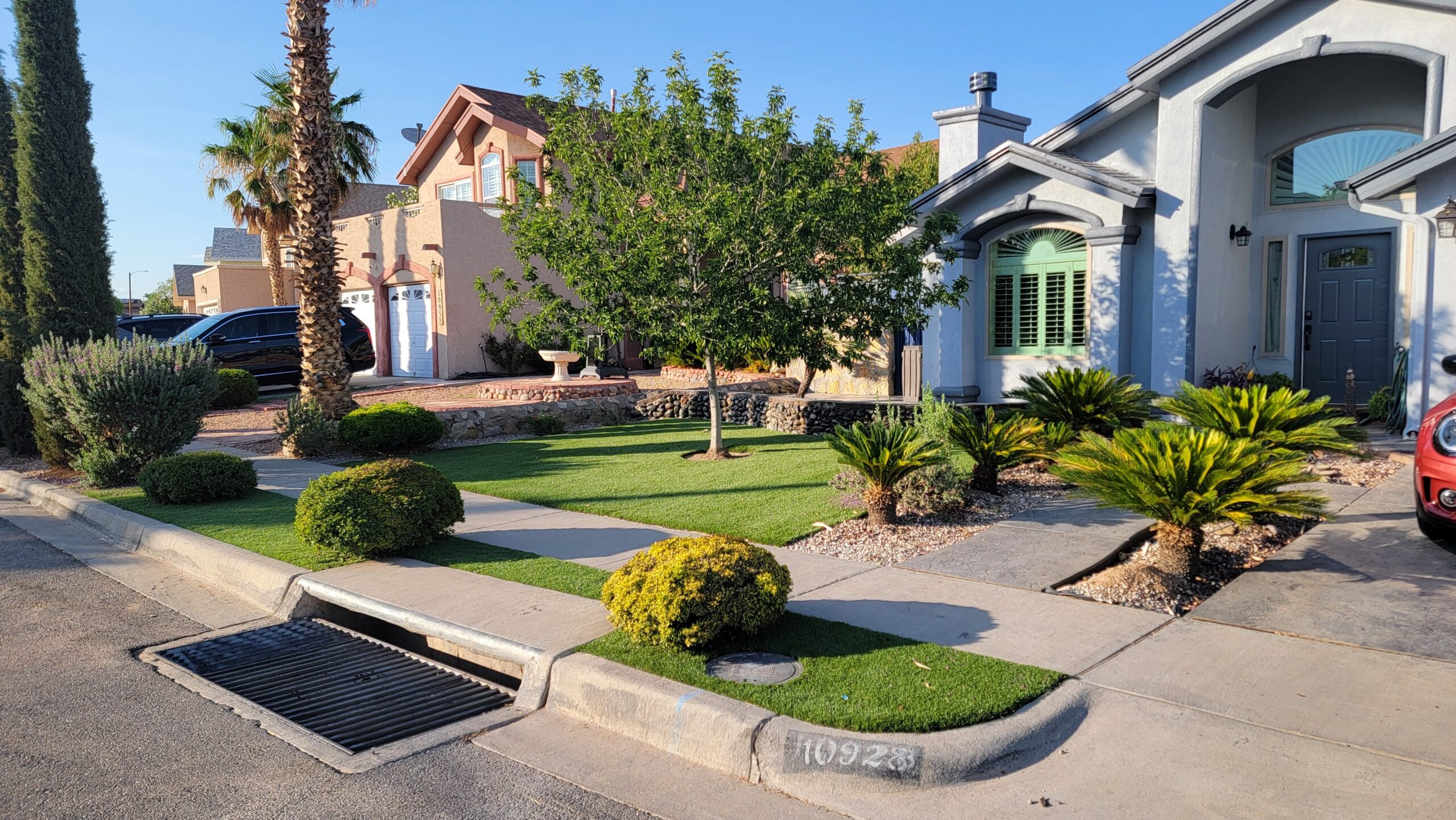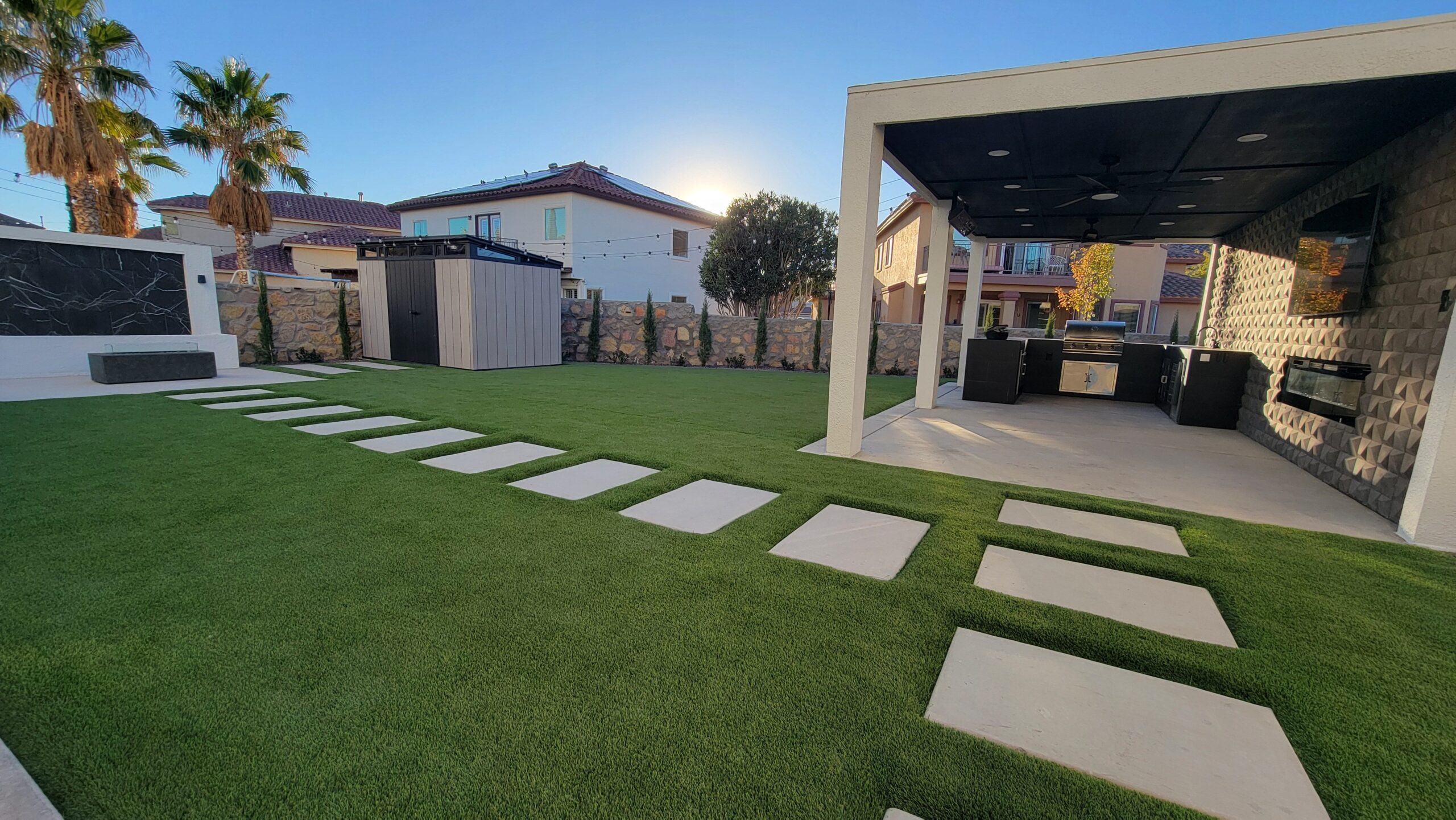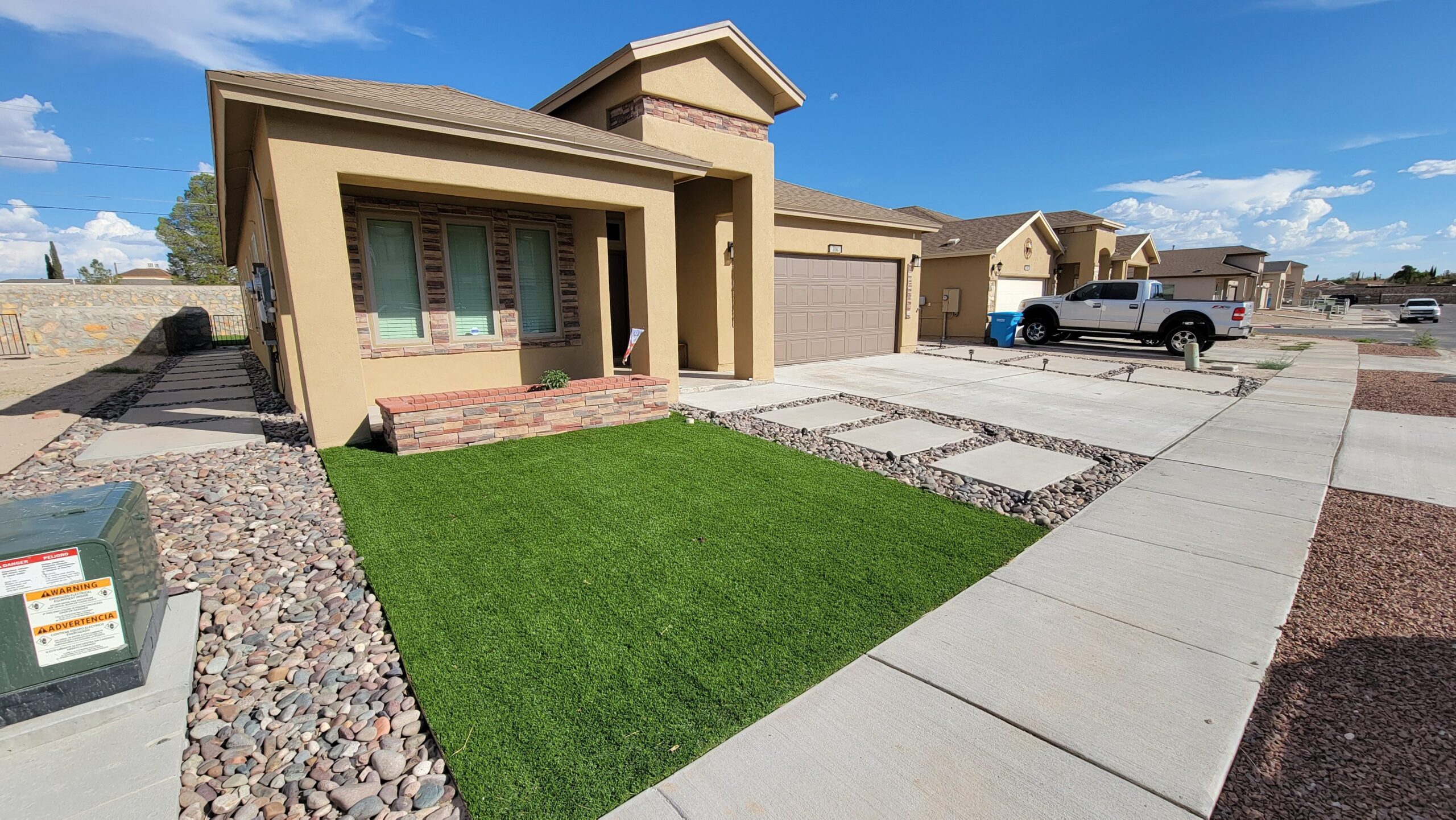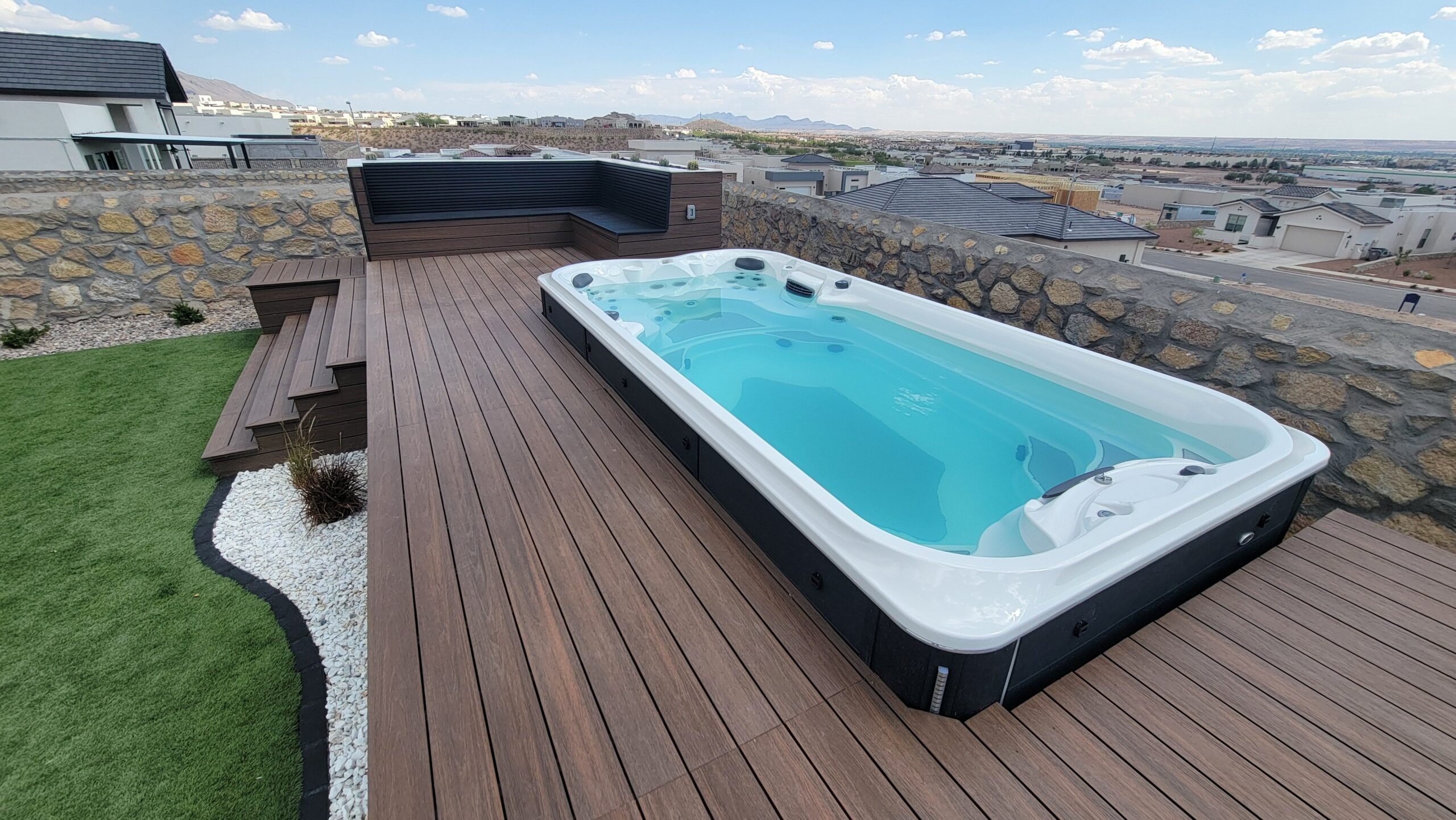
At Anson General Contracting, how thoughtful landscape design improves privacy and noise control is something we work on regularly with El Paso homeowners. If you’re considering landscape design for your property, we’d love to help — get in touch here or call 915-499-7378 for a free estimate. In the meantime, here’s what we’ve found matters most.
If you’re looking for expert landscape maintenance El Paso TX in West Texas, you’ve come to the right place. At Anson General Contracting — El Paso’s trusted outdoor construction company — we specialize in delivering exceptional landscape maintenance solutions that add lasting value to your home. El Paso’s unique climate, caliche soil, and monsoon seasons require a contractor who truly understands the local environment. Call us today at 915-499-7378 for a free, no-obligation estimate.
When design decisions are intentional, landscapes become powerful tools for comfort and protection. Why Privacy and Noise Control Matter in Modern Homes As neighborhoods become denser, homeowners often experience: Increased street and traffic noise Limited separation between properties Overlooked backyards Reduced sense of retreat outdoors Without intervention, these factors can significantly reduce how enjoyable an outdoor space feels. Landscape design offers solutions that work with nature to soften sound and shield views, creating environments that feel calm and personal. Landscape Privacy Solutions That Feel Natural Unlike solid fences or walls, landscape privacy solutions blend seamlessly into the environment. Whether you are looking to enhance curb appeal or create a functional outdoor environment, our thoughtful landscape expertise ensures outstanding results every time.
Why Professional Thoughtful landscape Matters
These solutions enhance both comfort and aesthetic appeal. Creative Privacy Landscaping Ideas for Any Yard Thoughtful privacy landscaping ideas adapt to different property sizes and layouts. Even small yards can benefit from intentional design that maximizes seclusion without overwhelming the space. Additionally, choosing the right team for your thoughtful landscape needs ensures long-term satisfaction and value. Our professionals use only the highest quality materials and proven techniques to deliver results that stand the test of time.
Our Thoughtful landscape Services at Anson General
Irregular textures Uneven surfaces scatter sound waves. Continuous coverage Reduces direct sound pathways. While landscaping won’t eliminate noise entirely, it can significantly reduce its intensity and harshness. Moreover, our thoughtful landscape team works closely with homeowners to understand their vision and bring it to life. From initial consultation to final walkthrough, we ensure every aspect of your thoughtful landscape project exceeds expectations.

Talk to Anson General About Your Project
We serve El Paso and the surrounding area — Westside, Upper Valley, East El Paso, Socorro, Canutillo, and Horizon City. Explore our related services, or read more from El Paso xeriscape resources. When you’re ready, schedule a free consultation and we’ll come to your property.
Common Questions
Do you serve my part of El Paso?
Yes — we work across all of El Paso, TX. Contact us to confirm availability for your neighborhood.
How do I get a free estimate for landscape design?
Call 915-499-7378, email projects@ansongeneral.com, or book online. We respond within one business day.
Is Anson General licensed and insured in Texas?
Yes — fully licensed, bonded, and insured in Texas on every project.