Transforming Outdoor Spaces One Home at a Time

Expanding Your Home Beyond the Walls: Designing Functional Outdoor Living Environments

March 16, 2026

If you’ve ever wished your home had just a little more room — a bigger dining area, a second living room, or a place to host friends without rearranging furniture — the solution might not be inside your house at all. It might be right outside your back door.

Well-designed outdoor living spaces are no longer a luxury feature. They’ve become one of the smartest ways homeowners expand usable square footage without adding interior construction. And when planned intentionally, they feel less like a patio and more like a natural extension of your home.

At ANSON GC Landscape and Designers, we see it all the time: the moment a backyard stops being “just a yard” and becomes part of everyday life.

Let’s talk about how to make that shift.

Your Backyard Is Untapped Square Footage

Most homes already have the space — it’s just underutilized.

Traditional backyard areas often consist of turf, a small concrete slab, and maybe a grill pushed to one side. Functional? Technically. Inspiring? Not really.

The key difference between a yard and a lifestyle-enhancing environment is intentional zoning.

Think about how you use your interior:

  • You have a space for cooking.
  • A space for dining.
  • A space for relaxing.
  • A space for gathering.

Your exterior should follow the same logic.

When designed strategically, your outdoor space mirrors your indoor layout — just with fresh air and natural light.

Design With Purpose, Not Just Aesthetics

It’s easy to focus on how something looks. But effective outdoor design starts with how it functions.

Before choosing materials or furniture, ask:

  • Do you want to host large gatherings?
  • Is this primarily for family dinners?
  • Do you need shade during peak sun hours?
  • Will this be used year-round?
  • Do you prefer low maintenance or architectural drama?

Function defines layout. Layout defines comfort. Comfort defines whether the space gets used.

And that’s the whole point.

Creating Outdoor Rooms (Yes, Rooms)

One of the biggest trends in modern landscaping is the concept of outdoor rooms.

Instead of one open patio, divide your space into purposeful zones:

  • A covered lounge area
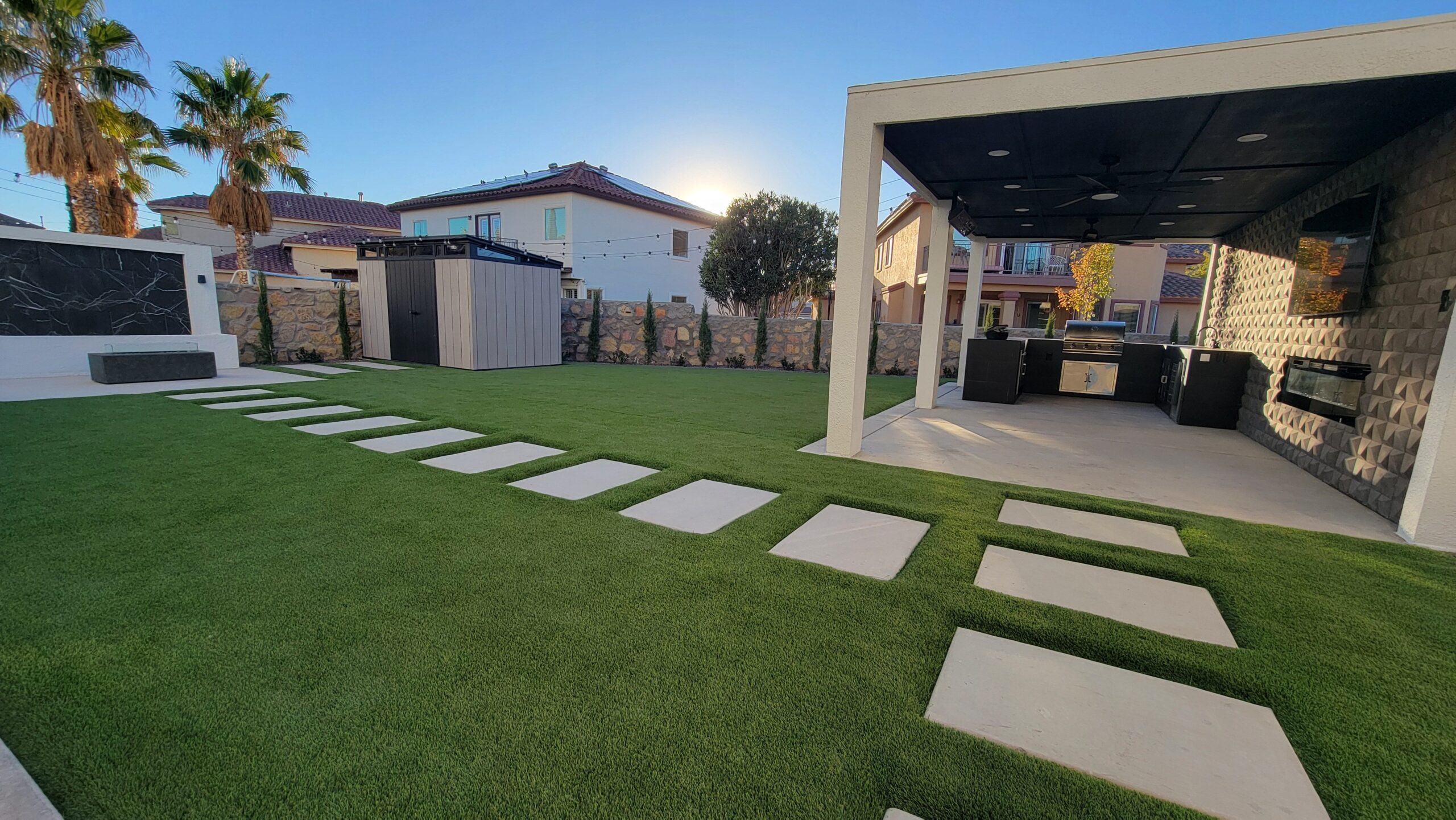
  • A dining section with overhead structure
  • A fire feature gathering zone
  • A cooking station
  • A quiet retreat corner

These layered outdoor entertainment spaces create flow and movement, much like an interior floor plan.

When transitions are intentional — through elevation changes, material variation, or architectural framing — the space feels expansive without needing to be oversized.

Residential Landscape Upgrades That Actually Add Value

Not all exterior improvements are created equal.

Strategic residential landscape upgrades can significantly improve both daily enjoyment and property value.

High-impact enhancements often include:

  • Permanent shade structures
  • Built-in seating
  • Integrated lighting systems
  • Weather-resistant flooring materials
  • Defined hardscape pathways
  • Coordinated planting design

These elements increase durability and reduce the “temporary” feeling that movable furniture alone can create.

It’s the difference between staging a space and building one.

Backyard Remodeling Ideas That Go Beyond the Basics

When homeowners think about exterior updates, they often imagine replacing pavers or adding a pergola.

But strong backyard remodeling ideas go deeper than surface improvements.

Consider:

  • Extending rooflines to create covered patios
  • Integrating indoor-outdoor sliding wall systems
  • Installing outdoor kitchens with built-in storage
  • Adding linear fire features for visual structure
  • Incorporating textured privacy screens
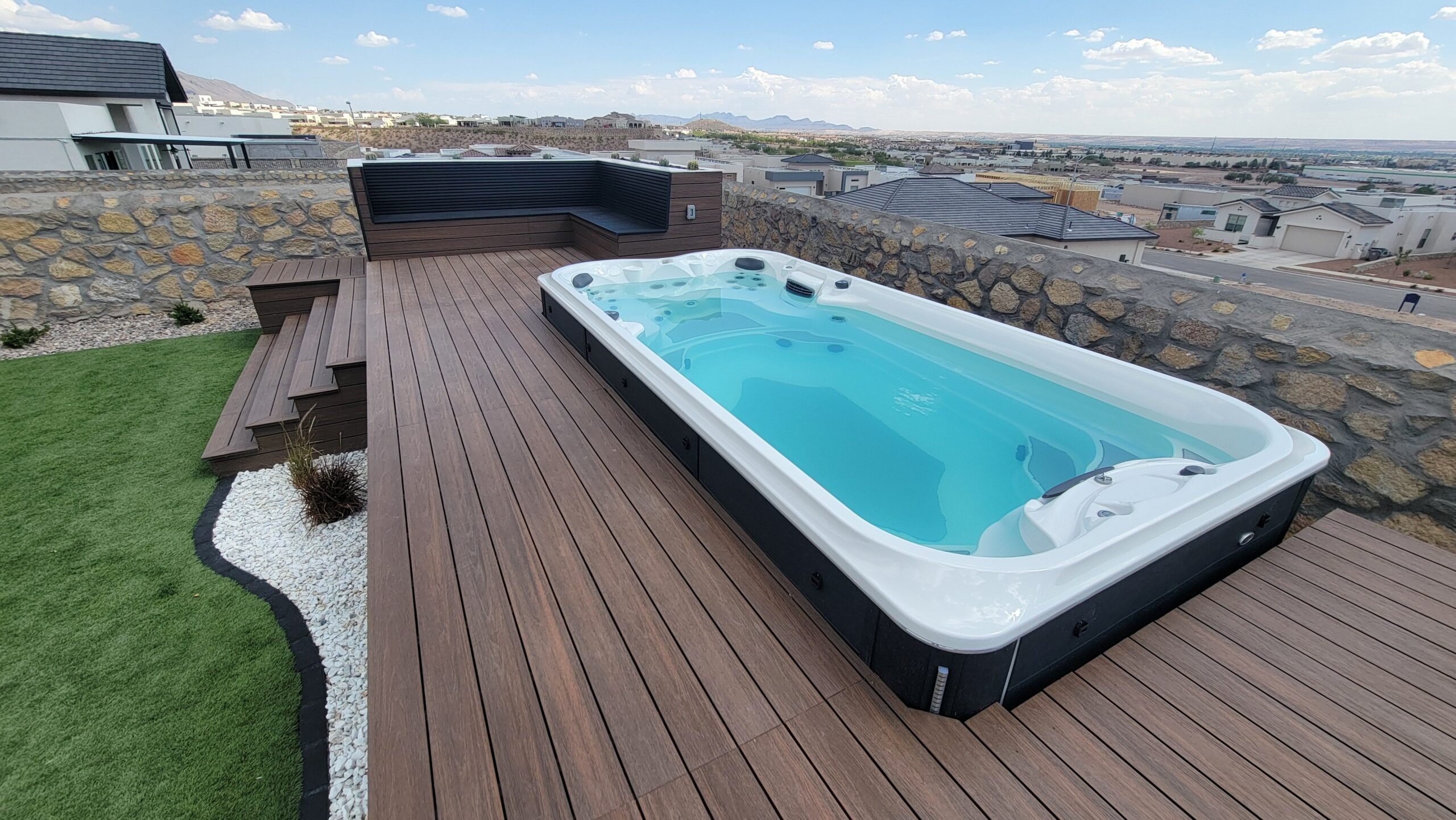
  • Designing tiered patios for dimension

Remodeling doesn’t always mean expanding square footage. Sometimes it means reimagining what’s already there.

And small structural changes can dramatically improve flow.

The Power of Custom Planning

No two families use their homes the same way. That’s why cookie-cutter patios rarely maximize potential.

True transformation comes from custom outdoor planning that aligns with your habits and lifestyle.

Do you work from home and want an exterior workspace?
Do your kids need durable open space for play?
Do you host large holiday gatherings?

Customization considers:

  • Daily traffic patterns
  • Furniture scale
  • Shade orientation
  • Utility access
  • Privacy concerns
  • Seasonal climate shifts

When planning reflects real behavior, the result feels intuitive.

Shade, Structure, and Comfort

In Texas, comfort is everything.

Without thoughtful shade design, even the most beautiful patio goes unused during peak heat.

Structural solutions might include:

  • Pergolas with adjustable louvers
  • Solid patio covers
  • Integrated ceiling fans
  • Strategic tree placement
  • Architectural overhangs

Comfort isn’t an afterthought — it’s foundational.

When temperature control is addressed early in the design phase, usage increases dramatically.

Lighting Changes Everything

A space shouldn’t disappear at sunset.

Layered lighting transforms exterior environments from daytime patios into evening retreats.

Consider combining:

  • Ambient pathway lighting
  • Accent uplighting on structural elements
  • Task lighting for cooking areas
  • Warm-toned overhead fixtures
  • Fire features for natural glow

Lighting defines mood.
Mood defines experience.

And experience defines value.

Material Selection Matters

Outdoor materials must balance beauty with durability.

Popular choices often include:

  • Porcelain pavers for modern finishes
  • Natural stone for texture
  • Stamped concrete for versatility
  • Composite decking for low maintenance
  • Steel or aluminum framing for longevity

The goal is cohesion — tying materials to the architecture of your home so the expansion feels intentional rather than added on.

Designing for All Seasons

A truly successful outdoor environment isn’t limited to spring and fall.

With the right elements, your space can function year-round.

Additions like:

  • Outdoor heaters
  • Covered cooking areas
  • Wind screens
  • Drainage planning
  • All-weather seating materials

These details make the difference between occasional use and daily integration.

Why Professional Planning Makes a Difference

DIY updates can improve appearance.
Professional planning improves performance.

When layout, utilities, drainage, and structure are considered together, the final result is cohesive.

At ANSON GC Landscape and Designers, we approach projects holistically. Architecture, landscaping, and lifestyle aren’t separate elements — they’re interconnected.

And when those pieces align, your backyard stops feeling like an accessory and starts functioning like an extension of your home.

  • How to expand living space with outdoor environments
  • Designing functional backyard zones
  • Benefits of structured outdoor rooms
  • Increasing property value with landscape upgrades
  • Modern backyard remodeling strategies
  • Planning custom exterior layouts
  • Shade solutions for hot climates
  • Lighting design for outdoor living
  • Multi-season outdoor functionality
  • Architectural approaches to exterior design

Conclusion

Expanding your home doesn’t always require new interior walls. Sometimes the most impactful square footage is already waiting outside.

With thoughtful planning, structural intention, and lifestyle-focused design, your exterior space can become a seamless extension of how you live, gather, and relax. The key is moving beyond surface upgrades and creating an environment that feels purposeful, comfortable, and built to last.

Because when your outdoor space truly works, it doesn’t feel separate from your home. It feels like it was always meant to be there.

Tags :
Uncategorized
Share This :