What to know before adding a pergola? A pergola is one of the most versatile additions you can make to your outdoor living space. It provides partial shade, defines gathering areas, enhances your backyard’s appearance, and creates a comfortable place to relax or entertain. Whether it’s installed over a patio, outdoor kitchen, pool deck, or garden, a custom pergola can significantly improve both the functionality and value of your property.
Before starting your project, however, there are several important factors to consider. Careful planning ensures your pergola complements your home, meets your needs, and provides years of enjoyment.
Define the Purpose of Your Pergola
The first step is deciding how you plan to use the space beneath the pergola.
Common uses include:
- Outdoor dining areas
- Lounge spaces
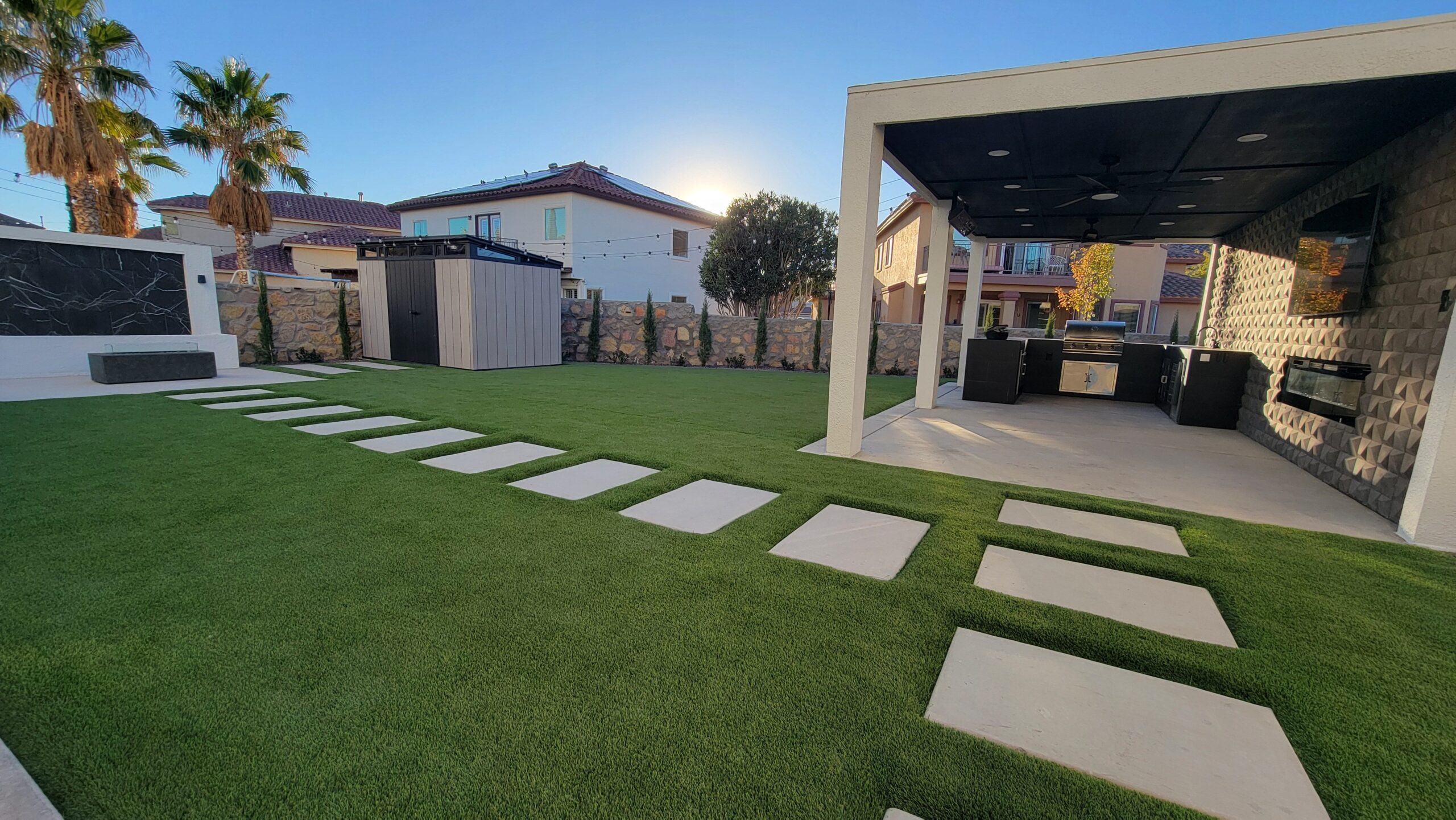
- Outdoor kitchens
- Poolside seating
- Fire pit gathering areas
- Garden walkways
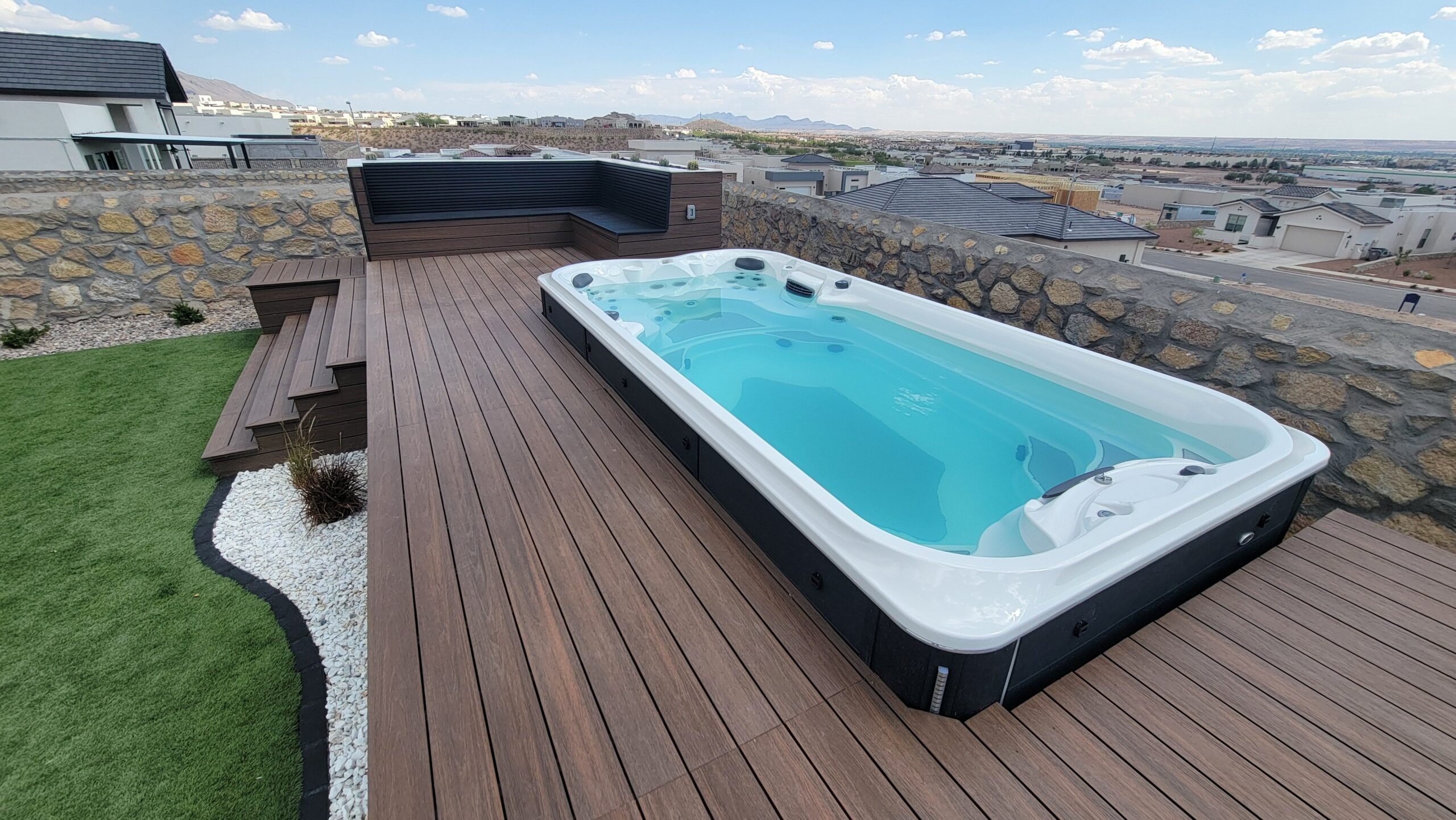
- Hot tub enclosures
Knowing the primary purpose helps determine the ideal size, location, and design of your pergola.
Choose the Right Location
Placement is one of the most important decisions during the planning process.
Consider factors such as:
- Sun exposure throughout the day
- Views from inside your home
- Privacy
- Accessibility from the house
- Existing landscaping
- Wind direction
- Available space
A well-positioned pergola naturally connects different areas of your backyard while maximizing comfort.
Select the Best Material
Pergolas are available in several materials, each offering different advantages.
Wood Pergolas
Wood creates a warm, natural appearance that complements traditional and rustic landscapes.
Benefits include:
- Classic aesthetic
- Highly customizable
- Can be stained or painted
- Blends well with gardens
Keep in mind that wood typically requires periodic sealing, staining, or painting to maintain its appearance.
Aluminum Pergolas
Aluminum pergolas have become increasingly popular because they combine durability with minimal maintenance.
Advantages include:
- Rust-resistant
- Lightweight
- Modern appearance
- Long lifespan
- Low maintenance
Powder-coated aluminum also performs well in areas with strong sun exposure.
Vinyl Pergolas
Vinyl offers another low-maintenance option.
Benefits include:
- Easy to clean
- Moisture resistant
- No painting required
- Durable finish
While vinyl offers fewer customization options than wood, it provides excellent long-term durability.
Consider How Much Shade You Need
Traditional pergolas provide filtered sunlight rather than complete shade.
If greater sun protection is important, consider adding:
- Retractable canopies
- Shade fabric
- Adjustable louvers
- Climbing plants
- Polycarbonate roof panels
These additions allow you to customize the amount of shade throughout the day while maintaining an open, inviting atmosphere.
Match the Pergola to Your Home’s Style
A pergola should enhance your home’s architecture instead of competing with it.
Consider matching:
- Roof lines
- Exterior colors
- Stone or brick accents
- Patio materials
- Landscaping
- Outdoor furniture
Creating a cohesive design helps your pergola feel like a natural extension of your home rather than a separate structure.
Plan for Additional Features
Many homeowners choose to include extra features during construction instead of adding them later.
Popular upgrades include:
- Ceiling fans
- Outdoor lighting
- Built-in speakers
- Electrical outlets
- Hanging heaters
- Privacy screens
- Outdoor curtains
- Decorative beams
Planning these features in advance often reduces installation costs and produces a cleaner finished appearance.
Think About Long-Term Maintenance
Maintenance requirements vary depending on the materials you choose.
Wood pergolas require regular upkeep to protect against moisture, insects, and sun exposure.
Aluminum and vinyl options generally require only occasional cleaning, making them ideal for homeowners seeking a low-maintenance outdoor living solution.
Choosing the right material depends on your desired appearance and willingness to perform routine maintenance.
Check Local Building Requirements
Depending on the size and location of your pergola, permits or local building regulations may apply.
Working with an experienced contractor helps ensure your project complies with:
- Local building codes
- Property setbacks
- Structural requirements
- Utility clearances
- Homeowners association guidelines, when applicable
Handling these details before construction begins can prevent unnecessary delays and costly modifications.
Integrate the Pergola Into Your Backyard Design
A pergola delivers the greatest impact when it’s incorporated into a complete outdoor living plan.
It can serve as the centerpiece of features such as:
- Decorative concrete patios
- Outdoor kitchens
- Fire pits
- Swimming pools
- Walkways
- Landscape lighting
- Custom seating areas
A professionally designed layout creates a balanced outdoor environment where every feature works together.
Hire a Professional for the Best Results
Although prefabricated pergola kits are available, custom construction offers greater flexibility in design, materials, and functionality.
An experienced general contractor can help you:
- Select the ideal location
- Choose the best materials
- Design a structure that complements your home
- Ensure proper installation
- Integrate the pergola with the rest of your outdoor renovation
Professional craftsmanship ensures your pergola remains safe, durable, and visually appealing for years to come.
Final Thoughts
Adding a pergola is an excellent way to enhance your backyard while creating a comfortable, stylish outdoor gathering space. By carefully considering location, materials, shade options, and overall design, you can build a structure that improves both your outdoor lifestyle and your home’s value.
At Anson General Contracting, we design and build custom pergolas that seamlessly integrate with patios, outdoor kitchens, landscaping, and complete backyard renovations. Whether you’re looking for a modern aluminum pergola or a timeless wood structure, our team delivers high-quality craftsmanship tailored to your vision and outdoor living goals.